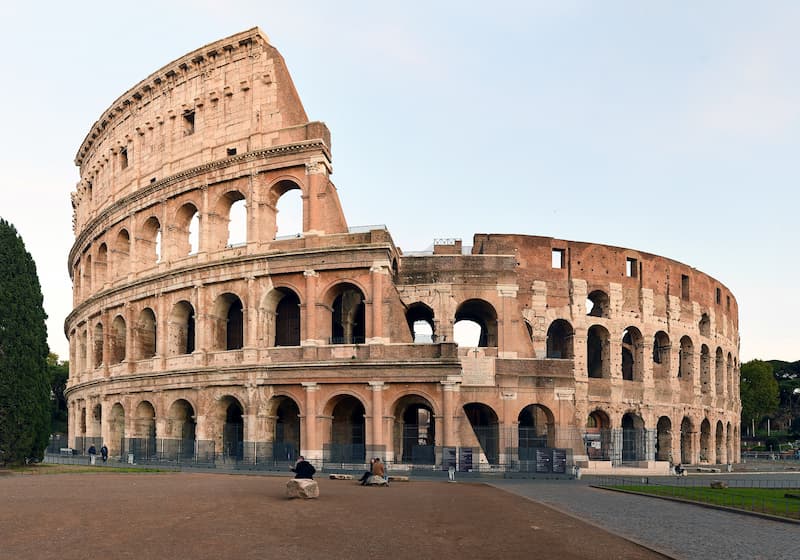
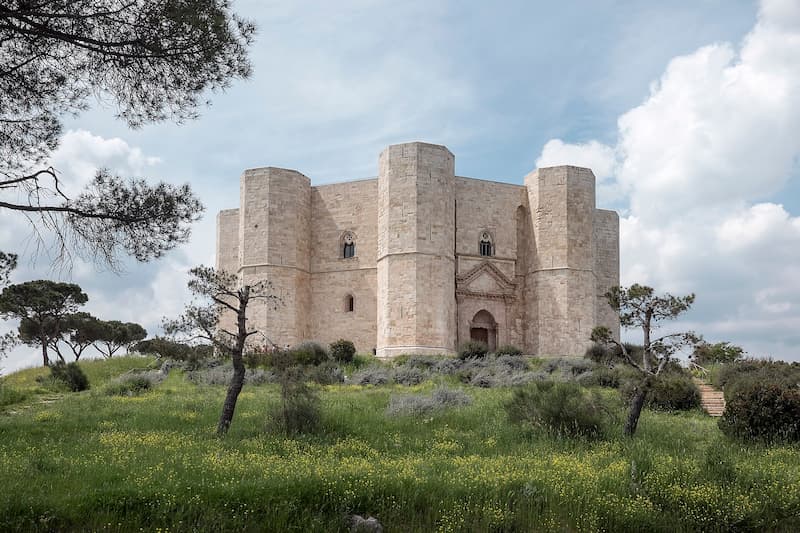
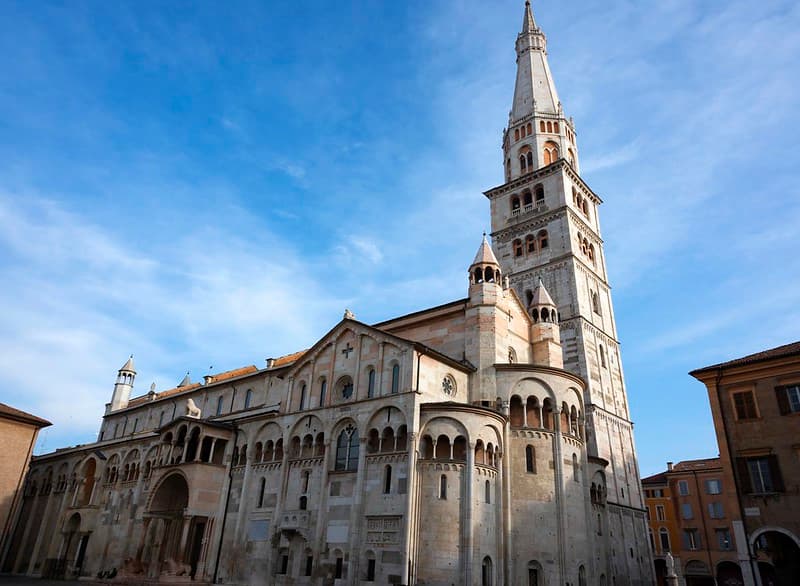
The following are the heritage sites, grouped into recommended gateway cities. This may help in planning on the logistics (travel and accommodation) of your journey.
BARI (BRI)
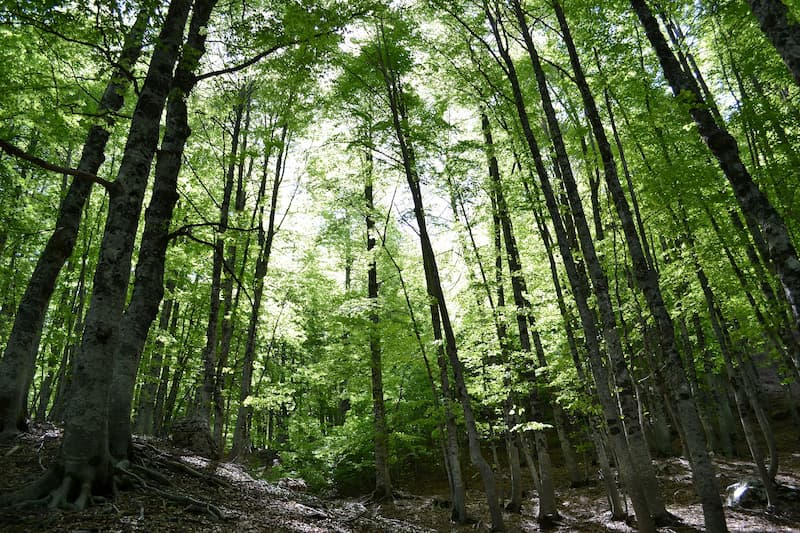
Bari is a vibrant port city where the smell of salty Adriatic air mixes with the aroma of freshly made “orecchiette” pasta. It remains the gateway to the sun-drenched region of Puglia. Visitors are drawn to Bari Vecchia (the Old Town), where “pasta nonnas” still hand-roll dough in the streets, and the majestic Basilica di San Nicola. With its bustling promenade, elegant 19th-century boulevards, and proximity to the primeval Foresta Umbra, Bari is a city that perfectly captures the gritty, generous, and joyful heart of Southern Italy.
BOLOGNA (BLQ)
Known by three telling nicknames—La Dotta (the Learned), La Grassa (the Fat), and La Rossa (the Red)—Bologna is Italy’s ultimate sensory capital. Home to the world’s oldest university, its medieval center is defined by over 60 kilometers of UNESCO-listed porticoes and the leaning Two Towers. While the Asinelli Tower remains a skyline icon, visitors should note its climb is currently paused for preservation. From the unfinished majesty of the Basilica of San Petronio to the hidden canals of Via Piella, the city’s terracotta streets lead inevitably to the Quadrilatero market for authentic tagliatelle al ragù.
BOLZANO/BOZEN (BZO)
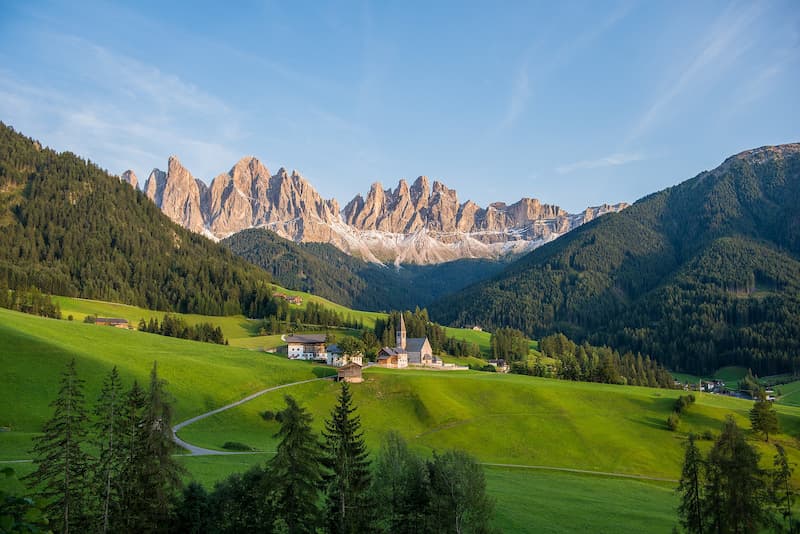
Bolzano (Bozen), the alpine capital of South Tyrol, is a captivating cultural crossroads where Mediterranean flair meets Central European tradition. Nestled in a glacier-carved valley at the doorstep of the Dolomites, the city is famous for its bilingual heritage and the world-renowned South Tyrol Museum of Archaeology, home to Ötzi the Iceman. Visitors stroll through medieval arcades in the Portici, enjoy local Lagrein wine in the vibrant Piazza Walther, and take cable cars to high-altitude plateaus. With its mix of Gothic cathedrals, Tyrolean stube, and sun-drenched vineyards, Bolzano offers a unique, sophisticated Italian-Austrian experience.
CATANIA (CTA)
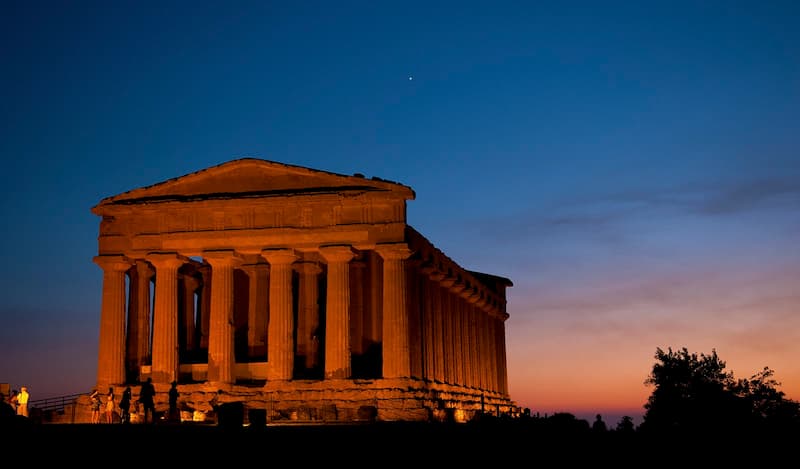
Catania, Sicily’s energetic “Black City,” sits at the foot of Mount Etna and is built largely from the volcano’s dark basalt. Its heart is the Piazza del Duomo, a UNESCO World Heritage site featuring the iconic Elephant Fountain and the Baroque Cathedral of Saint Agatha. The city is a sensory delight, from the chaotic “La Pescheria” fish market to the aromatic streets serving Pasta alla Norma and pistachio arancini. Visitors can explore ancient Roman theaters hidden beneath street level or hike the lunar landscapes of Etna. Catania’s resilient spirit and bold flavors make it an essential Sicilian gateway.
GENOA (GOA)
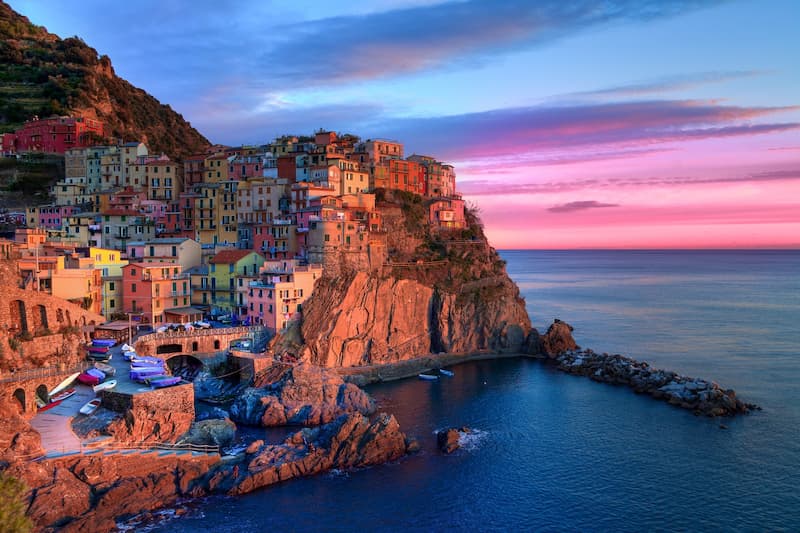
Genoa, the “La Superba,” is Italy’s grandest maritime gateway, nestled between the Ligurian Sea and the Apennine Mountains. Its soul resides in Europe’s largest medieval old town, a dizzying labyrinth of narrow caruggi (alleys) that open into magnificent hidden plazas. The city is a UNESCO World Heritage site for its Palazzi dei Rolli, a series of Renaissance and Baroque palaces once used to host visiting dignitaries. From the futuristic Porto Antico designed by Renzo Piano to the iconic San Lorenzo Cathedral, Genoa blends industrial grit with aristocratic elegance. As the birthplace of pesto and focaccia, it remains a culinary powerhouse.
MILAN (LIN/MXP)
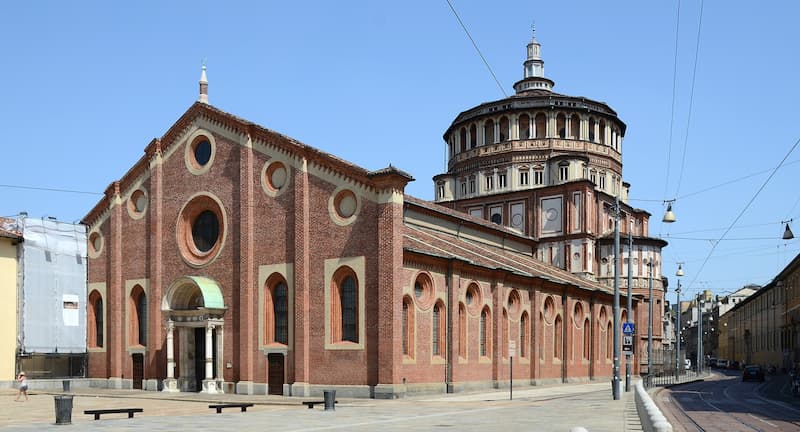
Italy’s global capital of fashion and finance, Milan is a sleek, sophisticated metropolis where centuries of art meet cutting-edge innovation. The city took the world stage as the primary host of the Winter Olympics, with its historic arenas and modern skyline buzzing with international energy. At its heart stands the magnificent Duomo di Milano, a Gothic masterpiece of white marble spires. Nearby, the glass-domed Galleria Vittorio Emanuele II offers a luxury stroll toward the legendary La Scala Opera House. From Leonardo da Vinci’s The Last Supper to the vibrant canals of the Navigli district, Milan is a relentless celebration of style, history, and the perfect aperitivo.
NAPLES (NAP)
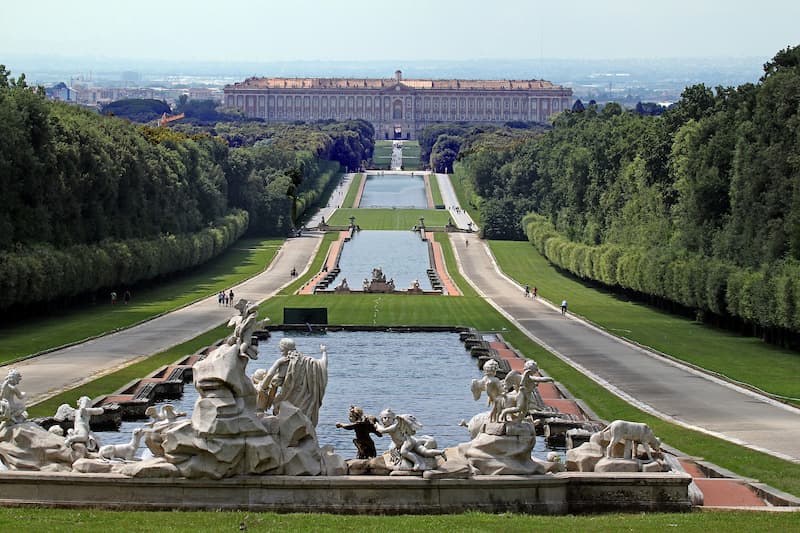
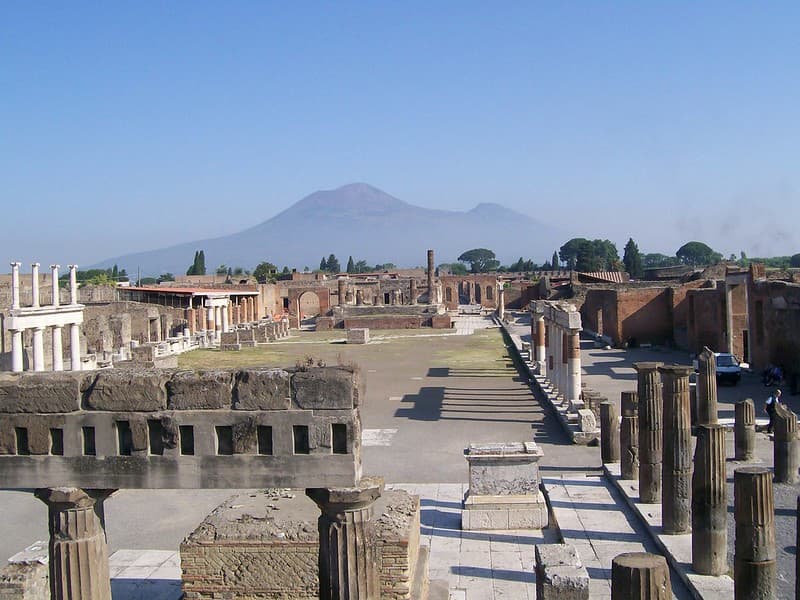
Naples, Italy, is a high-octane sensory explosion where ancient history meets gritty modern life under the watchful eye of Mount Vesuvius. As the birthplace of pizza, the city’s UNESCO-listed historic center is a labyrinth of narrow streets like Spaccanapoli, filled with Baroque churches and artisan workshops. Visitors can marvel at the “Veiled Christ” in the Sansevero Chapel or explore the vast Naples National Archaeological Museum. Beyond its chaotic charm, Naples serves as the ultimate springboard for the ruins of Pompeii, the idyllic island of Capri, and the breathtaking Amalfi Coast.
PALERMO (PMO)
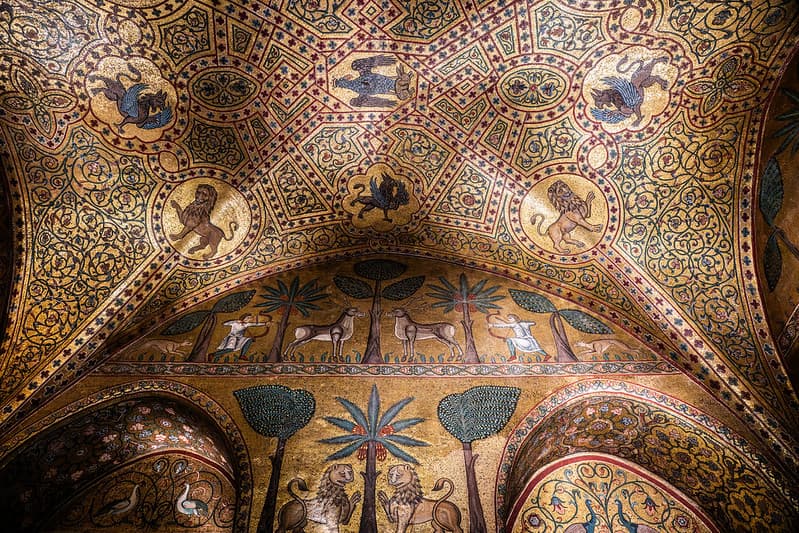
Palermo, the chaotic and captivating capital of Sicily, is a Mediterranean crossroads where Arab, Norman, and Baroque influences collide. As a UNESCO World Heritage site, it is famed for its “Arab-Norman” architecture, best seen in the glittering mosaics of the Palatine Chapel and the imposing Palermo Cathedral. The city’s soul resides in its gritty street markets—Ballarò, Capo, and Vucciria—where vendors hawk legendary street foods like arancine, panelle, and the daring pani ca meusa. From the grandeur of the Teatro Massimo to the bustling intersections of Quattro Canti, Palermo offers an intoxicating, multisensory journey through layers of ancient history.
PERUGIA (PEG)
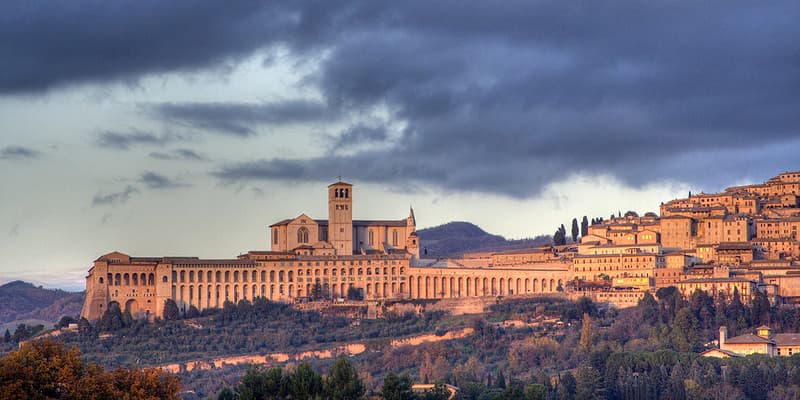
Perugia, Umbria’s hilltop capital, is a labyrinth of medieval secrets and chocolate-scented air. At its heart lies the stunning Piazza IV Novembre, home to the 13th-century Fontana Maggiore and Gothic Palazzo dei Priori. Travelers can explore the haunting Rocca Paolina underground city or visit the Casa del Cioccolato Perugina. The city vibrates during the International Journalism Festival (April) and Umbria Jazz (July). Accessible via San Francesco d’Assisi Airport, Perugia balances historic gravitas with a youthful, student-fueled energy, offering a sophisticated, authentic alternative to Italy’s more crowded tourist hubs.
PISA (PSA)
Pisa, a radiant jewel of Tuscany, is far more than the home of its world-famous Leaning Tower. Situated along the River Arno, the city boasts the Piazza dei Miracoli, a UNESCO World Heritage site featuring the stunning Romanesque Cathedral and Italy’s largest Baptistery. Beyond the marble wonders, Pisa’s historic heart reveals vibrant student life, the medieval Piazza dei Cavalieri, and the serene botanical gardens. Visitors can stroll the high-altitude city walls or enjoy local cecina (chickpea flatbread) in hidden plazas. Blending ancient maritime prestige with youthful energy, Pisa remains an essential, soulful Italian destination.
ROME (CIA/FCO)
Rome, the “Eternal City,” remains a living museum where 2,800 years of history meet a vibrant modern pulse. The city is more accessible than ever, benefiting from the new Metro C extension and “Archeo-stations” like Colosseo. Travelers can marvel at the Pantheon’s new Basilica of Neptune experience or toss a coin into the Trevi Fountain (noting the new nominal €2 access fee for the basin). From the sprawling ruins of the Roman Forum to the bohemian lanes of Trastevere, Rome rewards explorers with legendary Carbonara and world-class gelato, capturing the timeless essence of la dolce vita.
VENICE (VCE)
Venice, the “Floating City,” is an extraordinary UNESCO World Heritage site composed of 118 islands linked by over 400 bridges in the Venetian Lagoon. Renowned for its Gothic and Renaissance architecture, the city’s heart is the magnificent Piazza San Marco, home to the golden mosaics of St. Mark’s Basilica and the Doge’s Palace. Visitors navigate the labyrinthine “calli” (alleyways) or glide along the Grand Canal by gondola and “vaporetto” (water bus). From the glass-blowing traditions of Murano to the colorful houses of Burano, Venice offers an unparalleled romantic atmosphere steeped in centuries of maritime history.
VERONA (VRN)
Step into the romantic heart of the Veneto, where Verona enchants as a UNESCO-listed masterpiece of Roman and medieval architecture. Its centerpiece is the Verona Arena, a first-century Roman amphitheater that still hosts the world-renowned summer Opera Festival. Beyond the pink-marble pavements of Piazza Bra, visitors follow the legend of Shakespeare to Juliet’s House or climb the Torre dei Lamberti for sweeping views of the Adige River. From the vibrant markets of Piazza delle Erbe to the fortified Castelvecchio, Verona seamlessly blends its ancient heritage with a sophisticated modern lifestyle and world-class Valpolicella wines.
Featured Image
Colosseum, Rome (FeaturedPics, Wikipedia/CC BY-SA 4.0).
In The News
-
800th Anniversary of Saint Francis: Celebrations in Italy 2026
-
Exploring AlUla and Pompeii: A Tourism Collaboration
-
Casual Luxury: Casa Cook in Madonna di Campiglio
-
Journey of the Olympic Torch: From Cefalù to Agrigento
-
Top Attractions in Vicenza: What to See and Do
-
Explore Caserta: Royal Palace and Delicious Pizza Await
-
The Influence of Islam on Palermo’s Architecture
-
20 Must-Visit Castles in Europe and Asia
-
Exploring Modena: Home of Ferrari and Lamborghini
-
Milan: From Financial Hub to Cultural Hotspot
-
Pratovecchio’s Hidden Gem: Mariae Nivis Monastery Reopened
-
UNESCO’s Secret: The Harbor Town That Inspired Lord Byron
Advertisement





Comment:
 All About World Heritage Sites (...and more)

Leave a comment