The following are the heritage sites, grouped into recommended gateway cities. This may help in planning on the logistics (travel and accommodation) of your journey.
SPLIT (SPU)
Split, a sun-drenched coastal gem on the Adriatic, is uniquely built around the massive, living ruins of the UNESCO-listed Diocletian’s Palace. This ancient Roman fortress now houses a labyrinth of limestone alleys filled with bustling cafes, shops, and the soaring Cathedral of Saint Domnius. Beyond the palace walls, the palm-lined Riva promenade offers the perfect spot for people-watching, while the verdant Marjan hill provides panoramic views and pine-scented trails. Known for its vibrant “pomalo” lifestyle and as a major ferry port for the Dalmatian islands, Split seamlessly fuses imperial history with a modern, Mediterranean energy.


ZADAR (ZAD)
Zadar is an ancient Roman city that has mastered the art of modern coastal living. It is famous for the Sea Organ, an architectural masterpiece that plays music using the waves of the Adriatic, and the Sun Salutation, a solar-powered light display. The city’s marble-paved streets are lined with Venetian gates and Roman ruins, while its vibrant café culture keeps the “Old Town” energetic. As the gateway to the Velebit mountains and the Kornati islands, Zadar offers a perfect mix of urban history and raw natural adventure.

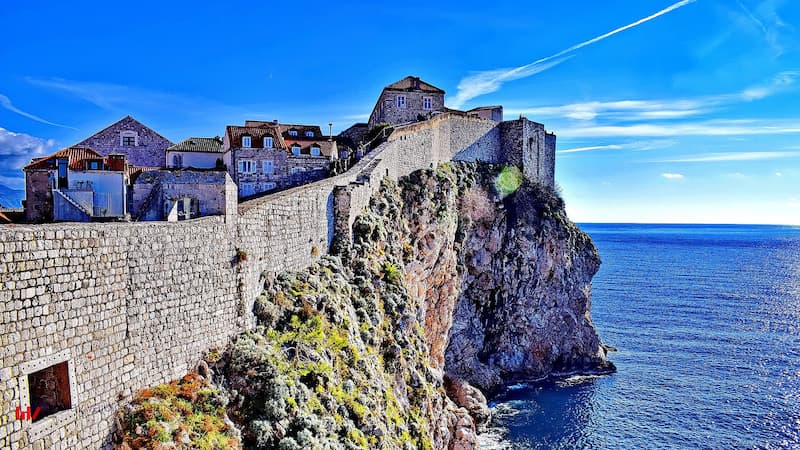
Featured Image
Dubrovnik city wall (Miroslav Vajdic, Wikimedia/CC BY-SA 4.0).

News Feed
-
Sailing the Adriatic: A Celestyal Journey Experience
-
Explore Croatia: The Ultimate Adriatic Motorhome Journey
-
Explore Šibenik: A Complete Travel Guide
-
Ultimate Guide to Visiting Plitvice Lakes National Park
-
John Malkovich’s Croatian Roots Uncovered
-
Explore Dubrovnik’s Best Boutique Hotels in 2026
-
Inside the 8-Hour Rule: A European City’s Solution to Overtourism
-
10 Best Nature Getaways for Eco-Conscious Travelers
-
Sustainable Wooden Pathways Over Natural Waterways
-
Trogir’s Coastal Tourism Boom for Heritage Seekers
Advertisement


Comments:
Leave a Reply