The following are the heritage sites, grouped into recommended gateway cities. This may help in planning on the logistics (travel and accommodation) of your journey.
AGRA (AGR)
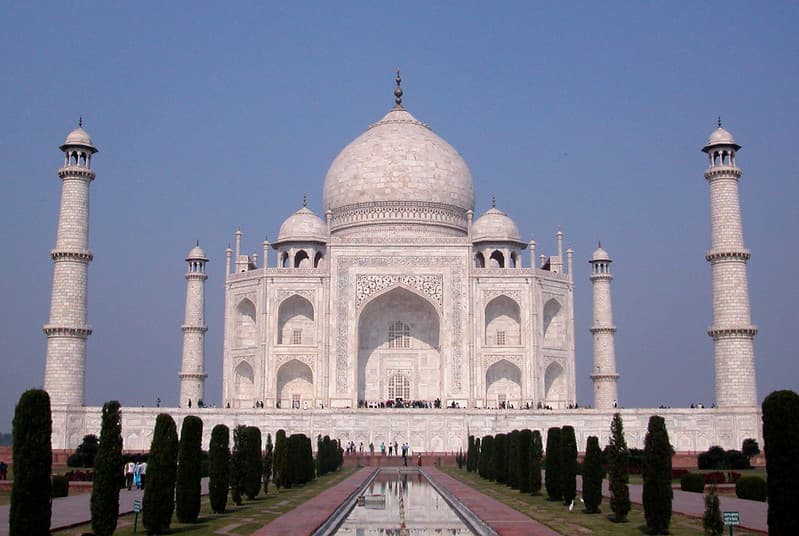
Agra, the storied capital of the Mughal Empire, remains India’s premier heritage destination. Dominating the skyline is the Taj Mahal, a white-marble masterpiece of eternal love, while the nearby Agra Fort showcases the military and residential grandeur of past emperors. Beyond these icons, visitors can explore the intricate “Baby Taj” (Itimad-ud-Daulah) or enjoy sunset views from Mehtab Bagh. The city pulses with life in its bustling bazaars, famous for petha (ash gourd candy) and fine marble inlay work. Rich in history and artistry, Agra offers a timeless journey into the heart of India’s royal legacy.


AHMEDABAD (AMD)
Ahmedabad, a vibrant metropolis along Gujarat’s Sabarmati River, is renowned as India’s first UNESCO World Heritage City. Founded in 1411, its historic walled center boasts a labyrinth of traditional pols (gated residential neighborhoods), intricately carved wooden havelis, and medieval monuments. Visitors can admire the delicate stone lattice of the Sidi Saiyyed Mosque, explore the grand 15th-century Jama Masjid, and sample street food at bustling Manek Chowk. The city also served as a focal point for India’s freedom movement at Mahatma Gandhi’s historic Sabarmati Ashram. Blending dynamic commerce with centuries of craftsmanship, Ahmedabad delivers a rich, sensory Indian heritage experience.

AURANGABAD (IXU)
Aurangabad, the “City of Gates,” is a historic crossroads in Maharashtra that serves as the administrative and cultural hub of the Marathwada region. The city remains famous for Bibi Ka Maqbara, the striking “Taj of the Deccan” built by Emperor Aurangzeb’s son. Beyond its UNESCO-listed neighbors, visitors explore the impregnable Daulatabad Fort and the ancient water-mill, Panchakki. The city is a center for exquisite Himroo silk weaving and is renowned for its signature Naan Qalia (mutton curry). Balancing industrial growth with Mughal-era charm, Aurangabad is an essential stop for any Indian heritage enthusiast.


BAGDOGRA (IXB)
Bagdogra, a tranquil town in the Darjeeling district of West Bengal, is primarily celebrated as the “Gateway to the Eastern Himalayas.” Situated at the foothills, it serves as the essential transit hub for travelers journeying to Darjeeling, Sikkim, and Bhutan. Beyond its strategic Bagdogra International Airport, the town is enveloped by lush, emerald tea gardens and the serene River Teesta, where adventure seekers enjoy white-water rafting. Cultural landmarks like the Salugara Monastery, with its 100-foot stupa, and the North Bengal Science Centre offer peaceful retreats, making Bagdogra a charming blend of transit convenience and Himalayan beauty.

BELAGAVI/BELGAUM (IXG)
Belagavi, historically known as Belgaum, is a captivating city nestled high in the Western Ghats of Karnataka, India. Positioned near the borders of Maharashtra and Goa, the city showcases a rich cultural blend reflected in its language, customs, and diverse food scene. Travelers can explore the formidable 12th-century Belgaum Fort, which uniquely houses ancient Jain temples like the Kamal Basti alongside medieval mosques. Beyond the historic center, visitors can marvel at the scenic Gokak Falls, visit the sacred Kapileshwara Temple, and sample Kunda, a famous local milk sweet, making it a delightful mix of history and nature.

BHOPAL (BHO)
Bhopal, the “City of Lakes,” is a captivating blend of historical grandeur and modern infrastructure in central India. It serves as a vital cultural gateway, famously divided into the atmospheric Old City—with its bustling bazaars and the monumental Taj-ul-Masajid—and the green, planned New City. Visitors can explore the UNESCO-listed Bhimbetka rock shelters nearby, stroll along the scenic Upper Lake, or visit the Bharat Bhavan multi-arts center. With its rich Nawabi heritage, world-class museums like the Indira Gandhi Rashtriya Manav Sangrahalaya, and diverse culinary scene, Bhopal offers a deeply authentic Indian experience.

BHUJ (BHJ)
Bhuj, the historic heart of the Kutch district in Gujarat, is a captivating desert city renowned for its resilient spirit and exquisite handicrafts. The city is home to the stunning 18th-century Prag Mahal and the mirror-clad Aina Mahal, which showcase a unique blend of Indian and European architecture. Visitors often explore the ancient Bhujia Fort for panoramic views or wander through the vibrant local bazaars famous for intricate bandhani textiles and silverwork. As the gateway to the Rann of Kutch, Bhuj offers an authentic immersion into nomadic traditions, ancient stepwells, and the stark, salt-crusted beauty of the nearby Great White Desert.

CHANDIGARH (IXC)
Chandigarh, India’s “City Beautiful,” is a pioneering masterpiece of urban planning and modernist architecture at the Shivalik foothills. Designed by the legendary Le Corbusier, it serves as the dual capital of Punjab and Haryana. The city is renowned for its orderly grid of “Sectors,” lush green boulevards, and the iconic Capitol Complex, a UNESCO World Heritage site featuring the Open Hand Monument. Visitors can wander through the whimsical Rock Garden, explore Asia’s largest Rose Garden, or enjoy a serene sunset at Sukhna Lake. Blending Punjabi vibrancy with tranquil design, Chandigarh is a sophisticated gateway to the Himalayas.
CHENNAI (MAA)
On the Bay of Bengal, Chennai is a soulful metropolis where deep-rooted Tamil traditions thrive alongside a booming modern economy. Known as the “Cultural Capital of South India,” the city is famous for the towering, polychromatic gopurams of the Kapaleeshwarar Temple and the rhythmic grace of Bharatanatyam dance. Visitors can stroll the sands of Marina Beach, one of the world’s longest urban shorelines, or explore colonial history at Fort St. George. From the aromatic steam of authentic filter coffee to the prestigious December Music Season, Chennai offers a sensory journey through India’s spiritual and artistic heart.

COIMBATORE (CJB)
Coimbatore, affectionately known as “Kovai” and the “Manchester of South India,” is a bustling industrial and cultural hub nestled at the foot of the Western Ghats. This vibrant city is renowned for its flourishing textile industry, prestigious educational institutions, and ancient Dravidian architecture, most notably the 12th-century Marudhamalai Murugan Temple. Beyond its urban energy, Coimbatore serves as a lush gateway to the Nilgiri Hills and spiritual landmarks like the Isha Yoga Centre, home to the towering Adiyogi statue. With its famous “sweet” Siruvani water and signature Kongunadu cuisine, the city offers a warm, hospitable blend of tradition and modernity.
DELHI (DEL)
Delhi, India’s sprawling capital, is a sensory-rich palimpsest where 2,500 years of history collide with 21st-century momentum. The city remains anchored by the Mughal grandeur of the Red Fort and Humayun’s Tomb, while the chaotic lanes of Old Delhi offer a masterclass in street food and heritage commerce. In contrast, the leafy boulevards of New Delhi showcase colonial architecture like India Gate alongside spiritual landmarks like the Lotus Temple and the high-tech Akshardham. Navigated via its world-class Metro, Delhi is an intense, vibrant gateway that captures the soulful complexity of the Indian experience.

GOA (GOI/GOX)
A vibrant coastal state on the Arabian Sea, Goa is a unique fusion of Indian spirituality and 450 years of Portuguese colonial legacy. While famous for the golden sands of Baga and Palolem, its cultural heart lies in Old Goa, a UNESCO World Heritage site. Here, the baroque Basilica of Bom Jesus—housing the relics of St. Francis Xavier—and the massive Sé Cathedral stand as monuments to its “Rome of the East” era. Beyond the beaches, travelers explore the colorful Latin Quarter of Fontainhas, lush spice plantations, and the majestic Dudhsagar Falls, all defining India’s smallest yet most spirited state.

HUBBALLI (HBX)
Hubballi (or Hubli), known as the “flowering creeper,” is a bustling commercial and educational hub in North Karnataka, often serving as the primary transit point for travelers heading to Hampi. The city’s landscape is dotted with spiritual and historic landmarks, including the 900-year-old Chandramouleshwara Temple and the serene Siddharoodha Math. Visitors can enjoy sunset views over Unkal Lake or take in panoramic vistas from Nrupatunga Hill. As a modern gateway, Hubballi offers a seamless travel experience with its well-connected international airport and a range of business and luxury accommodations, such as the Fortune Park and The President Hotel.

JAIPUR (JAI)
Jaipur, the vibrant capital of Rajasthan, is globally renowned as the “Pink City” due to the distinctive terracotta-pink hue of its historic buildings. Founded in 1727, this UNESCO World Heritage site is a masterpiece of Vedic architecture and urban planning. Travelers flock to marvel at the intricate, honeycomb facade of the Hawa Mahal (Palace of Winds), the sprawling City Palace, and the towering hilltop Amber Fort. Renowned for its bustling bazaars brimming with exquisite gemstones, block-printed textiles, and traditional handicrafts, Jaipur offers an unforgettable, sensory-rich plunge into India’s imperial royal heritage.

JODHPUR (JDH)
Jodhpur, the striking second-largest city in Rajasthan, is universally celebrated as the “Blue City” due to the sea of indigo-painted houses sprawling across its old walled quarter. Founded in 1459 by Rao Jodha, this former capital of the Marwar kingdom sits dramatically at the edge of the Thar Desert. The city’s skyline is dominated by the colossal, medieval Mehrangarh Fort, which rises perpendicularly from a cliff. Visitors can also explore the milky-white marble Jaswant Thada memorial, wander the bustling spice stalls surrounding the historic Clock Tower, and admire the massive 20th-century Umaid Bhawan Palace.
KHAJURAHO (HJR)
Khajuraho, a serene village in Madhya Pradesh, is a living museum of India’s medieval artistic peak. Renowned for its UNESCO-listed Khajuraho Group of Monuments, the site features Hindu and Jain temples built by the Chandella dynasty. These Nagara-style masterpieces are adorned with intricate carvings depicting daily life, celestial beings, and world-famous erotic art. Annual Khajuraho Dance Festival showcases classical performances against the illuminated Western Group spires. With its modern airport and nearby Panna Tiger Reserve, Khajuraho remains an essential cultural pilgrimage, blending spiritual heritage with the timeless pulse of ancient Indian craftsmanship.

MUMBAI (BOM)
A high-octane coastal megalopolis, Mumbai is the financial and cinematic powerhouse of India. Formerly known as Bombay, the city is defined by its dramatic contrast between colonial-era grandeur and modern ambition. Visitors can marvel at three UNESCO World Heritage Sites: the Victorian Gothic Chhatrapati Shivaji Maharaj Terminus, the Art Deco ensembles of the Oval Maidan, and the ancient rock-cut Elephanta Caves. From the iconic Gateway of India to the sunset-lit curve of Marine Drive, the city pulses with energy. Food lovers flock here for legendary street snacks like Vada Pav or the bustling seafood stalls of the Colaba district.


PATNA (PAT)
Patna, the vibrant capital of Bihar, is a profound historical center nestled along the banks of the Ganges River. With roots tracing back to ancient Pataliputra, this bustling metropolis serves as a gateway to Buddhist pilgrimage sites, including Nalanda and Bodh Gaya. Visitors arriving at Jay Prakash Narayan International Airport can explore the city’s rich heritage at the Patna Museum, marvel at the imposing Golghar granary, and enjoy panoramic river views. Patna’s dynamic culture and burgeoning culinary scene offer a raw, authentic glimpse into India’s historical heartland.

THANJAVUR (TJV)
Thanjavur, a vibrant cultural capital in Tamil Nadu, India, serves as the ancient cradle of Chola civilization and South Indian art. The city’s crown jewel is the magnificent, 11th-century Brihadisvara Temple, a UNESCO World Heritage site renowned for its towering granite vimana tower and intricate stone carvings. Beyond this architectural marvel, the sprawling Thanjavur Maratha Palace complex reveals an impressive collection of royal artifacts, ancient palm-leaf manuscripts, and exquisite Chola bronzes. Celebrated globally for its rich heritage, Thanjavur continues to enchant travelers as the birthplace of classical Bharatanatyam dance, Carnatic music, and iconic gold-leaf Thanjavur paintings.

TIRUCHCHIRAPPALLI (TRZ)
Tiruchirappalli, a historic metropolis in Tamil Nadu, India, is a deeply spiritual city steeped in ancient Chola and Nayak heritage. Dominated by the towering, 83-meter-high Rockfort Temple complex that rises abruptly from the plains, the city commands sweeping views of the sacred Kaveri River. Just across the water lies Srirangam, home to the colossal Sri Ranganathaswamy Temple, the world’s largest functioning Hindu temple. Beyond its monumental religious architecture, Trichy thrives as a bustling educational and industrial hub, enchanting travelers with its rich traditions of classical Carnatic music, exquisite stone carvings, and vibrant bazaars.
UDAIPUR (UDR)
Udaipur, the enchanting “City of Lakes” in Rajasthan, is globally celebrated for its breathtaking romanticism and stunning Mewar architecture. Nestled amidst the green Aravalli Hills, the city centers around a network of shimmering lakes, most notably Lake Pichola. Visitors are captivated by the sprawling City Palace complex, which showcases intricate mirror-work and panoramic vistas, alongside the famous Lake Palace floating gracefully on the water. With its narrow cobblestone streets, ornate Havelis, beautiful lakeside ghats, and vibrant traditional arts scene, Udaipur offers a serene, poetic journey into the historic heart of India’s royal grandeur.
VADODARA (BDQ)
Known as the cultural capital of Gujarat, Vadodara (formerly Baroda) is a city of palatial elegance and academic prestige. Its crown jewel is the Laxmi Vilas Palace, a sprawling Indo-Saracenic masterpiece four times the size of Buckingham Palace and the private residence of the royal Gaekwad family. Visitors can explore the 113-acre Sayaji Baug gardens, which house the Baroda Museum and Picture Gallery, or visit the geodesic EME Temple—a unique aluminium-clad structure run by the Indian Army. Nearby, the UNESCO-listed Champaner-Pavagadh Archaeological Park offers a dramatic landscape of ancient Hindu and Islamic ruins.

VIDYANAGAR (VDY)
Vidyanagar, a meticulously planned township in the Ballari district of Karnataka, is a unique oasis where industrial innovation meets green living. Developed by the JSW Group alongside its steel plant, this eco-friendly city serves as a modern launchpad for travelers exploring the nearby UNESCO World Heritage site of Hampi. Boasting its own commercial airstrip, the Vidyanagar Airport, the township stands out for its lush tree-lined avenues, manicured parks, and upscale properties like the Hyatt Place. It blends a clean, contemporary corporate lifestyle with seamless accessibility to some of Southern India’s most profound and ancient historical treasures.
Featured Image
Taj Mahal (Tanaka Juuyoh, Flickr/CC BY 2.0).
News Feed
-
Ajanta to Sarnath: A Journey Through Heritage
-
Protecting Ahmedabad’s World Heritage: Urgent Measures Needed
-
A Guide to Karnataka’s Four UNESCO Heritage Sites
-
Gagron Fort: A Unique UNESCO Gem in Rajasthan
-
Discover the Unique Material Preserving Ellora Caves
-
Top 15 Heritage Sites in Uttar Pradesh for World Heritage Day
-
Top Heritage Sites in Mumbai for World Heritage Day 2026
-
Chennai to Rameshwaram: A Weekend Trip to UNESCO Chola Temples
-
Top 5 Transit Stations Worth Visiting Globally
-
Impact of Soil Extraction on Nalanda Mahavira Heritage Site
Advertisement


Comments:
Leave a Reply