The following are the heritage sites, grouped into recommended gateway cities. This may help in planning on the logistics (travel and accommodation) of your journey.
AHWAZ (AWZ)
Ahwaz (or Ahvaz), the sun-drenched capital of Khuzestan Province, is a city defined by the Karun River and its nine iconic bridges, including the elegant White Bridge. Known for its intense summer heat and hospitable atmosphere, the city serves as a gateway to the ancient ruins of Susa and the Chogha Zanbil ziggurat. Visitors are drawn to the vibrant Falafel Alley in the Lashkarabad neighborhood, where the scent of spices fills the air. With its unique blend of Arab and Persian cultures, lively riverside promenades, and deep industrial heritage, Ahvaz offers a spirited look into southwestern Iran’s resilient character.

BAM (BXR)
Bam is a historic desert oasis in southeastern Iran, famously home to the Arg-e Bam, the world’s largest adobe citadel. The site stands as a profound symbol of resilience, having undergone extensive restoration following the 2003 earthquake. This UNESCO-listed landscape showcases a labyrinth of mud-brick fortifications, ancient qanat irrigation systems, and lush date palm groves. Once a vital nexus on the Silk Road, Bam offers travelers a unique glimpse into medieval urban planning and desert engineering. Accessible via local flights or a scenic drive from Kerman, it remains an essential pilgrimage for heritage enthusiasts and history buffs.

ESFAHAN (IFN)
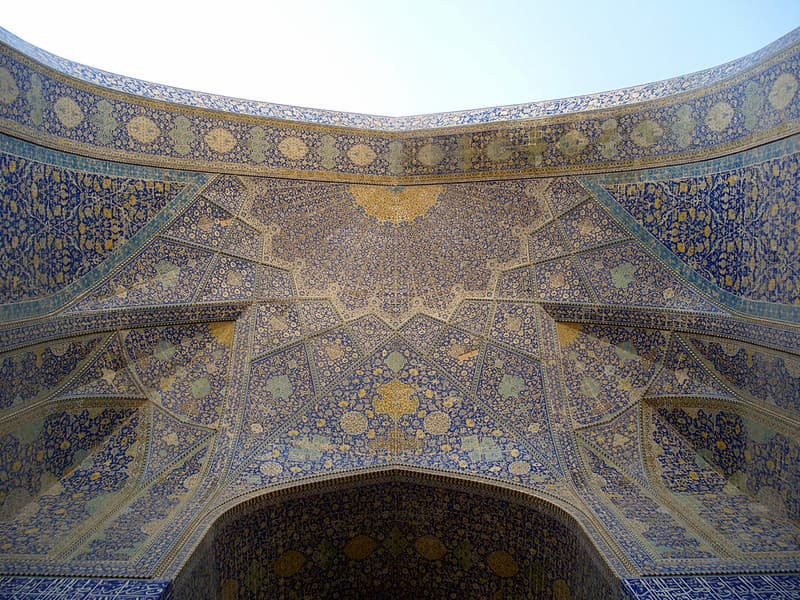
Often described by the Persian proverb “Esfahan is half the world,” this former Safavid capital is a breathtaking masterclass in Islamic geometry and sapphire-tiled grandeur. Its soul resides in the UNESCO-listed Naqsh-e Jahan Square, one of the largest urban plazas on Earth, bordered by the magnificent Shah Mosque, the intimate Sheikh Lotfollah Mosque, and the six-story Ali Qapu Palace. Visitors stroll across the ancient arched Khaju and Si-o-se-pol bridges over the Zayandeh River or explore the intricate 12th-century brickwork of the Jameh Mosque. From the bustling corridors of the Grand Bazaar to the lush Chehel Sotoun garden, Esfahan remains Iran’s ultimate architectural jewel.

GORGAN (GBT)
Gorgan, a historic northern Iranian city and capital of Golestan Province, rests gracefully at the lush foot of the Alborz Mountains, south of the Caspian Sea. Blessed with a mild climate and verdant landscapes, it serves as the gateway to ancient Hyrcanian forests. Visitors can wander through the dense canopy of Nahar Khoran Forest Park, explore the bustling traditional bazaar, and admire historic old town architecture. Nearby lie the remnants of the monumental Great Wall of Gorgan, an ancient brick fortification. Renowned for rich regional cuisine, Turkmen cultural influences, and warm hospitality, Gorgan offers travelers a serene, memorable Persian getaway.
Hyrcanian Forests *[IR] (alternative to Rasht)
KERMAN (KER)
Kerman, a historic city in southeastern Iran, serves as the gateway to the stunning Lut Desert, a UNESCO World Heritage site known for its surreal kaluts (sandstone formations). Kerman is a vibrant center for carpet weaving, copper handicrafts, and pistachio farming. Visitors can explore the 17th-century Ganjali Khan Complex, featuring a bustling bazaar, traditional bathhouse, and mint. With its cold desert climate, Kerman offers a unique blend of high-altitude mountain scenery and arid landscapes. This bustling provincial capital provides excellent lodging options and is a crucial hub for travelers venturing toward the ancient citadel of Bam.

RASHT (RAS)
Rasht, the lush capital of Iran’s northern Gilan Province, rests gracefully on the coastal plain near the southern Caspian Sea. Affectionately known as the City of Rain, it is globally recognized as a UNESCO Creative City of Gastronomy, celebrated for rich culinary traditions featuring fresh herbs, aromatic garlic, and unique rice dishes. Visitors can stroll across historic Shahrdari Square, decorated with grand European style architecture and iconic clock towers, or explore the bustling open air Grand Bazaar. Blending distinct Gilaki culture, verdant tea plantations, and scenic nearby wetlands, historic Rasht offers travelers an authentic, serene, and highly memorable Persian getaway.

SARI (SRY)
Sari, the historic capital of Iran’s Mazandaran Province, rests gracefully between the northern slopes of the Alborz Mountains and the southern shores of the Caspian Sea. Renowned for its lush climate, fragrant orange groves, and vast citrus orchards, it stands as one of northern Iran’s oldest cities. Visitors can admire the iconic Clock Tower at Sa’at Square, explore the historic Safavid Farah Abad complex, and wander vibrant local bazaars filled with fresh produce. Blending rich Mazanderani culture, scenic parks along the Tajan River, and surrounding verdant mountains, historic Sari offers travelers an authentic, serene, and memorable Northern Iranian travel experience.
Hyrcanian Forests *[IR] (alternative to Rasht)
TABRIZ (TBZ)
Tabriz, the historic capital of East Azerbaijan in Iran, is a vibrant city renowned for its rich cultural heritage and ancient trade routes. Travelers arriving at Tabriz International Airport can explore the breathtaking Tabriz Historic Bazaar Complex, a UNESCO site and one of the oldest in the Middle East. Key highlights include the stunning Blue Mosque, the grand Tabriz Citadel, and the serene Elgoli Park. Visitors should enjoy local delicacies like kufteh tabrizi and experience the city’s unique Azeri culture while adhering to local customs and security advisories.

TEHRAN (IKA)
Tehran, Iran’s bustling, high-altitude capital, is a dynamic metropolis of contrasting worlds nestled against the dramatic backdrop of the snow-capped Alborz Mountains. The city’s complex identity bridges rich imperial history with rapid modernity, showcased by the opulent, mirrored halls of the UNESCO-listed Golestan Palace alongside the futuristic, 435-meter-high Milad Tower. Visitors can get lost in the labyrinthine alleys of the historic Grand Bazaar to experience everyday local life, or stroll across the award-winning Tabiat Bridge for sweeping urban panoramas. Moving from its conservative southern core to the trendy, mountain-fringed northern neighborhoods, Tehran delivers an intense, unforgettable pulse of contemporary Persian culture.

YAZD (AZD)
Yazd, a historic oasis city in central Iran, is a UNESCO World Heritage site renowned as a masterpiece of desert architecture. Famous for its labyrinthine mud-brick historic core, the city is crowned by iconic badgirs (windcatchers) and powered by ancient underground qanat aqueducts. As a major center of Zoroastrian heritage, it houses the sacred Fire Temple—where a holy flame has burned for over 1,500 years—and the atmospheric Towers of Silence. Highlights include the soaring minarets of Jameh Mosque and the stunning Amir Chakhmaq Complex. Famed for silk weaving and traditional sweets, Yazd offers a mesmerizing, timeless Persian desert retreat.

Featured Image
The Shah Mosque, Isfahan (Seier+Seier, Flickr/CC BY 2.0).
News Feed
-
A Journey Through Tabriz Grand Bazaar: Trade and Heritage
-
Restoration Progress at Sheikh Safi al-Din Shrine
-
The Cost of War: Iran’s Natural Habitats in Jeopardy
-
Gonabad: A Key to Iran’s Hydrological Heritage
-
Preserving Yazd: Monitoring UNESCO Heritage Sites
-
Sino-Iranian cultural exchange: Why the Golestan Palace is popular in China
-
Iran’s Historic Sites Damaged by US-Israeli Strikes
-
Restoration Projects Boost Yazd’s Cultural Tourism
-
Explore the History of Iran’s Tchogha Zanbil Ziggurat
-
Bam Citadel: A UNESCO World Heritage Site in Iran
-
Tehran Hosts Discussion on Chapel of Dzordzor Relocation
-
Lut Desert Facts: A Journey Through Iran’s Hottest Terrain
Advertisement


Comments:
Leave a Reply