Visiting Italy’s Old-Growth Beech Forests: A Natural Adventure
The “Ancient and Primeval Beech Forests of the Carpathians and Other Regions of Europe” is a transnational serial natural World Heritage property representing the most complex and undisturbed temperate beech forest ecosystems in Europe. While the overarching UNESCO designation spans 18 European countries, ITALY harbors 13 distinct component parts distributed along the Apennine Mountains and southern ranges. These protected reserves extend across several regions, including the Abruzzo, Lazio e Molise National Park (Valle Cervara, Selva Moricento, Val Fondillo), Gargano National Park (Foresta Umbra in Puglia), Casentinesi Forests National Park (Sasso Fratino in Tuscany/Emilia-Romagna), Monti Cimini and Monte Raschio in Lazio, Pollino National Park (Cozzo Ferriero and Pollinello), and Aspromonte National Park (Valle Infernale in Calabria).
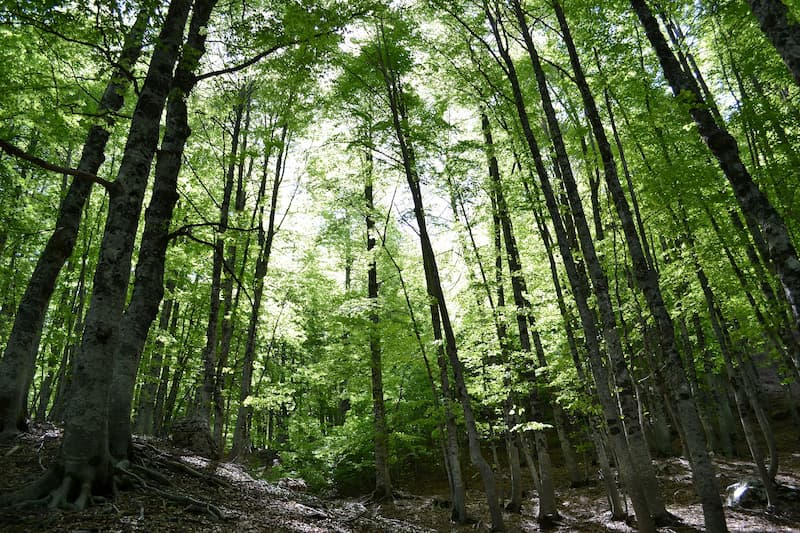
These Italian components safeguard old-growth European beech (Fagus sylvatica) stands that have developed naturally without human intervention for centuries. The forests showcase trees exceeding 400 to 600 years of age—among the oldest documented beech specimens in the Northern Hemisphere—reaching soaring heights of up to 45 to 50 meters. Beneath their dense canopies lies a complex ecological structure featuring standing deadwood, rich humus, diverse fungal networks, and specialized microclimates ranging from high-altitude limestone mountains to coastal volcanic ridges.
Attraction
This component ensemble attracts eco-tourists, botanists, and outdoor enthusiasts worldwide by offering rare access to Western Europe’s few remaining wild, primeval forest habitats. Unlike managed timberlands, these forests exhibit an ancient character where nature operates entirely on its own cycles of growth, decay, and regeneration. Walking along designated trails flanked by moss-covered giant trees and fallen logs provides a serene, fairytale-like atmospheric experience.
The sites are also premier destinations for wildlife viewing and biodiversity exploration. The Italian beech forests serve as vital refuges for rare endemic fauna, including the Marsican brown bear, Apennine wolf, red deer, rare Rosalia longicorn beetle, and rare woodpecker species. Additionally, the forests undergo spectacular visual shifts across the seasons: early spring brings carpeted wildflower blooms beneath fresh light-green foliage, while autumn offers world-renowned fall foliage tours as canopy leaves turn rich shades of gold, amber, and deep crimson.

World Heritage
In 2017 (with subsequent transnational expansions), UNESCO inscribed the Italian forest reserves as part of the serial natural World Heritage property under natural criterion (ix).
- Outstanding Post-Glacial Ecological Processes (Criterion ix): The site provides an exceptional demonstration of the ongoing post-glacial expansion and ecological recolonization of the European beech (Fagus sylvatica) across the continent. Following the last Ice Age, beech survived in small southern European refugia—including the southern Apennine mountains of Italy—before re-spreading northward. The Italian components represent essential genetic reservoirs and southern ecological boundaries, showcasing how beech ecosystems continuously adapt to varying microclimates, altitudes, and soil types.
- Biological Integrity and Old-Growth Structure: These reserves preserve complete ecological lifecycles, containing high proportions of standing and fallen deadwood essential for saproxylic insects, specialized fungi, and soil regeneration.
Gateway
Travelers accessing Italy’s primeval beech forests can utilize several convenient gateway cities equipped with IATA-coded airports, lodging, public transport, and licensed mountain guides:
- Pescara (Abruzzo Gateway):
- Airport: Abruzzo International Airport (IATA Code: PSR; ICAO Code: LIBP).
- Infrastructure: Located 110 kilometers east of Abruzzo National Park. Pescara provides car rentals, coastal accommodations, and regional bus links to mountain hubs like Pescasseroli, offering access to Val Cervara and Val Fondillo.
- Rome (Central Italy Gateway):
- Airports: Rome Leonardo da Vinci–Fiumicino Airport (IATA Code: FCO) and Rome Ciampino Airport (IATA Code: CIA).
- Infrastructure: Located 70 kilometers south of Mount Cimino and Mount Raschio in Lazio, and 160 kilometers west of Abruzzo. Rome offers high-speed rail connections, car rentals, lodging, and certified wilderness guide services.
- Florence (Tuscan Gateway):
- Airport: Florence Airport, Amerigo Vespucci (IATA Code: FLR; ICAO Code: LIRQ).
- Infrastructure: Located 70 kilometers west of Foreste Casentinesi. Florence provides rental cars, regional bus/train transit to Badia Prataglia, extensive hotels, and eco-tour operators.
- Foggia (Apulian Gateway):
- Airport: Foggia “Gino Lisa” Airport (IATA Code: FOG; ICAO Code: LIBF).
- Infrastructure: Located 80 kilometers southwest of Gargano National Park. Foggia provides access to Foresta Umbra via regional buses, rental vehicles, coastal hotels in Vieste, and park tour guides.
When
The ideal time to visit the Italian beech forest components is during Late Spring (May to June) and Autumn (Late September to October).
- Late Spring (May to June): Offers mild mountain temperatures, vibrant green canopy leafing, rushing streams from snowmelt, and active birdlife. Outdoor hiking trails are clear and pleasant for long treks.
- Autumn (Late September to October): Famous for crisp air and brilliant autumn colors. The forest foliage turns striking shades of orange and red, providing stunning conditions for photography and nature walks.
- Summer (July to August): Temperatures remain comfortably cool under the dense forest canopy compared to coastal heat, making it popular for escape, though popular trails experience higher visitor traffic.
- Winter (November to April): Cold with heavy snowfall at higher elevations (such as Abruzzo or Pollino), limiting standard hiking to snowshoeing or cross-country skiing along lower forest tracks.
Considerations
- Strict Reserve Access Restrictions: Many core old-growth sections (such as Sasso Fratino in Casentinesi or Valle Cervara in Abruzzo) are Strict Nature Reserves (Riserve Naturali Integrali). Direct entry into these fragile core zones is strictly prohibited to protect the ecosystem. Tourists can only walk along authorized perimeter trails and marked buffer zone paths.
- Trail Gear and Terrain: Trails involve rugged mountain terrain, uneven roots, and variable weather. Sturdy waterproof hiking boots, layered clothing, rain gear, and physical maps are essential.
- Wildlife Etiquette: These forests are active habitats for large mammals like brown bears and wolves. Hikers should stay on designated trails, keep dogs on leashes, avoid leaving food waste, and maintain a respectful distance from wildlife.
- Guided Excursions: Booking local certified mountain guides through official national park centers enhances safety and provides valuable ecological interpretation.

Resources
- UNESCO World Heritage Centre: Official UNESCO portal detailing criteria, boundary maps, and conservation reports.
- European Beech Forests Portal: Official transnational platform covering all 18 country component parts.
- Italia.it: Official Italian tourism portal featuring regional itineraries and national park guides.
- Parco Nazionale d’Abruzzo, Lazio e Molise: Official national park portal managing central Italian reserves.
- Trip.com: Global travel platform featuring user reviews, hotel bookings, tour packages, and travel advice.
Featured Image
Val Fondillo (Antonio Giulio Ruggiero, Wikipedia/CC BY-SA 3.0).

News Feed
Advertisement


Comments:
Leave a Reply