The following are the heritage sites, grouped into recommended gateway cities. This may help in planning on the logistics (travel and accommodation) of your journey.
AACHEN (AAH)
Aachen, Germany’s westernmost city, sits dynamically on the borders of Belgium and the Netherlands. Deeply anchored in European history, this vibrant spa town served as the preferred imperial residence of Charlemagne, who founded the magnificent Aachen Cathedral in 796. As Germany’s first UNESCO World Heritage site, the cathedral houses Charlemagne’s gothic shrine and marble throne. Beyond medieval history, Aachen is celebrated for its therapeutic, sulfurous hot springs, its world-renowned RWTH Aachen technical university, and its traditional Printen gingerbread. It offers an enchanting blend of historic grandeur, student-driven energy, and cross-border European culture.

BERLIN (BER)
Berlin, Europe’s most dynamic capital, is a sprawling metropolis where a turbulent 20th-century past harmoniously intersects with a cutting-edge contemporary spirit. The city is revitalized by major milestones, including the 200th anniversary of Museum Island and the highly anticipated reopening of the Hohenzollern Crypt. Visitors are mesmerized by icons like the Brandenburg Gate and the East Side Gallery, while the lush Tiergarten and the creative hub of Holzmarkt offer urban escapes. From its world-class techno scene to its diverse culinary landscape—ranging from street-side Currywurst to Michelin-starred dining—Berlin remains an endlessly reinventing sanctuary for artists, historians, and explorers alike.


COLOGNE/BONN (CGN)
Cologne and Bonn, twin gems of the Rhine, offer a blend of Gothic grandeur and Enlightenment culture. Cologne remains defined by its massive, UNESCO-listed Cathedral and vibrant Karneval spirit (starting February 12). Visitors flock to the Museum Ludwig for Picasso masterpieces and the Chocolate Museum for riverside treats. Just 20 minutes away, Bonn, the former West German capital, enchants as the birthplace of Beethoven. From the blooming cherry blossoms of the Altstadt to the “Museum Mile,” this region seamlessly marries Roman history with contemporary high-speed living and crisp Kölsch beer.


DUESSELDORF (DUS)
Düsseldorf, the sophisticated capital of North Rhine-Westphalia, is a global hub for fashion and avant-garde architecture. The city’s heart remains the Altstadt, famously called “the longest bar in the world” for its 300+ pubs serving copper-colored Altbier. Travelers marvel at the futuristic MedienHafen, home to Frank Gehry’s tilted buildings, and shop the luxury boutiques of Königsallee. As “Little Tokyo on the Rhine,” the city offers Europe’s most authentic Japanese culture. From the panoramic Rhine Tower to the serene Schloss Benrath, Düsseldorf elegantly fuses industrial prosperity with a relaxed, high-end lifestyle.
ERFURT (ERF)
Erfurt, the historic capital of Thuringia in central Germany, is a remarkably preserved medieval gem steeped in cultural legacy. At its heart lies the stunning ensemble of St. Mary’s Cathedral and the Church of St. Severus, rising grandly above the vast Domplatz. The city’s signature icon is the Krämerbrücke, a unique medieval bridge continuously lined with inhabited half-timbered shops and artisan boutiques. Steeped in history, Erfurt served as a pivotal refuge for Martin Luther during his university years and houses one of Europe’s oldest intact synagogues. With its picturesque canals, vibrant squares, and rich heritage, Erfurt offers a captivating journey into Germany’s past.
FRANKFURT (FRA)
Frankfurt am Main, Germany’s sleek financial capital, presents a striking contrast between its futuristic “Mainhattan” skyline and the meticulously restored New Old Town. Visitors can stroll through the medieval charm of Römerberg square, explore the birthplace of Goethe, or ascend the Main Tower for panoramic city views. The city is a cultural powerhouse, boasting the Museumsufer, a scenic cluster of world-class museums along the river. Renowned for its trade fairs and international flair, Frankfurt also offers cozy escapes in the cider taverns of Sachsenhausen, where tradition is served by the glass.


HAMBURG (HAM)
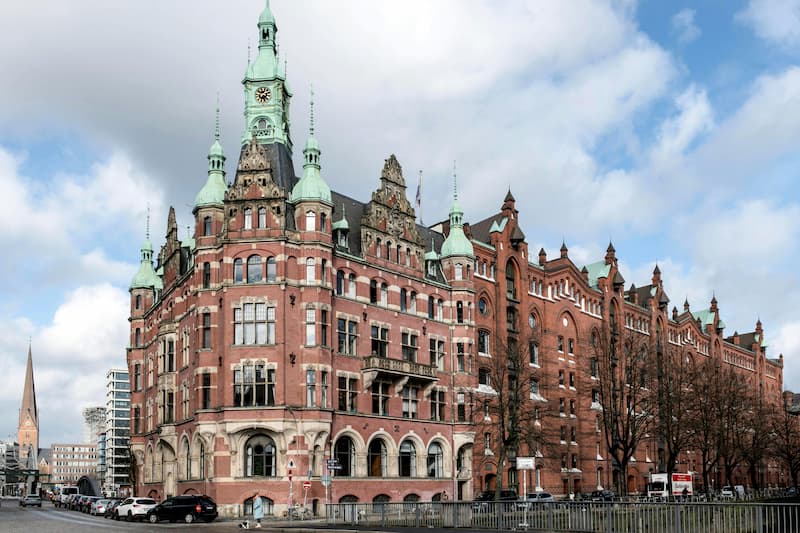
As Germany’s second-largest city and a historic Hanseatic powerhouse, Hamburg is a maritime marvel defined by its network of canals and bridges. The city’s architectural soul lies in the UNESCO-listed Speicherstadt, the world’s largest historic warehouse district, whose red-brick Gothic Revival buildings contrast sharply with the futuristic, glass-shored Elbphilharmonie concert hall. Visitors can explore the massive Port of Hamburg by boat, marvel at the intricate displays of Miniatur Wunderland, or stroll around the serene Alster Lakes. From the opulent Rathaus (City Hall) to the legendary nightlife of the Reeperbahn, Hamburg offers a cosmopolitan blend of merchant heritage and modern edge.


KASSEL (KSF)
Kassel, located in the heart of Germany, is a vibrant city renowned for its artistic heritage and stunning landscape architecture. It is most famous as the home of the Bergpark Wilhelmshöhe, a UNESCO World Heritage site featuring the iconic Hercules Monument and spectacular gravity-fed water features. Kassel also offers a deep dive into fairy tale history at the GRIMMWELT museum, celebrating the legacy of the Brothers Grimm. Furthermore, the city is a global hub for contemporary art, hosting the prestigious documenta exhibition every five years. With its excellent rail connectivity and warm Hessian hospitality, Kassel provides a unique blend of nature, culture, and history.
LEIPZIG/HALLE (LEJ)
Leipzig and Halle, located in central Germany, form a dynamic twin-city region rich in history, music, and culture. Leipzig, a former trade center, is celebrated for its musical legacy, housing the St. Thomas Church where Johann Sebastian Bach worked, alongside a vibrant contemporary art scene in former industrial areas. Just 30 minutes away, Halle (Saale) offers a contrast with its beautifully preserved Old Town, Handel House museum, and the stunning Nebra Sky Disc at the State Museum of Prehistory. Together, they offer diverse lodging, excellent transport links, and a unique glimpse into both Saxon and regional German heritage.
LUEBECK (LBC)
Lübeck, a historic port city in northern Germany, is celebrated as the former capital of the Hanseatic League. Its oval-shaped Old Town, completely surrounded by water, is a UNESCO World Heritage Site famous for its iconic Brick Gothic architecture. Travelers enter through the majestic 15th-century Holstentor Gate to explore narrow medieval alleys, grand merchant houses, and the towering spires of St. Mary’s Church. Beyond its rich maritime history, Lübeck is world-renowned for its traditional marzipan confectionery, best sampled at the historic Café Niederegger, making the city a delightful cultural and culinary destination along the Baltic coast.
MANNHEIM (MHG)
Mannheim, located in southwestern Germany at the confluence of the Rhine and Neckar rivers, is famously designed in an innovative grid pattern known as the “Square City.” A historic center of industrial innovation, it stands proudly as the birthplace of the world’s first automobile and bicycle. The city’s crown jewel is the colossal Mannheim Baroque Palace, one of Europe’s largest palace complexes, alongside the iconic Art Nouveau Wasserturm water tower on Friedrichsplatz. With a vibrant multicultural atmosphere, dynamic student energy, and cutting-edge art museums, Mannheim seamlessly blends its unique urban layout with deep historical significance and a thriving modern culture.
ROSTOCK (RLG)
Rostock, a historic Hanseatic city on Germany’s Baltic coast, gracefully blends medieval maritime grandeur with vibrant seaside charm. Founded along the Warnow River, it features a beautifully restored historic center highlighted by iconic Brick Gothic architecture, including St. Mary’s Church with its 15th-century astronomical clock, and the University of Rostock, one of northern Europe’s oldest institutions. Just north lies Warnemünde, Rostock’s popular seaside resort famous for its expansive white-sand beaches, historic lighthouse, and bustling fish market. As host to the annual Hanse Sail gathering, Rostock stands as a compelling destination where rich maritime history, naval heritage, and relaxed coastal living meet.
STRALSUND (BBH)
Stralsund, a historic Hanseatic city on Germany’s Baltic coast, is a UNESCO World Heritage site celebrated for its stunning Brick Gothic architecture. Situated along the Strelasund sound, it serves as the picturesque gateway to Rügen Island. The city’s heart centers around the vibrant Alter Markt, framed by the elaborate Gothic facade of the Town Hall and the majestic St. Nicholas Church. Stralsund’s rich maritime legacy comes alive at the Ozeaneum, a world-class oceanographic museum, and the historic harbor, where traditional sailing vessels dock. With its charming cobblestone streets, scenic canals, and deep sea-trading heritage, Stralsund offers an enchanting coastal retreat.
Featured Image
Speicherstadt Town Hall, Hamburg (Wolfgang Weiser, Pexels/Free To Use).
News Feed
-
Exploring Augsburg: A City on the Happiness Atlas
-
Eisenach: A Perfect Retirement Town in Germany
-
Bauhaus Under Threat: Resurgence of Far-Right Ideologies
-
Top 5 Must-Visit Places in Germany Beyond Major Cities
-
The Architectural Marvel of Kolner Dom in Köln
-
Bauhaus Manifesto: A Call for Artistic Freedom and Innovation
-
Explore Berlin’s UNESCO World Heritage Architecture
-
15 Most Stubborn Structures: The Longest Building Projects
-
Experience Germany: Where Culture Meets Scenic Beauty
Advertisement


Comments:
Leave a Reply