Explore the Beauty of Arab-Norman Palermo
The UNESCO World Heritage property titled “Arab-Norman Palermo and the Cathedral Churches of Cefalú and Monreale” encompasses nine monumental structures located along the northern coast of Sicily, ITALY. Dating to the era of the Norman Kingdom of Sicily (1130–1194), the property consists of seven civic and religious sites within Palermo, plus two royal cathedrals in neighboring municipalities:
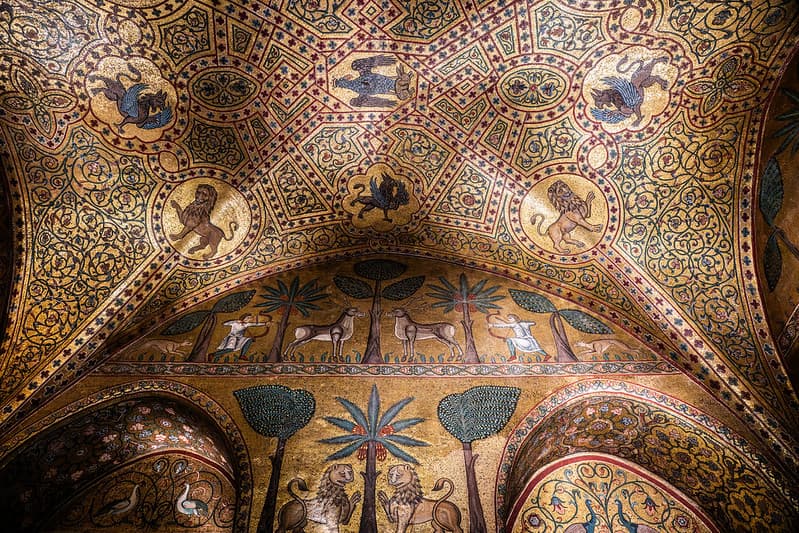
- Palermo Royal Palace (Palazzo dei Normanni) and Palatine Chapel: The seats of royal power featuring spectacular gold-ground Byzantine mosaics, Islamic wooden muqarnas ceilings, and multi-cultural architectural influences.
- Palermo Religious Monuments: The Church of San Giovanni degli Eremiti (known for red domes and Arab-inspired cloisters), the Church of Santa Maria dell’Ammiraglio (La Martorana), the Church of San Cataldo (featuring distinctive red domes and opus sectile floors), and the majestic Palermo Cathedral.
- Civic Architecture in Palermo: The Zisa Palace (a summer residence featuring sophisticated Islamic cooling systems and water features) and the medieval stone Admiral’s Bridge (Ponte dell’Ammiraglio).
- Cathedral of Cefalù: Located 70 kilometers east of Palermo, a fortress-like cathedral founded by King Roger II, featuring twin bell towers and an iconic Christ Pantocrator apse mosaic.
- Cathedral of Monreale: Perched in the hills overlooking Palermo, renowned for over 6,300 square meters of glittering Byzantine gold mosaics, multi-columned cloister arcades, and Norman-Arab stone craftsmanship.
Attraction
This UNESCO ensemble draws international travelers through its visual magnificence, rare artistic fusion, and deep historical resonance. Chief among its attractions are vast expanses of gold-ground Byzantine mosaics. Monreale Cathedral features over 6,300 square meters of shimmering mosaics depicting biblical narratives, anchored by a massive Christ Pantocrator in the apse. Similarly, the Palatine Chapel inside Palermo’s Royal Palace offers a jewel-box interior where Islamic wooden ceiling carvings frame Christian iconography.
Beyond artistic beauty, the site offers an engaging journey across Sicily’s landscapes and historic centers. Visitors can explore the vibrant street life and historic markets of Palermo, admire the dramatic cliffside setting of Cefalù Cathedral overlooking the sea, and marvel at the tranquil cloister arches of Monreale. Witnessing how medieval Christian, Islamic, and Byzantine cultures collaborated to create lasting masterworks provides an inspiring experience for global tourists.

World Heritage
In 2015, UNESCO inscribed “Arab-Norman Palermo and the Cathedral Churches of Cefalù and Monreale” on the World Heritage List under cultural criteria (ii) and (iv).
- Cultural Interchange and Coexistence (Criterion ii): The site stands as physical evidence of a socio-political period characterized by the fruitful coexistence and collaboration among diverse ethnic and religious populations, including Latin Christians, Muslims, Byzantine Greeks, Jews, Lombards, and Franks. This cross-cultural exchange produced an innovative architectural synthesis that influenced architectural development throughout the Tyrrhenian region and the medieval Mediterranean.
- Masterpiece of Stylistic Synthesis (Criterion iv): The nine monuments represent an outstanding example of spatial and decorative synthesis. By re-elaborating elements from different traditions—Islamic structural geometry, Byzantine mosaics, and Western Romanesque cathedral planning—the Norman Kingdom created a new, coherent artistic language marked by structural innovation.
Gateway
Three major Sicilian gateway cities provide access to the site, offering IATA-coded airports, high-capacity lodging, public transit connections, and guided tour services:
- Palermo (Primary Direct Gateway):
- Airport: Palermo Falcone-Borsellino Airport (IATA Code: PMO; ICAO Code: LICJ).
- Infrastructure: Located 30 kilometers west of the city center. PMO offers direct international flights, shuttle buses, and train links directly to Palermo Centrale railway station. The city hosts hotels, guesthouses, local buses to Monreale, and licensed guides.
- Catania (Eastern Sicily Gateway):
- Airport: Catania-Fontanarossa Airport (IATA Code: CTA; ICAO Code: LICC).
- Infrastructure: Located 200 kilometers east. Catania serves as a major commercial aviation hub. Direct express buses and regional trains cross the island to Palermo in roughly 2.5 to 3 hours, offering lodging and island tour packages.
- Trapani (Western Sicily Gateway):
- Airport: Trapani Vincenzo Florio Airport Birgi (IATA Code: TPS; ICAO Code: LICT).
- Infrastructure: Located 100 kilometers west of Palermo. Linked by highway and regional bus lines, Trapani serves as a secondary regional hub with coastal lodging and tour access to northern Sicilian destinations.
When
The best time to visit Arab-Norman Palermo and the cathedrals of Cefalù and Monreale is during Spring (April to June) and Early Autumn (September to October).
- Spring and Autumn: These shoulder seasons offer pleasant, sunny weather with average temperatures ranging from 18°C to 25°C (64°F to 77°F). Moderate humidity makes outdoor walking between monuments, climbing cathedral towers, and exploring winding medieval streets comfortable.
- Summer (July to August): Temperatures frequently exceed 35°C (95°F) accompanied by intense sun and high tourism density, which can make urban sightseeing exhausting.
- Winter (November to March): Mild weather prevails with fewer crowds, though shorter daylight hours and occasional rain showers can impact coastal excursions.
Considerations
- Transportation Between Sites: While the seven monuments in Palermo can be visited on foot or via city buses, visiting Monreale requires taking a local bus (AMAT line 389) or taxi up the hill. Reaching Cefalù is easiest via a direct 50-minute regional train ride from Palermo Central Station.
- Dress Code for Sacred Places: Active cathedrals and churches enforce modest dress codes. Shoulders and knees must be covered to enter.
- Ticketing and Schedules: Opening hours vary between sites, and some churches close briefly during early afternoon hours or religious services. Purchasing combined tourist tickets online in advance is recommended during peak travel months.
- Accessibility and Footwear: Navigating historic cobble streets, steep stairs to cathedral rooftops, and cloisters requires wearing comfortable, supportive walking shoes.

Resources
- UNESCO World Heritage Centre: Official UNESCO portal providing technical inscription criteria, conservation reports, and official documentation.
- Italia.it: Official Italian national tourism portal offering travel guides, historical backgrounds, and visitor logistics for Sicily.
- Palermo World Heritage Site Official Portal: Municipal site managing the Arab-Norman itinerary and monument details.
- Trip.com: Major global travel platform featuring user reviews, hotel reservations, guided tour bookings, and travel advice.
- Visit Sicily: Official regional tourism authority platform offering detailed itineraries and transport schedules across Sicilian destinations.


Comments:
Leave a Reply