The following are the heritage sites, grouped into recommended gateway cities. This may help in planning on the logistics (travel and accommodation) of your journey.
DJERBA (DJE)
Djerba, Tunisia’s “Island of Dreams,” is a Mediterranean crossroads where Berber, Arab, and Jewish cultures have coexisted for centuries. Recently inscribed as a UNESCO World Heritage site, the island is famed for its whitewashed villages and the ancient El Ghriba Synagogue, one of the oldest in Africa. Visitors can explore the vibrant murals of Djerbahood in Erriadh, wander the spice-scented souks of Houmt Souk, or visit the pottery workshops of Guellala. With its palm-fringed beaches and unique “menzel” architecture, Djerba serves as both a tranquil seaside retreat and a gateway to the Saharan adventures of Southern Tunisia.

ENFIDHA (NBE)
Enfidha, a historic market town in northeastern Tunisia’s Sousse Governorate, sits amid vast olive groves near the serene Gulf of Hammamet. Serving as a crucial regional transportation hub, the town is widely recognized for hosting the modern Enfidha-Hammamet International Airport, connecting international travelers to Tunisia’s sparkling coastal resorts. Beyond its transit importance, Enfidha offers a poignant connection to modern history at the Enfidha War Cemetery, the final resting place for over 1,500 Commonwealth soldiers from World War II’s North African campaign. Blessed with agricultural charm, rich local markets, and proximity to Mediterranean beaches, Enfidha presents an authentic, serene Tunisian gateway.
Amphitheatre of El Jem (alternative to Monastir)
MONASTIR (MIR)
Monastir, a sun-drenched coastal city in central Tunisia’s Sahel region, rests gracefully along the turquoise waters of the Mediterranean Sea. Rich in Islamic history, the town is dominated by the imposing Ribat of Monastir, a remarkably preserved eighth-century seaside fortress offering panoramic coastal views. Monastir is also celebrated as the birthplace of Habib Bourguiba, Tunisia’s first president, honored by the majestic Bourguiba Mausoleum featuring a grand golden dome and slender minarets. With its pristine white-sand beaches, modern yacht marina, palm-lined promenades, and vibrant traditional souks, Monastir delivers a captivating, memorable fusion of ancient maritime heritage and relaxing Mediterranean resort charm.

SFAX (SFA)
Sfax, Tunisia’s second-largest city and vibrant economic engine, sits along the Mediterranean coast on the Gulf of Gabès. Unlike resort towns, this bustling port city offers an authentic glimpse into genuine Tunisian life. Its crowning attraction is the remarkably preserved ninth-century Medina, enclosed by formidable stone walls and packed with traditional artisan souks untouched by mass tourism. Visitors can admire the soaring minaret of the Great Mosque, explore regional heritage at the Dar Jellouli Museum, and savor renowned olive oil and fresh seafood. Serving as the gateway to the quiet Kerkennah Islands, Sfax blends rich history, maritime commerce, and culture.
Amphitheatre of El Jem (alternative to Monastir)
TUNIS (TUN)
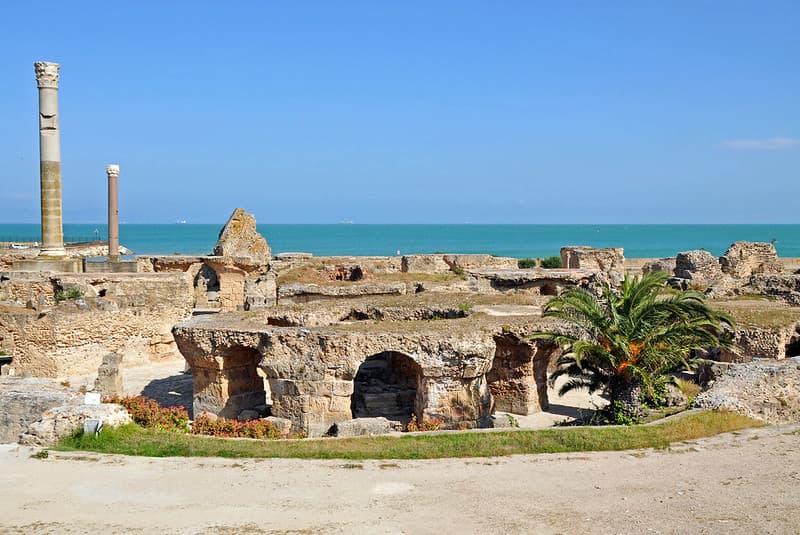
Tunis, the sprawling capital of Tunisia, is a captivating intersection of Mediterranean flair and deep African roots. At its heart lies the UNESCO-listed Medina, a dense labyrinth of 7th-century alleys, ornate doorways, and the historic Zaytuna Mosque. To the east, the sun-bleached ruins of Carthage offer a window into a legendary Punic and Roman past, while the nearby clifftop village of Sidi Bou Said charms with its iconic blue-and-white architecture. Travelers can explore the world’s finest Roman mosaics at the Bardo National Museum or enjoy the cosmopolitan energy of the French-influenced Ville Nouvelle, making Tunis a premier cultural gateway.


Amphitheatre of El Jem (alternative to Monastir)


Comments:
Leave a Reply