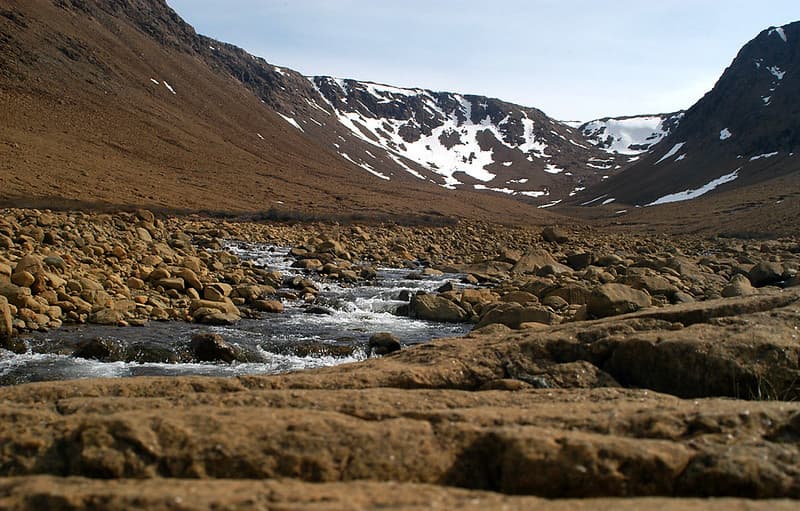
Gros Morne National Park is a majestic wilderness area located on the west coast of Newfoundland, CANADA. Covering over 1,800 square kilometers, it is a landscape defined by dramatic contrasts, where soaring mountains, deep, landlocked fjords, and ancient, rust-colored rocky barrens meet the rugged Atlantic coastline.
The park is essentially a living textbook of geological history. It is characterized by diverse ecosystems, ranging from lush boreal forests and coastal bogs to the stark, moon-like barrens of the Tablelands. It features massive freshwater lakes, such as Western Brook Pond—a towering, sheer-walled fjord—and the alpine heights of Gros Morne Mountain.
Attraction
- Geological Wonders: Travelers are drawn by the ability to literally walk on the Earth’s mantle at the Tablelands, where ancient oceanic crust was pushed to the surface millions of years ago.
- Unrivalled Scenery: The combination of dramatic coastal cliffs, deep inland fjords, and lush valleys provides some of the most striking vistas in North America.
- Outdoor Adventure: It is a premier destination for hiking (the trek up Gros Morne Mountain is legendary), boat tours through glacial fjords, sea kayaking, and wildlife viewing—including moose, caribou, and arctic hares.

World Heritage
Inscribed in 1987, Gros Morne holds “Outstanding Universal Value” for its:
- Geological Significance: It provides one of the world’s best examples of plate tectonics, specifically the process of continental drift and the exposure of the deep Earth’s mantle.
- Exceptional Natural Beauty: The park’s landscape, shaped by centuries of glacial activity and erosion, offers a unique aesthetic of raw, untamed wilderness.
Gateway
Deer Lake is the primary gateway.
- Airport: Deer Lake Regional Airport (YDF) is the closest commercial airport, located approximately 70 kilometers (about a 50-minute drive) from the park entrance.
- Lodging: While Deer Lake has various hotel options, most visitors choose to stay in the charming coastal communities nestled within or adjacent to the park, such as Rocky Harbour, Norris Point, or Woody Point. These towns offer everything from hotels and inns to cozy cabins and vacation homes.
When
- Mid-June to Mid-September: This is the prime season, offering the warmest weather, the most sunshine, and full access to all park services and boat tours.
- Shoulder Seasons: May and October are picturesque, especially for fall foliage, but some visitor services and local businesses may have limited hours. Note that high-elevation trails are often closed until late June for habitat protection.
Consideration
- Weather Variability: Newfoundland weather is famously unpredictable. Even in summer, temperatures can be cool, and mist or rain is common. Pack moisture-wicking layers and high-quality rain gear.
- Distance and Transport: You will almost certainly need to rent a vehicle at the Deer Lake airport. Public transit into the park is extremely limited.
- Planning Ahead: Book boat tours (especially for Western Brook Pond) and popular accommodations well in advance, as they fill up quickly during the short summer peak.
- Connectivity: Cell service can be intermittent within the park; download offline maps before heading out on trails.

Resources
- Parks Canada – Gros Morne Official Site – The definitive source for park safety, trail conditions, and management.
- UNESCO World Heritage – Gros Morne – Official documentation regarding its designation.
- Newfoundland & Labrador Tourism – Excellent for broader regional travel planning and itinerary ideas.
- Gros Morne Adventures – A reputable local tour provider for kayaking and guided hikes.
- Trip.com – Deer Lake Hotels – A reliable platform to secure your stay near the park.


Comments:
3 responses to “Gros Morne National Park”
-
One of the best ways to experience the park is to get a jaw-dropping view by hiking to the Gros Morne summit, which sits at 806 meters. While this may not seem that high, the views are astounding. Plus, you may see a moose! In fact, my wife and I saw three during our hike. We saw the mama, papa, and the baby. I’ve never stood so close to a moose in my life and I grew up in Canada! While you should be in moderate shape to make this climb, we did see a variety of folks along the way including seniors, families, and people walking their dog. It takes about 1.5 hours to reach the summit and only about an hour to get back down.
-
On the boat ride on Western Brook Pond be enchanted by the landscape of a freshwater fjord that includes the highest waterfall in the eastern part of North America. Go hiking so the copious wildflowers, mountains and big vistas can speak to your soul. Look for moose and black bears. Kayak out of Norris Point. And explore the rugged coast along the Gulf of St. Lawrence.
-
Can’t wait to see this place


Leave a Reply