Where Arid Desert Islands Plunge into “The World’s Aquarium”
The UNESCO World Heritage site titled “Islands and Protected Areas of the Gulf of California” is a serial natural property comprising 244 islands, islets, and coastal reserves scattered across the Sea of Cortez in northwestern MEXICO. Extending from the Colorado River Delta southwards to the tip of the Baja California Peninsula and the mainland shores of Sonora and Sinaloa, this marine expanse spans an extraordinarily diverse range of desert and oceanic ecosystems.
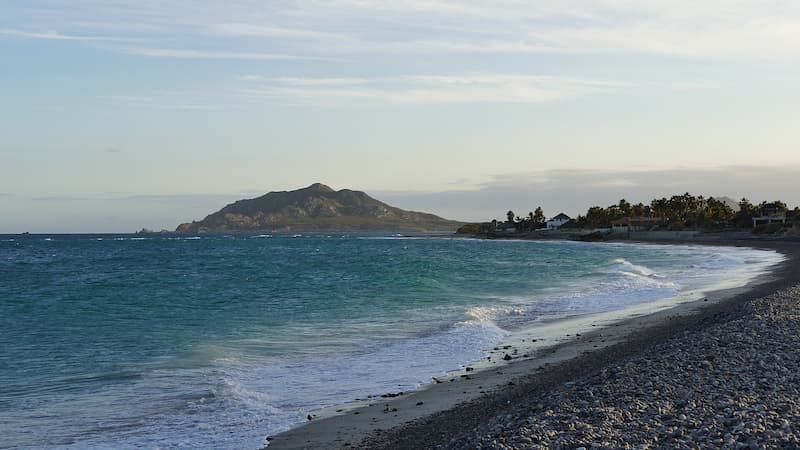
The site encompasses dramatically contrasting landscapes, where stark, sun-bleached desert islands featuring giant cacti and jagged volcanic cliffs plunge directly into deep, nutrient-rich turquoise waters. Prominent sectors include the Jacques Cousteau Island (Isla Cerralvo), Isla Espíritu Santo, Isla Ángel de la Guarda, San Pedro Mártir, and the Cabo Pulmo National Park coral reef. Dynamic upwelling currents fuel a thriving marine food web, nourishing sprawling underwater kelp forests, seamounts, and intricate mangrove estuaries that collectively form one of the world’s most ecologically productive sea environments.
Attraction
Famously christened “The World’s Aquarium” by oceanographer Jacques Cousteau, the Gulf of California attracts naturalists, scuba divers, kayakers, and marine wildlife enthusiasts from across the globe. It offers rare opportunities to observe oceanic megafauna up close within pristine, uncrowded natural habitats.
Visitors flock to the region to swim alongside docile whale sharks, dive with playful California sea lion colonies at Los Islotes, and encounter numerous cetacean species. The gulf serves as a crucial nursery and migratory corridor for blue whales, humpback whales, fin whales, sperm whales, and pods of wild dolphins. Snorkelers and divers explore Cabo Pulmo, the northernmost living coral reef in the Eastern Pacific, teeming with tropical fish, manta rays, and reef sharks. On land, wilderness enthusiasts enjoy sea kayaking along deserted island coves, hiking across volcanic trails, and birdwatching for rare endemic species like the blue-footed booby and Craveri’s murrelet.

World Heritage
Inscribed on the UNESCO World Heritage List in 2005 under Natural Criteria (vii), (ix), and (x), the site is celebrated for its exceptional natural phenomena and biological richness:
- Criterion (vii) – Superlative Natural Beauty: The property presents striking aesthetic contrasts where rugged, arid island landforms meet rich ocean waters, producing scenic landscapes, dramatic sea arches, and breathtaking marine spectacles.
- Criterion (ix) – Ongoing Ecological Processes: The site is a living laboratory for speciation and oceanographic study. Bridge-building between terrestrial desert evolution and marine upwelling dynamics creates unique ecological processes, fostering high rates of endemism among plants, reptiles, and land birds.
- Criterion (x) – Biodiversity Conservation: Containing nearly 39 percent of the world’s marine mammal species and a third of global cetacean species, the property shelters immense biological diversity. It protects over 890 fish species (roughly 90 endemic) and critical nesting grounds for sea turtles and seabirds.
Gateway
Travelers exploring the site can enter through two major gateway cities in Baja California Sur featuring public IATA-listed commercial airports, lodging, transport infrastructure, and tour agencies:
- La Paz (Primary Central Gateway):
- Airport: Manuel Márquez de León International Airport (IATA Code: LAP; ICAO Code: MMLP).
- Infrastructure and Distance: Situated 15 kilometers southwest of downtown La Paz. As the state capital, La Paz provides direct access to southern gulf islands, including Isla Espíritu Santo. LAP airport operates domestic commercial flights connecting via Mexico City and Guadalajara. La Paz offers extensive accommodation choices ranging from seaside resorts to eco-pensions. The city features marina facilities, rental car agencies, and licensed boat charters running daily day tours and multi-day liveaboard diving trips.
- Loreto (Secondary Northern Gateway):
- Airport: Loreto International Airport (IATA Code: LTO; ICAO Code: MMLT).
- Infrastructure and Distance: Located 5 kilometers south of downtown Loreto. LTO airport operates international commercial flights from the United States and domestic routes. Serving as the entry point to the Loreto Bay National Marine Park, the town provides boutique hotels, local tour guides, and skiff (panga) charters into the central islands.
When
The ideal time to visit the Gulf of California depends on preferred activities, with Winter to Spring (December to April) and Autumn (October to November) offering peak experiences:
- Winter to Early Spring (December to April): Features comfortable air temperatures (20°C to 27°C / 68°F to 80°F). Peak season for migratory gray, humpback, and blue whale watching, along with whale shark swimming. Water temperatures require wetsuits for extended diving (19°C to 22°C / 66°F to 72°F).
- Autumn (October to November): Delivers clear skies, warm air (26°C to 32°C / 79°F to 90°F), and peak underwater visibility (up to 30 meters) with warm water (26°C to 29°C / 79°F to 84°F), creating optimal scuba diving and snorkeling conditions.
- Summer (June to September): Very hot and humid (33°C to 38°C / 91°F to 100°F) with potential tropical storms (chubascos).
Consideration
- Environmental Permits and Conservation Rules: Visiting marine parks (like Espíritu Santo or Cabo Pulmo) requires purchasing a daily CONANP conservation wristband or permit. Touching marine life, collecting shells, or disturbing nesting seabirds is strictly illegal.
- Sun and Heat Protection: Strong desert solar radiation necessitates eco-friendly, reef-safe sunscreen, UV-protective rashguards, wide-brimmed hats, polarized sunglasses, and abundant drinking water.
- Water Conditions and Motion Sickness: Ocean swells and choppy wind conditions occur during seasonal transitions. Wearing anti-nausea bands or taking motion sickness medication before boat departures is advisable.
- Strict Eco-Tourism Regulations: Swimmers must maintain strict physical distances from whale sharks and sea lions. Scuba divers must demonstrate neutral buoyancy control to prevent damaging fragile coral structures.
- Local Currency and Tipping: Transactions use the Mexican Peso (MXN). Cash is essential for paying local boat captains (pangueros), park fees, and tips in smaller coastal villages.

Resources
- UNESCO World Heritage Centre: Official inscription portal outlining spatial boundaries, criteria evaluations, and state of conservation reports.
- CONANP Mexico Official Portal: Official national commission for protected areas providing park rules, wristband policies, and marine reserve news.
- Baja California Sur Official Tourism Board: Official state travel portal featuring destination guides, lodging directories, and transit info.
- La Paz Tourism Board: Official municipal tourism site offering certified tour operator listings, diving guidelines, and seasonal wildlife schedules.
- GetYourGuide: Popular online travel marketplace offering bookings for island boat tours, whale shark excursions, and diving packages in La Paz and Loreto.


Comments:
One response to “Islands and Protected Areas of the Gulf of California”
-
The ultimate way in which to appreciate the Sea of Cortez is, of course, to jump in. Thus, where conditions allowed, we donned wetsuits and took the skiffs out for a spot of snorkelling. Among coral gardens littered with sea stars we found a teeming kaleidoscope of reef fish, including such gems as Cortez angels and guineafowl puffers. And at one sheltered berth beneath a towering sea stack, we even slipped overboard beside a colony of California sea lions. Leaving the adults sprawled among the boulders, the pups swam out to join us.


Leave a Reply