Visit Campeche: Colonial Architecture and Scenic Coastlines
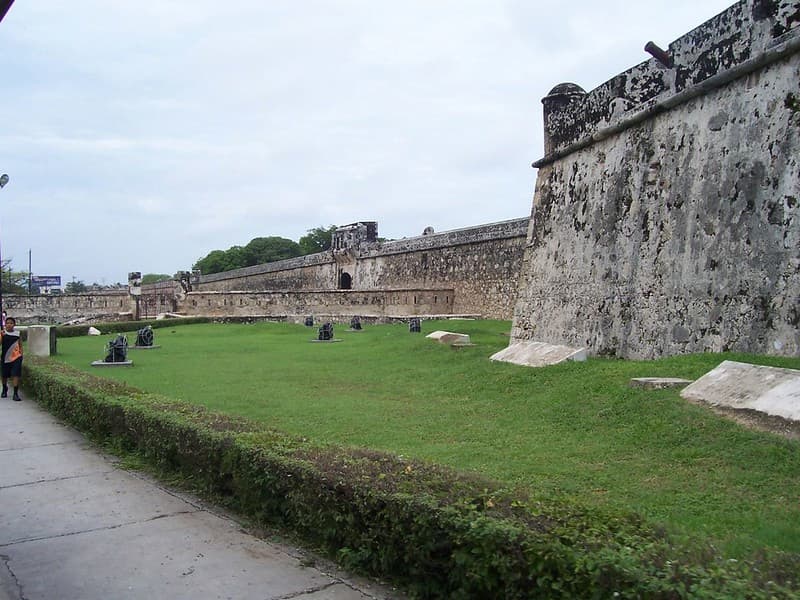
The “Historic Fortified Town of Campeche” (officially San Francisco de Campeche) is an exceptionally preserved 17th- and 18th-century Spanish colonial port city located on the western coast of the Yucatán Peninsula along the Gulf of MEXICO. Founded in 1540 by Spanish conquistadors atop the ancient Maya settlement of Ah-Kim-Pech, Campeche quickly developed into a vital maritime hub for exporting timber, silver, and agricultural goods back to Europe. Because of its commercial wealth and strategic position, the port suffered relentless, destructive raids by privateers and buccaneers—including Francis Drake and Henry Morgan—throughout the 16th and 17th centuries. To safeguard the population and maritime trade, Spanish authorities constructed a massive hexagonal defensive fortification system between 1686 and 1704.
The protected historic center spans 181 hectares and features a grid layout (checkerboard street plan) surrounded by thick limestone walls (murallas), four grand stone gates, and eight formidable bastions (baluartes). Notable defensive structures include the Baluarte de San Carlos, Baluarte de la Soledad, the Land Gate (Puerta de Tierra), and the Sea Gate (Puerta del Mar). Complementing the main enclosure, two hilltop redoubts—Fuerte de San Miguel and Fuerte de San José el Alto—stand on surrounding high ground overlooking the bay. Inside the walls, almost 1,000 historic buildings line narrow cobblestone streets, painted in a rainbow of pastel hues including terracotta, canary yellow, sky blue, and soft pink.
Attraction
Campeche captivates international travelers through its unique fusion of pirate history, pristine colonial architecture, relaxed coastal atmosphere, and rich cultural traditions. Unlike the bustling, high-density resort zones of the nearby Riviera Maya, Campeche offers an authentic, peaceful encounter with Mexican maritime history. Visitors can walk along elevated stone ramparts, explore colonial artillery displays, and visit interactive history museums housed directly inside ancient bastions and fortresses. In the evenings, historical light-and-sound shows at the Puerta de Tierra bring 17th-century pirate battles back to life.
The city’s vibrant streets make it a paradise for photographers, history enthusiasts, and leisure seekers. Spanish and Creole mansions boast ornate iron balconies, arched colonnades, and central open-air courtyards. Tourists gather at the central square (Plaza de la Independencia) to admire the twin-towered Cathedral of the Immaculate Conception, listen to live traditional music, and stroll down the pedestrianized Calle 59. At dusk, the city’s waterfront promenade (Malecón) provides breathtaking sunset views over the Gulf of Mexico, flanked by outdoor seafood restaurants serving local specialties like dogfish empanadas (panuchos) and coconut shrimp.

World Heritage
In 1999, UNESCO inscribed the Historic Fortified Town of Campeche on the World Heritage List under cultural criteria (ii) and (iv).
- Model of Colonial Urbanization and Military Architecture (Criterion ii): UNESCO recognized Campeche as an outstanding model of a Baroque colonial port town, characterized by its strict checkerboard urban layout facing the sea. The defensive wall system encircling its historic core illustrates the significant influence and evolution of military architecture across the Caribbean region.
- Masterpiece of Military Engineering (Criterion iv): The fortification system of Campeche represents an eminent example of 17th- and 18th-century military architecture. Constructed by the Spanish Crown as part of a comprehensive defensive network across key Caribbean and Gulf seaports, the integrated complex of hexagonal walls, bastions, coastal batteries, and hilltop forts successfully shielded vital trade routes against privateer attacks.
Gateway
The primary gateway city serving visitors to this site is San Francisco de Campeche (commonly referred to simply as Campeche), the state capital of Campeche state, Mexico. Because the UNESCO World Heritage property forms the central core of the city, staying in Campeche allows travelers to easily walk to all museums, historic plazas, and coastal boardwalks.
Campeche is directly served by Ing. Alberto Acuña Ongay International Airport (IATA Code: CPE; ICAO Code: MMCP). Located roughly seven kilometers southeast of the historic center, CPE operates as an active airport handling domestic commercial passenger flights (primarily connecting to Mexico City), general aviation, and executive flights. Travelers can reach the historic walled district in approximately 15 to 20 minutes via airport taxi, private shuttle, or rental car. Alternatively, Mérida’s Manuel Crescencio Rejón International Airport (IATA Code: MID) sits roughly 175 kilometers northeast, offering expanded domestic and international flight options. Campeche provides extensive accommodation choices across all tiers, including restored 17th-century colonial haciendas, boutique heritage hotels inside the walls, coastal resorts along the Malecón, and budget guesthouses.
When
The ideal time to visit the Historic Fortified Town of Campeche is during the Dry Season (November to April).
- Dry Season (November to April): These months bring pleasant, sunny weather with average daytime temperatures ranging between 24°C and 29°C (75°F to 84°F), lower humidity, and minimal rainfall. Comfortable breezes off the Gulf of Mexico make outdoor sightseeing along the walls and cobblestone streets very enjoyable. February is especially lively due to Campeche’s annual Carnival, one of the oldest cultural celebrations in Mexico.
- Wet and Hot Season (May to October): Summer brings high heat frequently exceeding 35°C (95°F), heavy tropical humidity, afternoon rain showers, and elevated risk of tropical storms in the Gulf.
Considerations
- Tropical Heat and Sun Protection: Tropical temperatures can be intense year-round. Visitors should wear lightweight cotton or linen clothing, wide-brimmed hats, sunglasses, and high-SPF sunscreen, while carrying refillable water bottles during outdoor walks.
- Footwear and Walking Terrain: Exploring the historic district requires extensive walking across uneven cobblestone streets, narrow sidewalks, and steep stone steps to access elevated ramparts and hilltop forts. Sturdy, comfortable walking shoes are essential.
- Currency and Language: Major hotels and established restaurants accept credit cards, but smaller craft shops, street food stalls, and local taxis operate strictly in Mexican Pesos (MXN). Basic Spanish skills are helpful, as English fluency is less widespread than in Quintana Roo tourist centers.
- Museum Schedules and Entry Tickets: City bastions and forts operate as individual museums charging modest entry fees. Most government-run cultural institutions close on Mondays, so travelers should arrange schedules accordingly.

Resources
- UNESCO World Heritage Centre: Official UNESCO platform detailing technical inscription records, criteria explanations, and conservation status reports.
- INAH – Instituto Nacional de Antropología e Historia: Official Mexican government portal for cultural heritage, providing historical archives and museum details.
- VisitMexico (Official Tourism Portal): Official national tourism platform providing regional travel logistics, attraction highlights, and cultural itineraries.
- World Heritage Travel: Comprehensive travel guide detailing historical backgrounds, self-guided walking routes, and hotel booking options.
- Trip.com: Major global travel platform featuring user reviews, community advice, hotel reservations, and local tour booking options.


Comments:
Leave a Reply