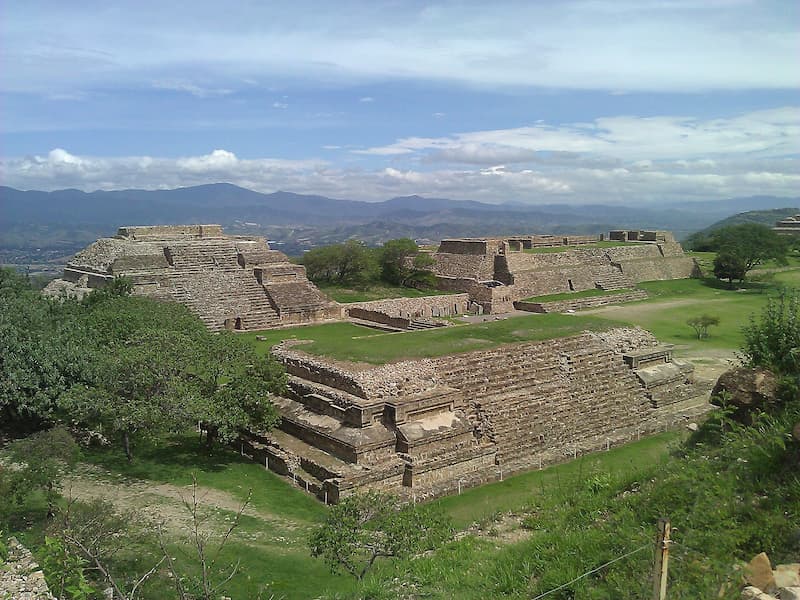
The Historic Centre of Oaxaca and Archaeological Site of Monte Albán, located in southern MEXICO, is a dual-component cultural property inscribed together. The Historic Centre of Oaxaca features a classic 16th-century Spanish colonial grid layout filled with grand green-stone religious and civic architecture, vibrant public plazas, and traditional markets. Just a few kilometers away, perched on an artificially leveled mountaintop overlooking the Central Valleys, lies Monte Albán, the majestic pre-Hispanic capital of the Zapotec civilization featuring sprawling plazas, pyramids, tombs, and stone bas-reliefs.
Attraction
Tourists worldwide are drawn to the region for its rich indigenous heritage and vibrant culture:
- Awe-Inspiring Ruins: Visitors to Monte Albán can explore ancient ball courts, astronomical observatories, and climb elevated platforms providing 360-degree panoramic views of the valley below.
- Cultural and Culinary Epicenter: Oaxaca City is globally renowned as the culinary heart of Mexico, famous for its distinct mole sauces, artisanal mezcal, bustling indigenous markets, and colorful folk art traditions.

World Heritage
Inscribed in 1987, the combined site was recognized for its Outstanding Universal Value:
- Mesoamerican Milestone: Monte Albán bears unique testimony to the genius of successive pre-Columbian civilizations (Olmec, Zapotec, and Mixtec) that shaped early writing, astronomy, and urban planning in Mesoamerica.
- Colonial Resilience: The Historic Centre demonstrates exceptional Spanish colonial urban layout and architectural adaptation, maintaining its integrity despite frequent regional earthquakes.
Gateway
Oaxaca City serves as its own direct gateway.
- Airport: Travelers fly into Xoxocotlán International Airport (OAX), located just a 15 to 20-minute drive from the city center.
- Lodging: The city offers an abundant selection of lodging options, ranging from intimate boutique hotels inside historic colonial courtyards to charming guesthouses.
When
- Late Autumn to Spring (November to April): This dry season offers the most comfortable weather for exploring outdoor ruins and walking the city streets.
- Late July: Ideal for experiencing the spectacular Guelaguetza festival, a massive celebration of traditional Oaxacan dance and music.
Consideration
- Altitude Acclimatization: Oaxaca City sits at roughly 1,550 meters and Monte Albán at nearly 1,940 meters above sea level; stay hydrated to avoid mild altitude fatigue.
- Footwear: Uneven cobblestones in the city center and steep, unpaved stone paths at the archaeological site require sturdy walking shoes.

Resources
- UNESCO World Heritage Centre: Official documentation detailing the heritage criteria and history of Oaxaca and Monte Albán.
- Visit Mexico Official Portal: National tourism board resource for regional travel itineraries and cultural events.
- Tours Oaxaca Guide: Comprehensive local insights covering archaeological highlights and practical visiting tips for Monte Albán.
- Oaxaca State Tourism Secretariat: Official regional portal for updates on local festivals, markets, and regional transit.
- World Heritage Travel: An independent travel planning guide offering practical logistics and recommendations.


Comments:
Leave a Reply