Historic St. George’s: Bermuda’s Colonial Legacy
The UNESCO World Heritage property titled “Historic Town of St George and Related Fortifications, Bermuda” is a British colonial urban and military complex located on the northeastern tip of the main archipelago of Bermuda, a British Overseas Territory of the UNITED KINGDOM in the North Atlantic Ocean. Settled in 1612 following the shipwreck of the Sea Venture in 1609, St. George’s is the oldest continuously inhabited English urban settlement in the New World.
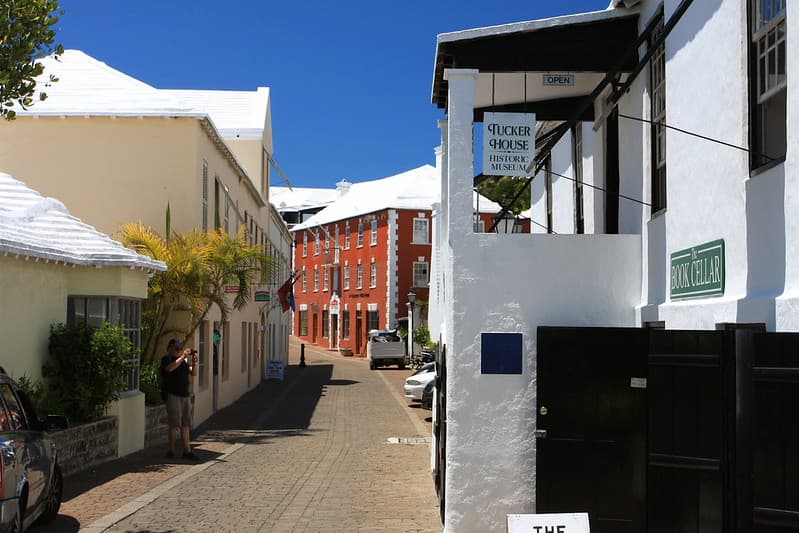
The site encompasses the historic core of St. George’s Town along with a defensive ensemble of over twenty coastal forts, redoubts, batteries, and magazines built between 1612 and 1939. The town’s spatial layout features narrow, winding lanes—such as Barber’s Alley and Maiden Lane—flanked by low-rise stone cottages painted in pastel shades. A defining architectural characteristic is the white, stepped limestone roofs, engineered to capture rainwater into subterranean cisterns. Notable monuments include St. Peter’s Church (consecrated in 1612, the oldest Protestant house of worship in continuous use in the Western Hemisphere), the 1620 State House, the Unfinished Church, and defensive structures such as Fort St. Catherine, Gates’ Fort, Fort George, and the remote Castle Islands Fortifications.
Attraction
This site draws international travelers by offering a living portal into early British transatlantic colonization set against a backdrop of turquoise Atlantic waters and subtropical greenery. Visitors experience a town where 17th-century street layouts and historic architecture remain fully integrated into everyday community life.
Key highlights include exploring Fort St. Catherine, a massive coastal fortress featuring historic tunnels, heavy artillery pieces, and replica British Crown Jewels. In King’s Square, tourists witness historical re-enactments featuring ducking-stool trials and costumed town criers. Visitors can walk the cobblestone alleyways, tour historical museum homes such as the Tucker House and Globe Hotel, and view the skeletal Gothic arches of the Unfinished Church. Additionally, the site combines rich history with leisure: visitors can walk directly from centuries-old battlements to pink-sand beaches at Tobacco Bay for snorkeling along coral reefs.

World Heritage
Inscribed on the UNESCO World Heritage List in 2000, the property fulfills cultural criterion (iv):
- Criterion (iv) – Outstanding Architectural and Military Ensemble: The site represents an outstanding, continuously occupied example of an early English colonial town in the New World. Furthermore, its extensive network of coastal fortifications provides an uninterrupted physical record illustrating three centuries of evolution in British coastal defense and military engineering from the 17th through the 20th centuries, adapting continuously to technological developments in naval artillery.
Gateway
Travelers bound for the site can utilize two practical gateway towns located within Bermuda (a British Overseas Territory), served by the territory’s primary international airport:
- St. George’s (Direct Municipal Gateway):
- Airport: L.F. Wade International Airport (IATA Code: BDA; ICAO Code: TXKF).
- Infrastructure: Located on St. David’s Island, just five kilometers from historic St. George’s. St. George’s serves as the immediate municipal base for visitors, featuring luxury resort accommodations (such as the St. Regis Bermuda Resort), historic guest houses, public bus lines (Routes 1, 3, 10, 11), harbor ferry connections, local taxi fleets, scooter rentals, and licensed historical walking tour guides.
- Hamilton (Capital Territorial Gateway):
- Airport: L.F. Wade International Airport (IATA Code: BDA; ICAO Code: TXKF).
- Infrastructure: Located 12 kilometers west of the airport and 15 kilometers west of St. George’s. As Bermuda’s capital city, Hamilton provides extensive hotel inventory, central bus and ferry terminals, car/scooter rental hubs, and organized island-wide excursion operators providing direct transit to St. George’s.
When
The optimal periods to visit St. George’s are Spring (April to June) and Autumn (September to October).
- Spring: Features ideal daytime temperatures ranging from 20°C to 25°C (68°F to 77°F), low humidity, pleasant ocean breezes, and comfortable walking conditions across historic stone streets and open fort ramparts.
- Autumn: Delivers warm weather (24°C to 28°C / 75°F to 82°F), warm water temperatures for ocean swimming at Tobacco Bay, fewer summer cruise crowds, and pleasant sightseeing weather.
- Summer (July to August): Characterized by warm, humid conditions exceeding 30°C (86°F) and higher tourist volume from visiting cruise ships.
- Winter (November to March): Brings cool, breezy days (16°C to 21°C / 60°F to 70°F), offering quiet streets and lower hotel rates, though water temperatures are cool for swimming.
Considerations
- Strict Vehicle Regulations: Non-residents are legally prohibited from renting standard automobiles in Bermuda. Visitors must navigate via public buses, passenger ferries, taxis, bicycles, electric scooters, or two-seater micro-electric rental vehicles.
- Currency and Cost of Living: The Bermuda Dollar (BMD) is pegged 1:1 with the US Dollar (USD), and US currency is accepted universally. Because nearly all goods are imported, accommodation, dining, and retail prices are relatively high.
- Attire and Etiquette: Casual beachwear and swimsuits are strictly restricted to beaches and pools; wearing swimwear in town centers, shops, or restaurants is considered disrespectful. Smart-casual attire is expected for dinner.
- Sun Exposure and Terrain: Exploring coastal forts like Fort St. Catherine involves walking on uneven stone surfaces and open battlements with limited shade; carry water, wear sturdy footwear, and apply sunscreen.
- Cruise Ship Schedules: Tourist crowding in King’s Square and Tobacco Bay fluctuates depending on whether cruise ships are docked in St. George’s or at the Royal Naval Dockyard.

Resources
- UNESCO World Heritage Centre: Official portal detailing site criteria, spatial boundaries, and conservation documentation.
- Go Bermuda: Official Bermuda Tourism Authority portal providing travel itineraries, historical overviews, and transport details.
- Bermuda National Trust: Official conservation organization managing historical properties, museums, and natural reserves.
- World Heritage UK: Official organization representing UK and Overseas Territory World Heritage sites.
- Trip.com: Global online travel booking marketplace offering guided historical walking tours, fort excursions, and booking packages.


Comments:
Leave a Reply