500 Years Without Logging: Romania’s Living Sanctuary of Ancient Beech Giants
The UNESCO World Heritage site titled “Ancient and Primeval Beech Forests of the Carpathians and Other Regions of Europe” is a transnational serial natural property spanning 18 European countries. The ROMANIAN components represent one of the most critical clusters of this ecosystem, encompassing over 23,000 hectares of primary and old-growth European beech (Fagus sylvatica) forests spread across eight distinct mountain locations along the Romanian Carpathians.
The protected Romanian forest clusters include Cheile Nerei-Beușnița, Codrul Secular Șinca, Codrul Secular Slătioara, Cozia Massif, Domogled-Valea Cernei, Groșii Țibleșului, Izvoarele Nerei, and Strâmbu Băiuț. Unbroken by modern logging roads, these virgin ecosystems showcase trees exceeding 350 to 500 years in age, towering canopy layers, decaying deadwood supporting rich fungal communities, and undisturbed soil profiles. The forests thrive in diverse topographies, ranging from low-altitude limestone gorges to steep alpine valleys, forming critical sanctuaries for Europe’s top predators, including Eurasian lynx, brown bears, and gray wolves.
Attraction
The site draws nature lovers, wilderness hikers, foresters, and ecological researchers seeking an encounter with Europe’s last remaining post-glacial primeval forests. Standing inside these ancient woodlands offers an immersive sense of stepping into a primordial continent unchanged since the last Ice Age.
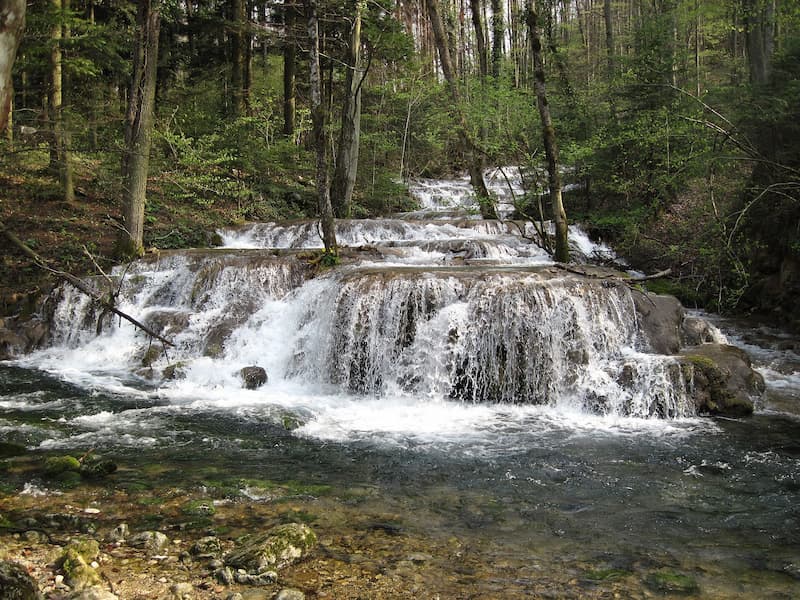
Visitors travel to Romania’s beech reserves to experience pristine natural solitude far removed from urban commercialization. Hikers explore designated forest trails where massive, moss-draped beech trunks rise above lush ferns, clear mountain streams, and roaring waterfalls like the Beușnița Cascade. Wildlife enthusiasts flock to national parks housing these UNESCO clusters—such as Cheile Nerei-Beușnița, Cozia, and Domogled-Valea Cernei—to observe diverse flora and fauna, spot endemic amphibians, and photograph dramatic seasonal transformations ranging from emerald spring leaves to glowing golden autumn canopies.

(Flori & Nicu Farcas, Wikimedia/CC BY-SA 4.0).
World Heritage
Inscribed on the UNESCO World Heritage List (Romanian clusters added in 2017) under Natural Criterion (ix), the property is recognized for its ongoing ecological and biological evolutionary processes:
- Criterion (ix) – Post-Glacial Expansion and Ecological Evolution: The site represents an essential physical record of the post-glacial expansion of the European beech from isolated refugia across Europe. The pristine Romanian clusters demonstrate uninterrupted ecological succession, structural complexity, genetic adaptability, and biological processes of a dominant tree species operating across a complete range of environmental conditions.
Gateway
Travelers planning a expedition to explore the Romanian components of the ancient beech forests can access the site via two practical Romanian gateway cities featuring public IATA-listed commercial airports searchable directly on IATA’s public directory, lodging options, transport infrastructure, and tour guide services:
- Suceava (Gateway to Northern Clusters – Slătioara & Maramureș):
- Airport: Suceava Ștefan cel Mare International Airport (IATA Code: SCV; ICAO Code: LRSV).
- Infrastructure and Distance: Located approximately 65 kilometers east of Codrul Secular Slătioara. As a major regional urban hub in Suceava County, SCV operates active commercial flights and is fully indexed on IATA’s public directory. Suceava provides lodging ranging from business hotels to traditional Bucovina guesthouses. Rental cars, local taxis, regional bus routes, and certified mountain guide services provide easy access into the Eastern Carpathian reserves.
- Cluj-Napoca (Gateway to Central & Western Carpathian Clusters):
- Airport: Cluj Avram Iancu International Airport (IATA Code: CLJ; ICAO Code: LRCL).
- Infrastructure and Distance: Situated in central Transylvania, approximately 150 to 200 kilometers from several forest components including Groșii Țibleșului, Șinca, and Cozia. CLJ is Romania’s second-busiest international airport, indexed on IATA’s directory with direct flights across Europe. Cluj-Napoca offers complete high-end lodging, car rental agencies, intercity rail links, and certified outdoor adventure operators running guided wilderness hikes.
When
The ideal windows to visit Romania’s primary beech forests are during Late Spring to Early Summer (May to July) and Autumn (September to October):
- Autumn (September to October): Highly recommended for photographers and hikers. The beech leaves transition into vibrant shades of orange, yellow, and red, while daytime temperatures remain mild (12°C to 18°C / 54°F to 64°F) with lower rainfall.
- Late Spring and Early Summer (May to July): Offers lush, vibrant green foliage, blooming forest flora, and full-flowing forest rivers and waterfalls fed by spring snowmelt. Daytime temperatures average 18°C to 24°C (64°F to 75°F).
- Winter (November to March): Cold (-5°C to 5°C / 23°F to 41°F) with heavy snowfall across mountain ranges; wilderness trails often require snowshoes or specialized winter gear, and accessibility along forest roads is restricted.
Consideration
- Strict Conservation Protections: As core World Heritage zones, strict conservation laws apply. Off-trail hiking, camping outside designated areas, picking flora, lighting fires, or dropping litter is strictly prohibited.
- Large Carnivore Safety: Romania’s mountain forests house Western Europe’s largest populations of brown bears and wolves. Carrying bear spray, making deliberate sound while walking, and using certified local mountain guides are essential safety measures.
- Footwear and Terrain: Navigating primary forests involves steep, unpaved dirt trails, slippery root networks, deadwood obstacles, and loose rock. Sturdy, waterproof hiking boots with excellent ankle support are mandatory.
- Navigation and Mobile Connectivity: Cellular signal inside deep mountain valleys and forest reserves is limited or non-existent. Travelers should carry offline GPS maps, physical topographic maps, a compass, and emergency satellite communicators.
- Currency and Payments: Transactions use the Romanian Leu (RON). Major hotels and restaurants in gateway cities accept credit cards, but carrying cash is necessary for rural guesthouses, local park entry fees, and mountain transportation.


Resources
- UNESCO World Heritage Centre: Official inscription portal detailing site boundaries, component listings, criteria evaluations, and state of conservation reports.
- European Beech Forests Official Portal: Comprehensive site dedicated specifically to the serial transnational property, featuring cluster maps, ecological research, and visitor guidelines.
- Romania National Tourism Portal (Romania Travel): Official national travel directory providing Carpathian mountain guides, national park itineraries, and transport information.
- Romsilva (National Forest Administration): Official state forestry administration site detailing national park regulations, trail access, and conservation news across Romanian forest reserves.
- GetYourGuide: Popular online travel marketplace offering bookings for guided hiking tours, bear-watching excursions, and day trips from Cluj-Napoca or Suceava into the Carpathians.
Featured Image
Cheile Nerei-Beusnita (Mary03101983, Wikimedia/CC BY-SA 3.0).

News Feed
Advertisement


Comments:
Leave a Reply