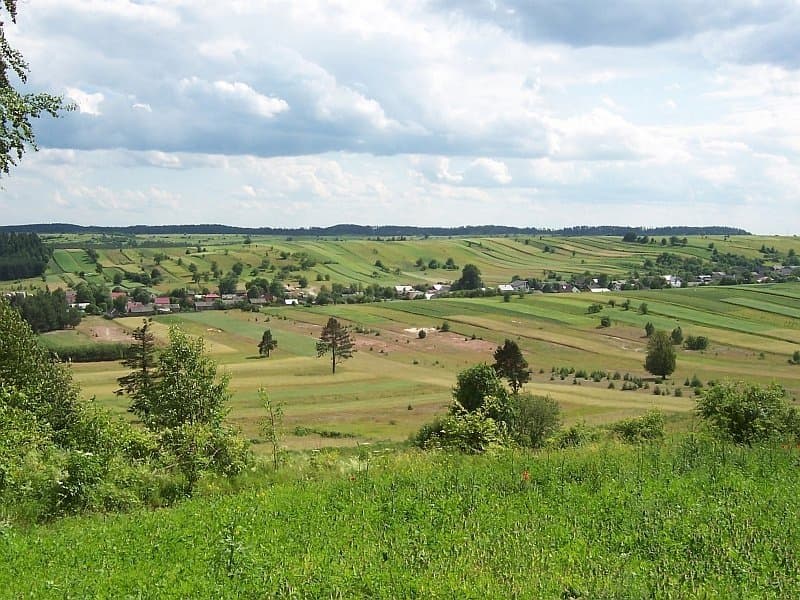
Peat bogs and limestone ridges shape Roztocze’s living mosaic
“Roztocze” (Roztocze Biosphere Reserve) is a 297,014-hectare terrestrial conservation and cultural landscape spanning southeastern POLAND across the Lublin and Subcarpathian (Podkarpackie) voivodeships, stretching along the scenic Roztocze range toward the Ukrainian border. Encompassing Roztocze National Park, four landscape parks, and surrounding rural municipalities, this gently rolling upland bridge separates the Lublin Upland and Sandomierz Basin.
Its varied geological structure combines western loess hills—featuring Poland’s highest density of wooded ravines per square kilometer—with central and eastern limestone ridges, ancient beech-fir forests, pine woods, peat bogs, and clear river valleys. Supporting rich flora, Polish Konik horses, birds of prey, and historic towns and villages, Roztocze unites pristine woodlands with traditional small-scale farming and multicultural borderland heritage.
Attraction
Roztocze attracts hikers, cyclists, kayakers, and heritage travelers globally who seek uncrowded forests, crystal-clear rivers, and historic eastern European towns.
Visitors paddle kayaks along the winding Wieprz and Tanew rivers, walk past the stepped rock cascades (Szumy) of the Nad Tanwią Nature Reserve, and cycle long-distance routes including the Green Velo trail. Travelers also hike old-growth beech-fir trails to Bukowa Góra, spot wild waterfowl at the Echo Ponds (Stawy Echo) and semi-wild Konik horses in Florianka, visit the iconic Church on the Water in Zwierzyniec, explore wooden Orthodox churches such as Radruż, and pair nature trips with the nearby Renaissance Old Town of Zamość.
Biosphere Reserve
Designated in 2019 under UNESCO’s Man and the Biosphere (MAB) Programme—forming a transboundary biosphere reserve together with Ukraine’s Roztochya Biosphere Reserve (designated in 2011)—Roztocze is recognized for cross-border ecological connectivity and sustainable rural development:
- Loess Ravines and Biogeographical Transition: Structured into core conservation zones, buffer zones, and transition areas, the reserve safeguards intact Carpathian beech-fir forests, peatlands, dense loess gorge networks, and rare flora and fauna.
- Sustainable Agro-Tourism and Cross-Border Cooperation: Guided by regional park authorities, municipalities, and local farmers, the reserve supports low-impact ecotourism, traditional orchards and beekeeping, environmental education, and joint Polish-Ukrainian conservation initiatives.
Gateway
Because the Roztocze Biosphere Reserve stretches between Lublin and Rzeszów in southeastern Poland, travelers enter via two proximate Polish aviation hubs—each verified in IATA’s official directory and offering overnight lodging, road or rail connections, and local tour guides:
- Lublin (Nearest Airport Hub in IATA Directory / Primary Northern Gateway):
- Airport: Lublin Airport (IATA Code: LUZ; ICAO Code: EPLB).
- Infrastructure and Distance: Located at Świdnik east of Lublin, roughly 70 to 105 kilometers (about 1 to 1.5 hours by road via the S17 expressway and regional roads toward Zamość, Szczebrzeszyn, and Zwierzyniec) northwest of Roztocze. LUZ is an active public international airport indexed in IATA’s directory, while Lublin and Zamość provide extensive hotels, car rentals, regional rail and bus links, and accredited nature guides.
- Rzeszów (Primary Southwestern Subcarpathian International Gateway):
- Airport: Rzeszów–Jasionka Airport (IATA Code: RZE; ICAO Code: EPRZ).
- Infrastructure and Distance: Located at Jasionka north of Rzeszów, roughly 85 to 125 kilometers (about 1.25 to 1.75 hours by road via the A4 motorway and regional routes toward Narol, Lubaczów, and Susiec) southwest of the southern Roztocze sector. RZE is an active public international airport listed in IATA’s directory, backed by abundant city hotels, car rentals, PKP rail links, and regional excursion operators.
When
The ideal window to visit Roztocze is from Late Spring to Autumn (May to October):
- Late Spring to Autumn (May to October): Recommended for kayaking, cycling, ravine walks, and birdwatching, featuring lush green beech canopies and wildflowers in May and June, warm summer temperatures of 18°C to 25°C (64°F to 77°F) ideal for river paddling, and golden autumn foliage in September and October.
- Winter and Early Spring (November to April): Brings crisp, quiet snow-dusted forests suited to cross-country skiing, winter wildlife tracking, and owl listening in old-growth stands.

Consideration
- Rent a Car or Bike for Flexible Trail and Village Access: While seasonal trains and buses connect Lublin, Zamość, and Zwierzyniec, reaching dispersed river kayak launches, waterfalls, and wooden churches is much easier by car or bicycle.
- Book River Kayaks and Park Entry Tickets Ahead in Summer: Wieprz River kayak rentals and Bukowa Góra trail passes in Roztocze National Park see high weekend demand in July and August; purchase national park tickets at the Zwierzyniec educational center or online.
- Bring Insect Repellent and Sturdy Footwear: Wooded river valleys, ponds, and humid loess ravines have mosquitoes and ticks from spring through autumn, while ravine paths can be steep and slippery after rain.
- Currency and Payments: The official currency is the Polish Złoty (PLN). Cards are widely accepted in towns and hotels, though carrying cash złoty helps at rural agritourism farms, parking lots, and small kayak operators.
Resources
- UNESCO Man and the Biosphere Programme (Roztocze Profile): Official UNESCO portal detailing boundaries, surface area, loess ravine ecology, and transboundary designation.
- Roztocze National Park Official Portal (Roztoczański Park Narodowy): Official managing authority website covering trail tickets, Bukowa Góra, Echo Ponds, Konik horses, and visitor regulations.
- Lublin Regional Tourism Organization (Lubelskie Travel): Official regional destination portal offering Roztocze itineraries, Zamość guides, cycling routes, and accommodation listings. (Website:
www.lubelskie.travel) - Podkarpackie Regional Tourism Board (Podkarpackie Travel): Official provincial travel resource highlighting southern Roztocze attractions, Green Velo cycling, and family guides.
- GetYourGuide: Online travel booking marketplace offering bookings for southeastern Poland day excursions, Zamość and Roztocze tours, and private transfers.


Comments:
Leave a Reply