Beyond The Gates: A Journey Through History, Memory And Remembrance
The UNESCO World Heritage site titled “Auschwitz Birkenau German Nazi Concentration and Extermination Camp (1940-1945)” is located in southern POLAND near Oświęcim, roughly 66 kilometers west of Kraków. Established by Nazi Germany in 1940, Auschwitz expanded into the largest concentration and extermination center of the regime. The complex comprises two primary preserved camps: Auschwitz I (the administrative camp) and Auschwitz II-Birkenau (the vast extermination camp built in 1941), along with the remains of Auschwitz III-Monowitz.
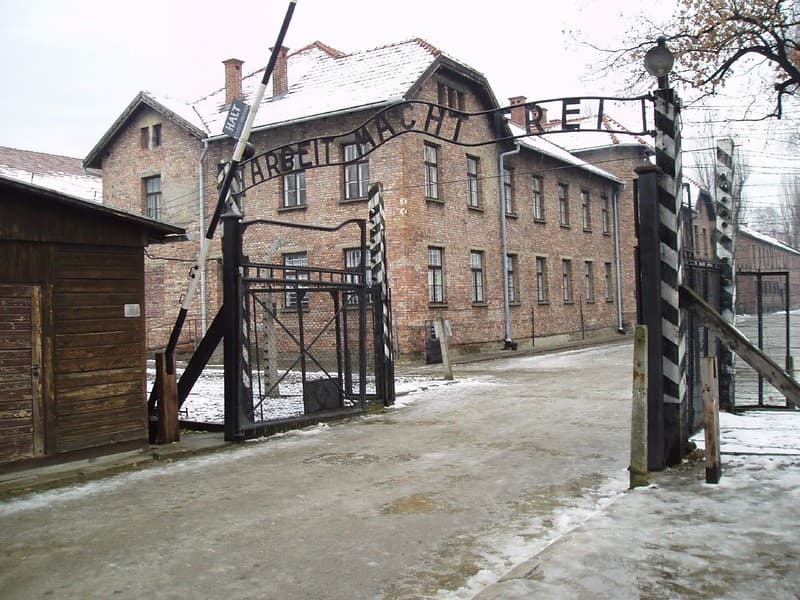
Auschwitz I served as the administrative hub, featuring brick barracks enclosed by double barbed-wire fences, watchtowers, and the entrance gate marked Arbeit Macht Frei (“Work Makes You Free”). Inside, intact buildings include Block 11 (the camp prison) and Block 10, alongside the camp’s first gas chamber and crematorium.
Auschwitz II-Birkenau, located three kilometers away, spans 175 hectares as the center of mass industrial murder during the Holocaust. It retains its iconic entrance watchtower, the central railway unloading ramp (Judenrampe), wooden barracks, and the ruins of four gas chambers dynamited by retreating Nazi forces in 1944.
Attraction
Auschwitz-Birkenau serves as one of the world’s most significant historical memorials, drawing over one million visitors annually. People travel from every continent not for conventional tourism, but for profound historical education, reflection, and solemn remembrance.
The site stands as the primary physical witness to the Holocaust, where at least 1.1 million people—over one million of whom were European Jews, alongside Polish prisoners, Romani, Soviet POWs, and others—were systematically murdered. Visitors come to pay homage, confront the realities of totalitarian hatred, and understand the mechanics of genocide. Guided educational tours walk visitors through authentic personal artifacts collected from victims, including eyeglasses, shoes, and luggage. This visceral connection to lives lost creates a powerful educational experience emphasizing universal human rights, empathy, and vigilance against discrimination.

World Heritage
Inscribed on the UNESCO World Heritage List in 1979 under Cultural Criterion (vi), Auschwitz Birkenau is designated for its profound symbolic value to humanity:
- Criterion (vi) – Association with Events of Universal Significance: The site is directly associated with the systematic, state-sponsored genocide of European Jewry and the mass murder of millions by Nazi Germany. It stands as physical evidence of a supreme crime against humanity, serving as an eternal warning against racism, anti-Semitism, xenophobia, and oppression. Preserving the authentic structures and landscape of Auschwitz-Birkenau is essential for maintaining global memory and educating future generations about the fragile nature of civilization.
Gateway
Visitors can conveniently access the memorial via two primary gateway cities in southern Poland featuring IATA-coded airports, transport links, and lodging options:
- Kraków (Primary Gateway):
- Airport: Kraków John Paul II International Airport (IATA Code: KRK; ICAO Code: EPKK).
- Infrastructure and Distance: Situated 66 kilometers east of Oświęcim, Kraków is the main gateway. KRK airport operates extensive direct international flights. Frequent trains connect Kraków Główny station to Oświęcim in 50 to 60 minutes, supplemented by direct express buses running from the central bus terminal directly to the visitor center. Kraków offers thousands of lodging options ranging from budget hostels to historic hotels, alongside tour operators providing guided transportation.
- Katowice (Secondary Gateway):
- Airport: Katowice Airport (IATA Code: KTW; ICAO Code: EPKT).
- Infrastructure and Distance: Located 55 kilometers northwest of Oświęcim, Katowice provides a convenient alternative hub with low-cost international air links. Buses, trains, and highway routes connect Katowice directly to Oświęcim in under an hour. Katowice features business hotels and transit amenities.
When
The recommended periods to visit the memorial are the shoulder seasons of Spring (April to May) and Autumn (September to October):
- Spring (April to May): Delivers moderate temperatures (12°C to 20°C / 54°F to 68°F) and manageable visitor traffic, allowing for a contemplative experience.
- Autumn (September to October): Offers dry weather and mild conditions (10°C to 18°C / 50°F to 64°F), with fewer student groups than peak months.
- Summer (June to August): Warm temperatures (22°C to 30°C / 72°F to 86°F), high visitor volume, and long security lines.
- Winter (November to March): Cold and snowy (0°C to 5°C / 32°F to 41°F). Though crowds drop, the freezing weather conveys the harsh conditions endured by prisoners.
Consideration
- Advance Pass Reservations: Entry requires reserving an Entry Pass in advance through the official site (visit.auschwitz.org). Guided tour passes sell out months ahead.
- Solemn Conduct: Visitors must maintain a respectful demeanor, quiet tone, and modest attire. Smoking, eating, alcohol, and photography in designated interior rooms are strictly forbidden.
- Strict Bag Size Limits: Bags brought onto the grounds must not exceed maximum dimensions of 30 x 20 x 10 centimeters. Larger bags must be placed in luggage storage.
- Security Screening: Guests undergo airport-style metal detectors and bag inspection before entry.
- Physical Demands: Visiting both sites involves walking several kilometers on gravel, stone, and grass. Comfortable walking shoes and weather protection are essential.
- Age Recommendation: Due to the horrific nature of the exhibits, the memorial recommends that children under 14 do not visit.

Resources
- Auschwitz-Birkenau State Museum Official Portal: Official management website for pass reservations and research.
- UNESCO World Heritage Centre: Official listing outlining historical criteria and preservation documentation.
- Poland Official Travel Portal: Official tourist office website with transit and accommodation details.
- Kraków Official Travel Portal: Municipal tourism portal providing local transit schedules and lodging options.
- GetYourGuide: Booking marketplace offering bookings for guided tours from Kraków to Auschwitz.


Comments:
Leave a Reply