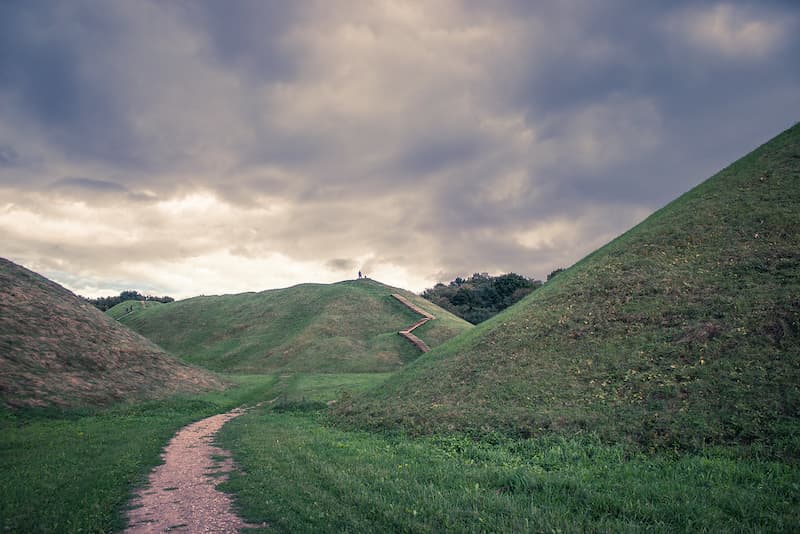
Kernavė bridges pagan tribal roots and medieval statehood
The UNESCO World Heritage site titled “Kernavė Archaeological Site (Cultural Reserve of Kernavė)” is a multi-layered historical complex situated in the scenic valley of the Neris River in Širvintos District, eastern LITHUANIA. Spanning approximately 194 hectares, the reserve preserves an exceptionally rich cultural landscape that records continuous human settlement in the Baltic region over a span of 11,000 years, from the Late Paleolithic period through the Middle Ages.
Known historically as the first documented capital of the Grand Duchy of Lithuania in the late 13th century, Kernavė features a iconic defense system centered around five impressive earthwork hill-forts (piliakalniai): Mindaugas’ Throne, Offer Hill, Castle Hill, Pypliai, and Kriveikiškės. The site encompasses the remnants of a thriving medieval craft town, unfortified settlements, burial sites, and ancient paved roads submerged in marshland. The cultural reserve contains extensive subterranean archaeological layers covered by natural turf, offering a rare window into the transition from pagan tribal traditions to a unified medieval Christian state.
Attraction
The Kernavė Archaeological Site draws historians, archaeologists, nature lovers, and cultural travelers seeking to experience one of Northern Europe’s most dramatic unfortified medieval landscapes.
Visitors travel to walk along wooden boardwalks and climb the steep wooden staircases leading to the summits of the five earthwork hill-forts, which offer breathtaking panoramic views across the winding Neris River valley and dense pine forests. Tourists explore the open-air archaeological museum, featuring full-scale, experimental reconstructions of 13th- and 14th-century wooden craft houses, workshops, and defensive palisades. Additionally, the site hosts the annual International Festival of Experimental Archaeology (“Days of Live Archaeology”), where international visitors watch master artisans recreate ancient crafts, forge iron tools, bake traditional flatbreads, and demonstrate medieval combat.

World Heritage
Inscribed on the UNESCO World Heritage List in 2004, the Kernavė Archaeological Site is recognized under Cultural Criteria (iii) and (iv) for its profound archaeological and historical significance:
- Criterion (iii) – Exceptional Testimony to Human Settlement: The property presents an exceptional physical testimony to the evolution of human settlements and land-use patterns in the Baltic region across 11 millennia. It holds unique evidence of both pagan pantheistic rituals and early Christian burial traditions.
- Criterion (iv) – Outstanding Example of Hill-Fort Architecture: The settlement layout and defensive hill-fort complex represent an outstanding example of defensive architectural development in Northern Europe, illustrating pre-Christian earthwork fortification engineering before the widespread adoption of stone castles.
Gateway
Travelers planning a visit to the Kernavė Archaeological Site can access the reserve via practical Lithuanian gateway locations featuring public IATA-listed airports searchable directly on IATA’s directory, lodging choices, transit infrastructure, and tour services:
- Vilnius (Primary Local Gateway / Nearest Airport):
- Airport: Vilnius International Airport (IATA Code: VNO; ICAO Code: EYVI).
- Infrastructure and Distance: Located approximately 35 to 40 kilometers southeast of Kernavė. VNO is an active public international aviation hub listed in IATA’s public directory. As Lithuania’s capital city, Vilnius provides complete lodging options ranging from luxury boutique hotels to budget hostels. Regular suburban buses, rental car services, taxis, and certified tour guides operate daily transfers directly from Vilnius to Kernavė.
- Kaunas (Primary Regional Secondary Gateway):
- Airport: Kaunas International Airport (IATA Code: KUN; ICAO Code: EYKA).
- Infrastructure and Distance: Located roughly 75 to 85 kilometers west of Kernavė. KUN is a major commercial airport indexed in IATA’s public directory. Kaunas offers extensive hotel infrastructure, rental car desks, passenger bus connections, and regional travel agencies conducting day tours to the Neris Regional Park and Kernavė.
When
The ideal window to visit Kernavė is during Late Spring to Early Autumn (May to September):
- Summer (June to August): Delivers pleasant, warm weather (18°C to 25°C / 64°F to 77°F) with long daylight hours. Early July is particularly vibrant as the site hosts the “Days of Live Archaeology” festival.
- Late Spring and Early Autumn (May and September): Offers mild, comfortable temperatures (12°C to 18°C / 54°F to 64°F) and lower tourist crowds. September brings vibrant autumn foliage across the Neris River valley, creating picturesque conditions for hiking over the hill-forts.
- Winter (December to February): Cold (-5°C to -12°C / 23°F to 10°F) with frequent snowfall; while snow-covered hill-forts present a scenic winter landscape, climbing icy wooden steps requires caution.
Consideration
- Physical Footwork and Stair Climbing: Navigating the reserve involves walking along grassy paths, dirt trails, and climbing numerous wooden staircases to ascend the steep hill-forts. Sturdy, comfortable walking shoes are essential.
- Museum Operating Hours: The Site Museum of Kernavė and the open-air wooden village exhibit have specific seasonal operating hours and may close on Mondays and Tuesdays during winter months.
- Tick and Sun Protection: Walking through high grass and wooded areas around the valley requires wearing insect repellent and long trousers to protect against ticks during spring and summer. High-SPF sunscreen and wide-brimmed hats are recommended for unshaded hilltops.
- Event Planning: If attending the “Days of Live Archaeology” in July, accommodation in Kernavė or nearby Vilnius should be booked well in advance due to high event attendance.
- Currency and Cash: The official currency is the Euro (EUR). While the museum ticket office and major Vilnius hotels accept credit cards, carrying Euro cash is advisable for small cafes, local transport, and local craft vendors.

Resources
- UNESCO World Heritage Centre: Official inscription portal detailing site boundaries, criteria evaluations, and state of conservation reports.
- State Cultural Reserve of Kernavė: Official administrative website providing museum admission fees, opening schedules, event calendars, and archaeological research details.
- Lithuania Travel Official Portal: Official national tourism website offering regional travel itineraries, transit connections, and accommodation directories for Širvintos and Vilnius.
- Vilnius Tourism Information Bureau: Official city travel portal featuring day-trip guidebooks, rental services, and transport schedules to Kernavė.
- Trip.com: Global online travel marketplace offering bookings for private guided day tours, driver transfers, and regional heritage excursions from Vilnius to Kernavė.


Comments:
Leave a Reply