The Fascinating Caves of Emilia-Romagna’s Northern Apennines
The UNESCO World Heritage site “Evaporitic Karst and Caves of Northern Apennines” is a serial natural property located across the Emilia-Romagna region in northern ITALY. Inscribed in 2023, the site comprises seven areas encompassing over 900 caves and stretching across more than 100 kilometers of subterranean passages. These geological formations represent the world’s first, most thoroughly researched, and most extensively documented epigenic evaporitic karst landscape.
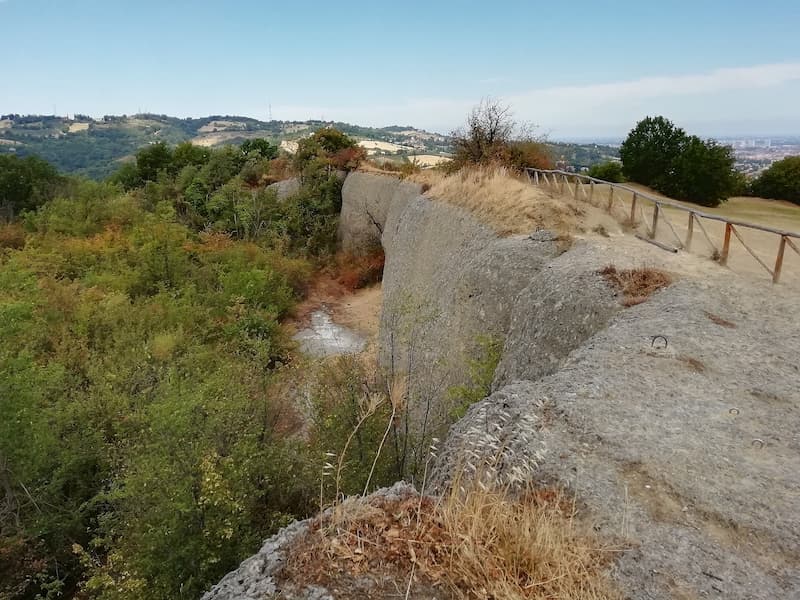
The site protects rare gypsum and anhydrite karst phenomena formed over millions of years through the dissolution of water-soluble evaporitic rocks. Key components include Vena del Gesso Romagnola Regional Park, Gypsum Outcrops of Bologna (Gessi Bolognesi), North Secchia Valley, South Reggio Hills, Gypsum Outcrops of Zola Predosa, Evaporites of San Leo, and Onferno Caves. Beneath the surface, the property houses underground rivers, deep vertical abysses like Abisso Fantini, cave labyrinths like Grotta della Spipola, and Europe’s highest-concentration saltwater springs. Above ground, dramatic gypsum ridges, sinkholes, gorges, and blind valleys shape an unusual, rugged terrain.
Attraction
The Evaporitic Karst and Caves of Northern Apennines attracts travelers, nature lovers, and speleology enthusiasts because it reveals an enchanted subterranean world concealed beneath the rolling hills of Emilia-Romagna. Visitors are drawn to the rare aesthetic contrast between green Apennine landscapes and glittering white, pink, and grey gypsum crystal outcrops.
Underground, guided cave excursions allow adventurous tourists to explore subterranean chambers adorned with giant gypsum crystals, delicate stalactites, and underground waterfalls. Notable locations like Grotta del Re Tiberio feature fascinating historical layers, preserving evidence of ancient human activity alongside natural rock formations. Above ground, panoramic hiking paths, such as the High Route of the Gypsum Vein (Alta Via dei Gessi), offer hikers vistas across vineyards, medieval castles like Brisighella and San Leo, and dramatic rocky escarpments. Additionally, the caves shelter crucial colonies of rare bat species, providing exceptional opportunities for eco-tourism and wildlife observation.

World Heritage
In 2023, UNESCO inscribed the property on the World Heritage List under Criterion (viii) for its natural value as an exceptional scientific example of Earth’s ongoing geological processes.
- Scientific Significance and Historical Research: This property is universally acknowledged as the birthplace of evaporitic karst study. Academic documentation of these caves dates back to the 16th century, establishing the foundation for global speleology.
- Unrivaled Evaporitic Phenomena: The property protects an exceptionally dense and well-preserved collection of karst features developed in gypsum rocks within a subtropical-humid climate. It encompasses the world’s deepest gypsum caves (reaching depths of 265 meters) and extraordinary hydrological systems fed by ancient saline aquifers.
- Witness to Earth’s Geological History: The gypsum deposits provide physical evidence of major Earth events, including the Messinian Salinity Crisis 5.5 million years ago, when the Mediterranean Sea evaporated and deposited massive salt layers. Subsequent tectonic uplift exposed these rocks, allowing subterranean waters to carve a unique landscape found nowhere else on Earth.
Gateway
Travelers exploring the Evaporitic Karst and Caves of Northern Apennines can utilize three practical Italian gateway cities equipped with active IATA-coded airports, established lodging options, transit infrastructure, and tour agencies:
- Bologna (Primary Regional Gateway):
- Airport: Bologna Guglielmo Marconi Airport (IATA Code: BLQ; ICAO Code: LIPE).
- Infrastructure:Located just 15 kilometers north of the Gessi Bolognesi site.Bologna is the capital of Emilia-Romagna, providing high-speed rail connections (Frecciarossa and Italo at Bologna Centrale), local TPER bus routes running directly to park trailheads, car rental hubs, extensive hotel inventory across all budgets, and licensed environmental guide services.
- Rimini (Eastern Coastal Gateway):
- Airport: Federico Fellini International Airport (IATA Code: RMI; ICAO Code: LIPR).
- Infrastructure: Situated 40 kilometers east of the Marecchia Valley and San Leo evaporitic sites. Rimini offers high-capacity coastal hotel inventory, car rentals, and regional train and bus services connecting to eastern Apennine foothills and tour operators.
- Forlì (Central Regional Gateway):
- Airport: Forlì “Luigi Ridolfi” Airport (IATA Code: FRL; ICAO Code: LIPK).
- Infrastructure: Located 30 kilometers east of Vena del Gesso Romagnola. Served by regional rail stopping in Faenza and Brisighella, Forlì provides convenient lodging, rental cars, and quick access to central gypsum park sites.
When
The ideal time to explore the Evaporitic Karst and Caves of Northern Apennines is during Spring (April to June) and Autumn (September to October).
- Spring and Autumn: These shoulder seasons offer pleasant daytime temperatures ranging between 15°C and 23°C (59°F to 73°F), providing ideal conditions for hiking along gypsum ridges and exploring nature trails. Spring brings lush greenery and wildflowers, while autumn provides crisp air and clear skies.
- Summer (July to August): Summer temperatures often exceed 30°C (86°F) on exposed ridge trails, though entering subterranean caves provides a cool retreat where temperatures remain constant around 10°C to 14°C (50°F to 57°F) year-round.
- Winter (November to March): Winters are cold and damp, bringing rain or occasional snow that can make surface hiking trails muddy and slippery.
Considerations
- Guided Tour Requirements: Due to strict environmental conservation rules, entry into protected cave interiors (such as Grotta del Re Tiberio or Grotta della Spipola) is generally restricted to official guided tours with advance reservations.
- Subterranean Gear and Temperature: Cave temperatures remain cool year-round (10°C–14°C). Visitors should bring warm layers, fleece jackets, and sturdy waterproof hiking boots with non-slip soles for damp, uneven surfaces.
- Preservation Rules: Gypsum is a soft, fragile mineral easily damaged by human contact. Touching speleothems, disturbing hibernating bat colonies, or straying from marked paths is strictly prohibited.
- Scattered Regional Layout:Because the seven sites are spread across four provinces (Reggio Emilia, Bologna, Ravenna, Rimini), renting a car is highly recommended for efficient travel between dispersed locations.

Resources
- UNESCO World Heritage Centre: Official UNESCO web page detailing the inscription criteria, property boundaries, and geological reports.
- Emilia-Romagna Tourism Board: Official regional tourism portal providing detailed visitor itineraries, regional park details, and transit info.
- Parco Regionale dei Gessi Bolognesi: Official park authority website providing guided tour schedules and trail maps for Bologna gypsum parks.
- Parco Regionale della Vena del Gesso Romagnola: Authority portal for visiting the Romagna Gypsum Vein caves and trails.
- Trip.com: Major travel platform offering community reviews, travel advice, hotel bookings, and affiliate tour reservations.


Comments:
Leave a Reply