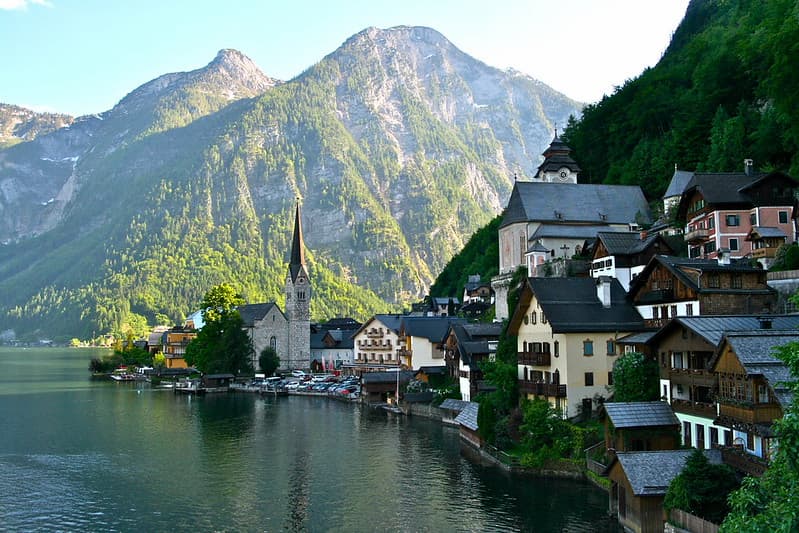
The Hallstatt-Dachstein / Salzkammergut Cultural Landscape is an iconic Alpine region in AUSTRIA where human activity and pristine nature have coexisted for millennia. It is a stunning fusion of towering, rugged mountain peaks, deep, fjord-like lakes, and historic settlements that have been shaped by the “white gold”—salt.
The region’s history is defined by its salt deposits, which have been mined since the Middle Bronze Age. This industry brought prosperity to the area, resulting in unique architectural developments and a cultural identity deeply tied to mining, forestry, and traditional Alpine farming (transhumance). The town of Hallstatt, famous for its steep, tiered houses and lakeside promenade, serves as the heart of this landscape, beautifully preserved in a Late Baroque style.
Attraction
- Iconic Scenery: The village of Hallstatt, nestled between steep mountain slopes and the glassy Lake Hallstatt, is one of the most photographed locations in Europe.
- Ancient History: Visitors are drawn to the world’s oldest salt mine and the prehistoric archaeological sites that reveal the foundations of the early Iron Age “Hallstatt Culture.”
- Outdoor Adventure: Beyond the village, the region offers the spectacular Dachstein massif, home to ice caves, the “5 Fingers” viewing platform, and extensive hiking and mountain trails.

World Heritage
Inscribed in 1997, the site is recognized for:
- Harmonious Human-Nature Interaction: It is an outstanding example of a landscape that has been transformed by humanity to extract a vital natural resource (salt) while maintaining a balanced, sustainable aesthetic over 2,500 years.
- Scientific and Archaeological Significance: The region provides a deep archive of human history, from the Bronze Age to the present, preserving evidence of mining techniques, social structures, and economic evolution.
Gateway
Salzburg is the most practical gateway city.
- Airport: Salzburg Airport (SZG) provides the easiest access to the region.
- Lodging: Salzburg offers extensive accommodation options for all budgets. From there, you can easily reach the Salzkammergut region via a scenic train or bus journey (approximately 2–3 hours) to towns like Bad Ischl, Obertraun, or Hallstatt itself, which also offer numerous hotels and guesthouses.
When
- May, June, and September: These months offer the best balance of pleasant, mild weather for hiking and fewer crowds than the peak summer months.
- October: Excellent for autumn foliage photography, with cooler temperatures and even thinner crowds.
- Note: July and August are peak tourist months; the village can become extremely crowded, so it is best to visit these areas very early in the morning or late in the afternoon.
Consideration
- Over-tourism: Hallstatt is a small, living village. Always respect local residents’ privacy and avoid entering private properties.
- Transportation: Parking in central Hallstatt is extremely limited and often reserved for locals. Using public transport (train or bus) is highly recommended.
- Weather: Alpine weather is unpredictable. Even in summer, bring a waterproof jacket and layered clothing for changing temperatures.
- Advance Planning: Book your accommodation and popular excursions (like salt mine tours or funicular rides) well in advance, especially for summer travel.

Resources
- Hallstatt.net – The official tourism portal for essential local information, parking, and logistics.
- UNESCO World Heritage Centre – Official documentation of the site’s historical significance and UNESCO status.
- Austrian UNESCO Commission – Provides in-depth information on the site’s preservation.
- Dachstein Salzkammergut Tourism – Useful for planning excursions to the mountains and nearby caves.
- Trip.com – Salzkammergut Hotels – A reliable platform for finding lodging in the region; this link uses affiliate marketing to support your travel planning.


Comments:
3 responses to “Hallstatt-Dachstein / Salzkammergut Cultural Landscape”
-
The region stretching from Salzburg to the Dachstein Mountains is so dang picturesque, it’s no wonder it’s been deemed a World Heritage Site. Stay in the village of Hallstatt, which sits on the drop-dead gorgeous Lake Hallstatt. Because you’re literally in a fairy tale, get around by bike or rowboat and then hop on a railway car to check out the sublime views of the salt caves (aka the world’s first salt mines).
-
To enjoy the best view of this postcard-perfect town, it is recommended to take a ferry ride across the peaceful lake. If not, follow one of the many hiking trails available or simply enjoy a tranquil retreat in one of the cosy cafes at the market square.
-
Beyond the scenery, the Gothic-style Catholic church in the center of the town is a main attraction. Spend your time walking around town and taking photos, and stop in at one of the local restaurants for traditional goulash soup and the Austrian cheesecake, a specialty and (in my opinion) one of the best things the Austrians make.
It’s possible to visit Hallstatt as a day trip from Salzburg, or as an overnight to enjoy the scenery. If you choose to stay overnight, Hallstatt is well-equipped to host you, and there are numerous highly rated pensions and holiday apartments to choose from.

Leave a Reply