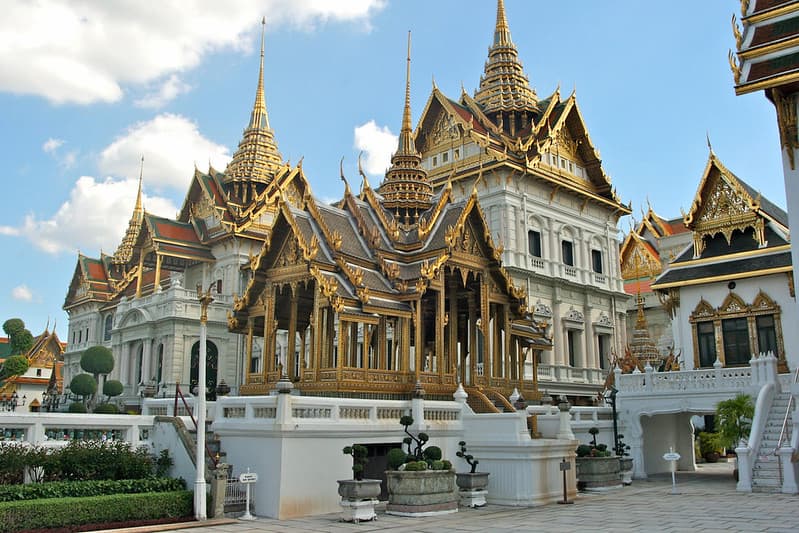
Chao Phraya heritage meets contemporary design across Bangkok’s districts
“Bangkok” (officially Krung Thep Maha Nakhon) is the capital, largest metropolis, and cultural, economic, and creative heart of THAILAND, spanning roughly 1,569 square kilometers across the fertile Chao Phraya River delta near the Gulf of Thailand. Divided by the Chao Phraya River into the historic Rattanakosin and Phra Nakhon core on the eastern bank and Thonburi on the western bank, the city features an intricate network of canals (khlongs), gilded royal temples, bustling historic commercial quarters, and contemporary architectural landmarks.
Home to over 10 million residents across the wider metropolitan region, Bangkok blends centuries-old Siamese royal traditions, Chinese and Indian trading heritage, and modern Southeast Asian urban design—ranging from historic Charoenkrung and Sampheng to vibrant contemporary hubs in Siam and Thonglor–Ekkamai.
Attraction
Bangkok attracts cultural explorers, food lovers, shoppers, and architecture enthusiasts globally as one of Asia’s most dynamic, accessible, and sensory-rich urban destinations.
Visitors tour iconic riverfront monuments including the Grand Palace, Wat Phra Kaew, Wat Pho, and Wat Arun, cruise historic canals by long-tail boat, and browse creative galleries and heritage shophouses along Charoenkrung Road and Talat Noi. Travelers also explore contemporary art museums, Chatuchak Weekend Market, Chinatown’s neon-lit street-food alleys in Yaowarat, innovative rooftop dining, and annual design festivals.
Creative City
Designated in 2019 as a UNESCO Creative City of Design within the UNESCO Creative Cities Network (UCCN), Bangkok is recognized for harnessing design, traditional craftsmanship, and creative industries as catalysts for sustainable urban development:
- Creative District Network and Adaptive Reuse: Led by the Creative Economy Agency (CEA) and the Thailand Creative & Design Center (TCDC) inside the historic Grand Postal Building, Bangkok revitalizes heritage neighborhoods—such as Charoenkrung, Bang Pho’s woodcraft quarter, and Ban Bat’s alms-bowl artisans—into living design ecosystems.
- Inclusive Urban Design and Global Events: Through initiatives like Bangkok Design Week, public transit wayfinding upgrades, and Green Bangkok 2030 urban park projects, the city integrates design literacy, circular economy innovation, and citizen engagement into everyday metropolitan life.
Gateway
Because Bangkok itself serves as Thailand’s primary aviation, rail, and road hub, travelers arrive directly inside the Bangkok Metropolitan Region via two active public international airports—both verified in IATA’s official directory and backed by vast overnight lodging, rapid transit, and licensed guides:
- Bangkok — Don Mueang (Nearest Airport to Central Bangkok / Primary Regional & Low-Cost Gateway):
- Airport: Don Mueang International Airport (IATA Code: DMK; ICAO Code: VTBD).
- Infrastructure and Distance: Located in northern Bangkok, roughly 21 to 24 kilometers (about 30 to 60 minutes by road via the Don Mueang Tollway or via the SRT Dark Red Line commuter rail to Krung Thep Aphiwat Central Terminal and MRT) north of central Bangkok. DMK is an active public international airport indexed in IATA’s directory serving domestic and regional Asian flights, supported by airport hotels, express buses (A1–A4), taxis, and city tour operators.
- Bangkok / Samut Prakan — Suvarnabhumi (Primary Long-Haul & Intercontinental International Gateway):
- Airport: Suvarnabhumi Airport (IATA Code: BKK; ICAO Code: VTBS).
- Infrastructure and Distance: Located at Bang Phli in Samut Prakan Province immediately east of Bangkok, roughly 28 to 30 kilometers (about 30 minutes via the Airport Rail Link train to Phaya Thai or 40 to 75 minutes by road via the Bangkok–Chon Buri Motorway) east of central Bangkok. BKK is Thailand’s largest active public international hub listed in IATA’s directory, offering extensive luxury and budget hotels, car rentals, direct rail links, and accredited local guides.
When
The ideal window to visit Bangkok is during the Cool, Dry Season (November to February):
- Cool, Dry Season (November to February): Recommended for walking tours, river cruises, outdoor temples, and Bangkok Design Week (typically held in early February), featuring lower humidity, minimal rainfall, and comfortable temperatures averaging 22°C to 32°C (72°F to 90°F).
- Hot Season and Rainy Season (March to October): March through May brings intense tropical heat often exceeding 36°C (97°F) around the April Songkran festival, while June through October brings warm afternoons with brief, heavy monsoon downpours.

Consideration
- Use Rail and River Transit to Beat Road Traffic: Bangkok’s expressways and avenues experience heavy congestion during rush hours; combine the BTS Skytrain, MRT subway, Airport Rail Link, and Chao Phraya Express Boats for fast, predictable travel.
- Follow Temple Dress Codes and Royal Etiquette: When visiting the Grand Palace, Wat Phra Kaew, and major temples, cover shoulders and knees (no sleeveless tops, shorts, or ripped jeans), remove shoes before entering prayer halls, and treat images of the Buddha and Thai monarchy with respect.
- Stay Hydrated and Guard Against Heat and Sun: Tropical heat and humidity remain high year-round; carry drinking water, wear breathable clothing and sunscreen, and schedule outdoor walking districts for morning or late afternoon.
- Currency and Digital Payments: The official currency is the Thai Baht (THB). Credit cards and QR payments are widely accepted at hotels, malls, and BTS/MRT ticket counters, while small baht notes and coins are essential for street food stalls, canal ferries, and taxis.
Resources
- UNESCO Creative Cities Network (Bangkok Profile): Official UNESCO portal detailing Bangkok’s Creative City of Design designation, objectives, and urban initiatives.
- Creative Economy Agency — Bangkok City of Design Portal: Official Thai managing agency site covering creative districts, Bangkok Design Week, and design projects.
- Tourism Authority of Thailand (TAT — Bangkok Destination Guide): Official national tourism portal featuring temples, cultural districts, festivals, and transit tips.
- Thailand NOW (Discovering the Creative Heart of Bangkok): Official public diplomacy portal highlighting Bangkok’s architecture, design heritage, and creative venues.
- Trip.com: Online travel booking marketplace offering bookings for Bangkok temple tours, Chao Phraya dinner cruises, Airport Rail Link passes, and cultural excursions.


Comments:
Leave a Reply