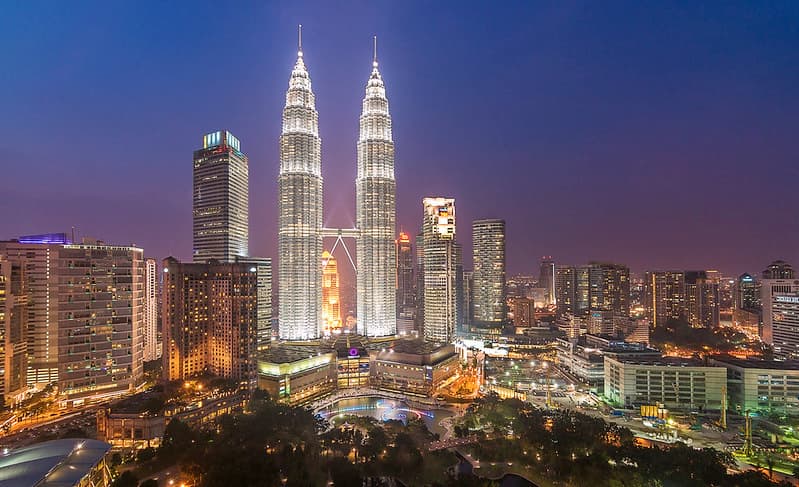
Kuala Lumpur blends colonial heritage with cutting-edge design
“Kuala Lumpur” is MALAYSIA’s national capital and largest metropolis, situated in the Klang Valley on the west coast of Peninsular Malaysia at the confluence of the Klang and Gombak rivers. Emerging in the mid-nineteenth century as a tin-mining settlement and growing into an administrative, commercial, and cultural powerhouse, the city brings together diverse Malay, Chinese, Indian, and indigenous influences within a fast-evolving tropical urban landscape.
Its skyline and streetscape blend soaring modern towers with Moorish-inspired colonial landmarks, historic shophouses, vibrant ethnic districts, lush urban parks, and riverfront corridors. Across neighborhoods such as Chinatown, Bukit Bintang, Kampung Baru, and Dataran Merdeka, Kuala Lumpur reflects decades of layered urban growth, architectural ambition, and multicultural street life.
Attraction
Kuala Lumpur attracts architecture lovers, food explorers, shoppers, and first-time Asian travelers globally who seek dramatic skyscrapers paired with rich street food and multicultural heritage.
Visitors gaze up at the iconic Petronas Twin Towers and Merdeka 118, stroll across the Saloma Link Bridge, and explore historic sites around Merdeka Square and Chinatown’s adaptive-reuse spaces such as Central Market and REXKL. Travelers also experience lively night markets, independent art galleries, urban botanical gardens, and a renowned culinary scene spanning street hawker stalls, heritage kopitiams, and contemporary restaurants.
Creative City
Designated as a UNESCO Creative City of Design within the UNESCO Creative Cities Network, Kuala Lumpur is recognized for placing design at the heart of its urban development, cultural life, and innovation:
- Design-Led Urban Regeneration: The city’s designation highlights heritage conservation and adaptive reuse—turning historic buildings and public spaces into active cultural hubs while improving walkability and civic connection.
- Creative Ecosystem and Capacity: Led by Kuala Lumpur City Hall (DBKL) alongside designers, architects, educators, and communities, Kuala Lumpur nurtures design talent, cross-sector collaboration, and international exchange across architecture, urban design, and creative industries.
Gateway
Kuala Lumpur functions directly as a major metropolitan gateway while pairing seamlessly with its neighboring Klang Valley aviation hub, supported by extensive hotels, rail and road transit, and licensed local guides:
- Subang / Petaling Jaya / Greater Kuala Lumpur (Nearest Airport Hub / Primary Local Gateway):
- Airport: Sultan Abdul Aziz Shah Airport (IATA Code: SZB; ICAO Code: WMSA).
- Infrastructure and Distance: Located roughly 15 to 25 kilometers (about 30 to 45 minutes by road or transit depending on traffic) west of central Kuala Lumpur. SZB is an active public airport listed in IATA’s directory, surrounded by wide-ranging hotels, car rentals, e-hailing, rail/bus links, and local tour guides.
- Kuala Lumpur / Sepang Metropolitan Region (Primary Metropolitan & International Gateway):
- Airport: Kuala Lumpur International Airport (IATA Code: KUL; ICAO Code: WMKK).
- Infrastructure and Distance: Located roughly 50 to 60 kilometers (about 45 to 60 minutes by expressway or rail) south of central Kuala Lumpur. KUL is a major active public international airport indexed in IATA’s directory, offering comprehensive accommodation across all budgets, express rail and highway links, and established tour operators.
When
The ideal window to visit Kuala Lumpur is during the Drier Months (January to March and June to August):
- Drier Months (January to March & June to August): Recommended for outdoor sightseeing, walking design and heritage trails, and photography, offering lower rainfall and warm tropical temperatures averaging 27°C to 33°C (81°F to 91°F).
- Inter-Monsoon Rainy Months (April to May & September to November): Brings frequent afternoon tropical downpours and high humidity, though shopping malls, museums, transit lines, and indoor dining remain convenient year-round.
Consideration
- Plan Around Peak Traffic and Rain: Road congestion peaks during weekday rush hours and sudden tropical downpours, so use rail lines (LRT, MRT, monorail, and airport rail links) for time-sensitive transfers and carry a compact umbrella or rain jacket.
- Sun Protection and Modest Attire: Wear breathable clothing, sunscreen, and comfortable walking shoes for warm streets, and dress modestly with respectful behavior when entering mosques, temples, and cultural sites.
- Advance Tickets for Popular Landmarks: Observation decks, cultural venues, and special exhibitions often require advance time-slot bookings during weekends and peak travel seasons.
- Currency and Payments: The official currency is the Malaysian Ringgit (MYR). Cards and e-wallets are widely accepted in malls and hotels, while small cash notes remain handy for street stalls and smaller vendors.

Resources
- UNESCO Creative Cities Network (Kuala Lumpur Profile): Official UNESCO portal detailing Kuala Lumpur’s designation as a Creative City of Design and its creative priorities.
- Kuala Lumpur City Hall (DBKL) Official Portal: Official municipal authority website providing city announcements, urban initiatives, and public information.
- Tourism Malaysia Official Portal: National tourism site offering Kuala Lumpur itineraries, attraction highlights, and transport guidance.
- Kuala Lumpur City Portal: Destination resource covering Kuala Lumpur architecture, cultural landmarks, and creative city developments.
- Trip.com: Online travel booking marketplace offering affiliate-supported bookings for Kuala Lumpur attraction tickets, guided city tours, and airport transfers.


Comments:
Leave a Reply