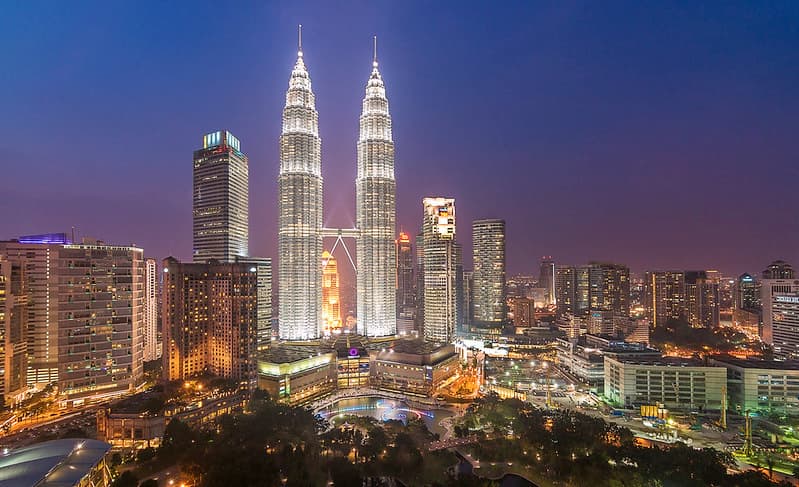
Kuala Lumpur, the vibrant capital of Malaysia, is a rapidly evolving metropolis that seamlessly blends its colonial past with a futuristic, design-driven future. It has transitioned from a historical trading post into a major global cultural and creative hub.
Kuala Lumpur (KL) is defined by its dramatic skyline, dominated by the iconic Petronas Twin Towers and the newly completed Merdeka 118 skyscraper. Beyond the modern steel and glass, the city preserves its historic core through “adaptive reuse,” where colonial-era shophouses in areas like Petaling Street and Central Market are transformed into boutique galleries, craft centers, and cafés. It is a melting pot of Malay, Chinese, and Indian cultures, reflected in the city’s architecture, festivals, and world-renowned street food scene.
Attraction
Kuala Lumpur is a magnet for international travelers for several reasons:
- Cultural Fusion: Visitors can experience the sensory richness of diverse neighborhoods, such as the vibrant bazaars of Chinatown (Petaling Street) and the aromatic spice markets of Little India (Brickfields).
- Architectural Diversity: The city offers a visual journey from Moorish-style heritage buildings like the Sultan Abdul Samad Building to futuristic, world-class landmarks like the Saloma Link Bridge.
- Affordable Luxury & Gastronomy: KL is consistently ranked as a top-tier destination for high-end dining and luxury shopping at a fraction of the cost found in other global capitals.
- Nature Within the City: The KL Forest Eco Park offers a rare experience—a preserved tropical rainforest located right in the middle of the skyscraper district, featuring a canopy walk above the treetops.

Creative City
In October 2025, Kuala Lumpur was officially designated as a UNESCO Creative City of Design.
- Design-Led Urbanism: The designation recognizes the city’s commitment to using design as a “concrete driver of development.” This includes projects like the revitalization of the riverfront, the creation of inclusive public spaces, and the integration of pedestrian-friendly infrastructure.
- Cultural Preservation: The UNESCO status celebrates KL’s unique approach to “adaptive reuse,” where the city honors its historic fabric by repurposing old buildings into spaces for modern creative industries.
- Creative Economy: It highlights the city’s thriving ecosystem for architecture, fashion, and digital design, serving as a hub where traditional artisans work alongside a new generation of tech-savvy designers.
Gateway
- Commercial Airport: Kuala Lumpur International Airport (KUL) serves as one of the busiest and best-connected aviation hubs in Asia, with major terminals (KLIA and klia2) providing seamless access to the city via the KLIA Ekspres train.
- Lodging: Kuala Lumpur offers a vast range of world-class accommodation, from luxury hotels in KLCC and the Bukit Bintang shopping district to historic boutique stays in the city’s downtown core.
When
- June to August: This is generally the best time for sightseeing, as it coincides with the drier southwest monsoon, offering more predictable weather for outdoor exploration.
- February: Often considered an excellent “budget” time to visit; it is one of the driest months, and the city is particularly vibrant during Chinese New Year celebrations.
Consideration
- Public Transport: Utilize the efficient LRT, MRT, and Monorail systems. The integrated Touch ‘n Go card is essential for seamless travel across buses and trains.
- Cultural Sensitivity: When visiting religious sites like the National Mosque (Masjid Negara) or Batu Caves, ensure you dress modestly (covering shoulders and knees). Many sites provide shawls for visitors.
- Safety: While generally safe, be vigilant regarding “snatch theft.” Avoid walking too close to the road and carry your bag on the side away from passing motorcycles. Use ride-hailing apps like Grab for safer, trackable transportation.
- Hydration: The tropical humidity can be intense. Carry a reusable water bottle, though it is best to drink filtered or bottled water rather than tap water.
Resources
- Kuala Lumpur City Hall (DBKL) – The official municipal portal for city news and urban development initiatives.
- Visit Malaysia (MOTAC) – The Ministry of Tourism, Arts, and Culture’s portal for official travel guides and standards.
- Think City – A key organization involved in the city’s “Creative KL” and heritage revitalization projects.
- Kuala Lumpur Tourism Association (KLTA) – The city’s primary tourism industry association.
- Trip.com – Kuala Lumpur Travel Guide & Bookings – A comprehensive platform for booking flights, hotels, and city tours.


Comments:
Leave a Reply