Ipoh celebrates creative music amidst towering limestone peaks
“Ipoh” is the capital city of Perak in northwestern Peninsular MALAYSIA, set within the Kinta Valley and ringed by dramatic limestone karst hills, former tin-mining lakes, and lush tropical greenery along the Kinta River. Rising to prominence during the late nineteenth and early twentieth centuries as the heart of Malaysia’s tin-mining boom, the city grew around wealthy mining magnates, colonial civic buildings, and bustling trading streets.
Today, Ipoh pairs a nostalgic old-town core of heritage shophouses, heritage railway architecture, and back-lane murals with a modern urban grid, hot springs, and towering karst outcrops housing Buddhist and Taoist cave temples. Its compact layout and cultural depth make it one of Peninsular Malaysia’s most distinctive heritage and creative cities.
Attraction
Ipoh attracts culinary travelers, heritage enthusiasts, street photographers, and nature seekers globally who value authentic local food, historic architecture, and karst scenery without overwhelming mega-city crowds.
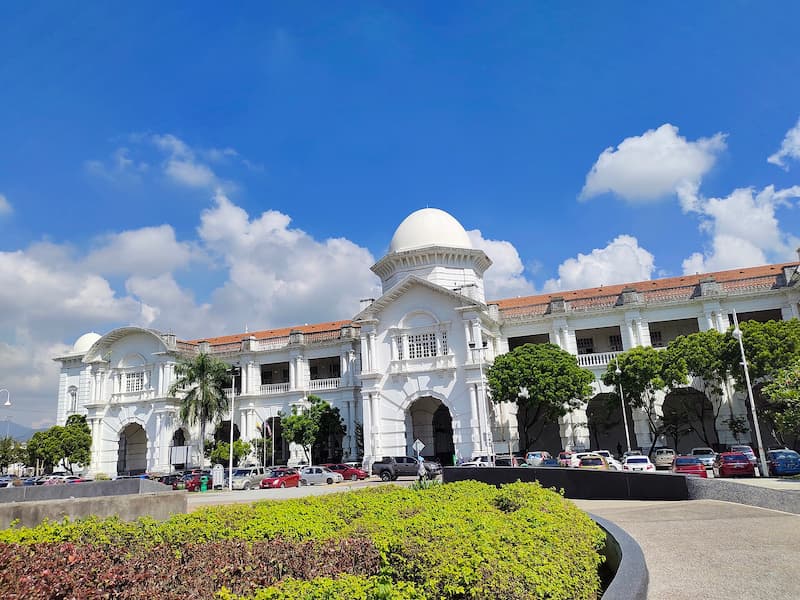
Visitors explore the Old Town’s heritage lanes and Concubine Lane, admire the Moorish-inspired Ipoh Railway Station and Birch Memorial Clock Tower, and visit limestone cave sanctuaries such as Kek Look Tong, Sam Poh Tong, and Perak Tong. Ipoh is also famous nationwide for white coffee, bean sprout chicken (nga choy kai), salt-baked chicken, sar hor fun noodles, and nearby hot springs and adventure parks in Tambun.
Creative City
Designated in October 2023 as a UNESCO Creative City of Music within the UNESCO Creative Cities Network, Ipoh is recognized for its deep-rooted musical identity and creative revitalization:
- Independent Music Heritage: Long regarded as a national cradle for independent rock and alternative music in Malaysia, Ipoh fosters a vibrant ecosystem of independent musicians, bands, producers, and labels.
- Urban Creative Regeneration: The city’s music designation supports independent artists, repurposes historic buildings for creative and cultural life, broadens income pathways in the local creative economy, and connects Ipoh with fellow Creative Cities worldwide for knowledge and practice exchange.
Gateway
Ipoh serves directly as its own primary urban gateway while sitting within easy reach of major northern and central Peninsular gateways supported by IATA-coded airports, lodging, transport networks, and local guides:
- Ipoh (Primary Local Gateway / Nearest Airport Hub):
- Airport: Sultan Azlan Shah Airport (IATA Code: IPH; ICAO Code: WMKI).
- Infrastructure and Distance: Located roughly 4 to 6 kilometers (about 10 to 25 minutes by road or local bus) from central Ipoh. IPH is an active public airport listed in IATA’s directory. Ipoh offers extensive hotels, boutique heritage stays, car rentals, e-hailing, rail links, and local tour guides.
- George Town / Bayan Lepas, Penang (Northern Regional Gateway):
- Airport: Penang International Airport (IATA Code: PEN; ICAO Code: WMKP).
- Infrastructure and Distance: Located approximately 150 to 165 kilometers (about 2 to 2.5 hours via the North–South Expressway) northwest of Ipoh. PEN is a major active public international airport in IATA’s directory, providing broad hotel options, express transport, car rentals, and tour operators.
- Subang / Petaling Jaya / Greater Kuala Lumpur (Southern Regional Gateway):
- Airport: Sultan Abdul Aziz Shah Airport (IATA Code: SZB; ICAO Code: WMSA).
- Infrastructure and Distance: Located roughly 180 to 195 kilometers (about 2 to 2.5 hours via the North–South Expressway) south of Ipoh. SZB is an active public regional airport in IATA’s directory, surrounded by wide-ranging lodging, car rentals, transit connections, and travel services.
When
The ideal window to visit Ipoh is during the Drier Months (January to March and June to August):
- Drier Months (January to March & June to August): Recommended for walking heritage trails, visiting limestone cave temples, and enjoying street food, offering lower rainfall and warm tropical temperatures averaging 26°C to 33°C (79°F to 91°F).
- Inter-Monsoon Rainy Months (April to May & September to November): Brings heavier afternoon tropical rain showers and high humidity, though indoor eateries, heritage cafés, and covered arcades remain easy to enjoy.
Consideration
- Plan Around Peak Weekend Crowds: Ipoh’s popular eateries, heritage lanes, and cave temples see heavy domestic surges on weekends and public holidays; start popular food stops early in the morning to avoid long queues.
- Sun Protection and Cave Etiquette: Pack sun hats, sunscreen, and comfortable walking shoes for warm streets and limestone temple steps; dress modestly and maintain quiet respect inside active temples.
- Check Cave and Attraction Hours: Some limestone cave temples and attractions have specific opening hours or rest days, so verify schedules ahead of your visit.
- Currency and Payments: The official currency is the Malaysian Ringgit (MYR). Carry small cash notes and coins alongside e-wallets or cards for hawker stalls, bakeries, and local transport.

Resources
- UNESCO Creative Cities Network (Ipoh Profile): Official UNESCO page outlining Ipoh’s designation as a Creative City of Music and its cultural priorities.
- Ipoh City Council (MBI) Official Portal: Official municipal authority website providing city information, local announcements, and urban initiatives.
- Tourism Perak Official Portal: Official state tourism website highlighting Ipoh attractions, heritage trails, food spots, and travel guides.
- Tourism Malaysia Official Portal: National tourism site featuring Peninsular Malaysia travel advice, regional itineraries, and transport details.
- Trip.com: Online travel booking marketplace offering bookings for Ipoh day tours, heritage excursions, and private transfers.
Featured Image
Ipoh Railway Station (Zahirul Nukman, Wikimedia/CC BY-SA 3.0).

News Feed
Advertisement


Comments:
Leave a Reply