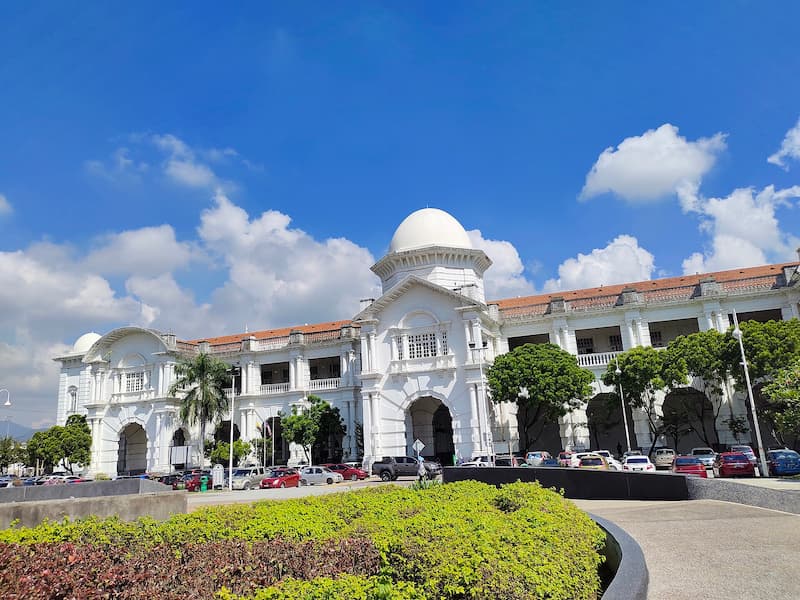
Ipoh, the capital of Perak, is a captivating city known for its rich colonial history, dramatic karst limestone landscapes, and status as one of Malaysia’s premier culinary destinations. Often referred to as “Penang’s relaxed younger brother,” it offers a blend of heritage, nature, and food that is distinctly its own.
Ipoh sits in the Kinta Valley, framed by spectacular limestone hills that harbor ancient, majestic cave temples. The city itself is a living museum, where grand colonial-era landmarks like the Ipoh Railway Station—often called the “Taj Mahal of Ipoh”—and the Town Hall stand alongside rows of traditional shophouses. Once a global powerhouse during the 19th-century tin-mining boom, Ipoh has evolved into a vibrant urban center that balances its historic charm with contemporary creative movements.
Attraction
- Culinary Excellence: Ipoh is world-renowned for its food. It is the birthplace of the famous Ipoh White Coffee and is celebrated for dishes like Nga Choy Kai (bean sprout chicken) and various dim sum styles that draw foodies from across the globe.
- Limestone Cave Temples: The city is surrounded by unique cave temples, such as Sam Poh Tong, Kek Look Tong, and Perak Cave Temple, which are built directly into massive limestone cliffs and feature intricate shrines and murals.
- Heritage & Street Art: The “Ipoh Heritage Trail” and areas like Concubine Lane provide an immersive look into old-world life, while vibrant contemporary street art murals have modernized the city’s alleyways.
- Gateway to Highlands: It serves as a major gateway for those heading to the cooler climates of the Cameron Highlands.

Creative City
In 2023, UNESCO recognized Ipoh as a Creative City in the field of Music. This designation honors:
- Cultural Vibrancy: Ipoh’s commitment to integrating music and cultural arts into its urban development strategy.
- Youth & Innovation: The city fosters a thriving independent music and arts scene, supported by local organizations like PORT (People of Remarkable Talents), which hosts festivals and symposia that position Ipoh as a hub for artistic expression and creative governance.
- Urban Identity: The UNESCO status acknowledges how the city leverages its artistic assets to enhance the quality of life for its citizens and to promote sustainable, people-centered urban planning.
Gateway
The city serves as its own primary gateway, well-integrated into Malaysia’s transport network.
- Commercial Airport: Sultan Azlan Shah Airport (IPH) provides domestic connectivity.
- Lodging: Ipoh offers a wide variety of accommodation, from upscale boutique hotels within heritage buildings in the Old Town to modern hotels and family-friendly guesthouses.
- Logistics: The city is highly accessible via the Electric Train Service (ETS) from Kuala Lumpur (approx. 2.5 hours) or via well-connected highways if traveling by car or bus.
When
- January to March: These are generally the drier months, making them ideal for outdoor temple visits and walking the heritage trails with less risk of rain.
- Lush Season: Visiting during the wetter months (April to December) offers the advantage of fewer crowds and stunning, lush greenery against the limestone cliffs, provided you don’t mind occasional tropical showers.
Consideration
- Dress Modestly: When visiting the cave temples, ensure you are dressed respectfully (covering shoulders and knees).
- Transportation: While the Old Town is walkable, utilizing ride-sharing apps like Grab is the most convenient way to reach the various cave temples and lakes scattered around the city’s outskirts.
- Rain Gear: Even in the dry season, tropical rain is common; carrying a compact umbrella or rain poncho is advisable.
- Weekends: If your schedule allows, try to visit over a weekend to experience the vibrant Memory Lane Flea Market (Sundays), which offers a unique glimpse into the city’s local culture and vintage treasures.
Resources
- Ipoh City Council (MBI) – Official city portal with information on local policies and tourism.
- Perak Tourism – The official state tourism site detailing heritage trails and local attractions.
- British Council – Malaysia Cultural Cities Profile – Provides a deep dive into the cultural and creative ecosystem of Ipoh.
- UNESCO Creative Cities Network – The official international site detailing why Ipoh was chosen for its musical contribution.
- Trip.com – Ipoh Hotels & Travel – A comprehensive travel platform for booking local stays and transport.
Featured Image
Ipoh Railway Station (Zahirul Nukman, Wikimedia/CC BY-SA 3.0).

News Feed
Advertisement


Comments:
Leave a Reply