Visit Nara: A Journey Through Ancient Japanese Culture
The UNESCO World Heritage property “Historic Monuments of Ancient Nara” is a remarkable collection of eight historic components located in and around the city of Nara, in Nara Prefecture, JAPAN. Established in 710 AD as Heijo-kyo, Nara served as the imperial capital of Japan during the formative Nara Period (710–784 AD). During this era, Japanese political, administrative, and religious institutions underwent rapid development, drawing profound inspiration from Tang Dynasty China while establishing a distinct national cultural identity.
The World Heritage property covers 617 hectares and comprises five Buddhist temples, one Shinto shrine, one archaeological site, and a sacred natural landscape:
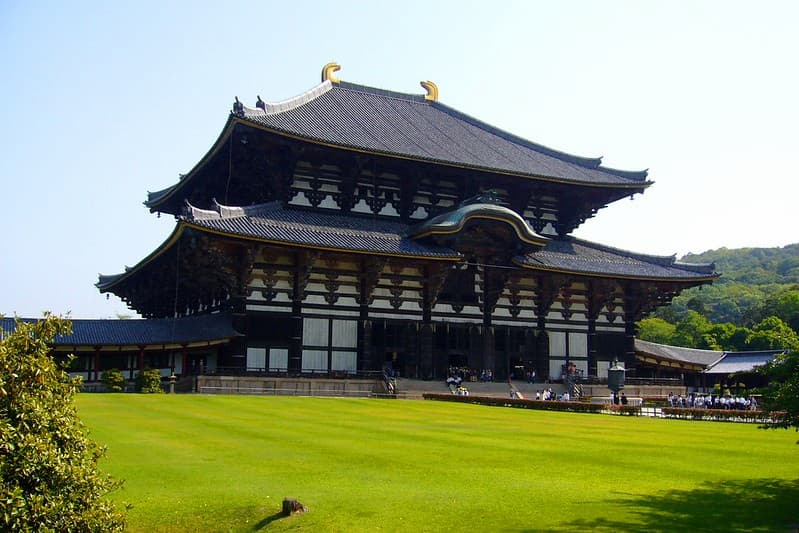
- Todai-ji Temple: Home to the Daibutsu (Great Buddha), a colossal monumental bronze statue housed inside the Daibutsuden (Great Buddha Hall), historically recognized as one of the largest wooden buildings in the world.
- Kofuku-ji Temple: The tutelary temple of the powerful Fujiwara clan, famous for its elegant five-story timber pagoda and valuable collection of Buddhist sculpture.
- Kasuga-Taisha Shrine: Nara’s most celebrated Shinto shrine, renowned for its brilliant vermilion architecture and thousands of bronze and stone lanterns donated by worshipers over centuries.
- Kasugayama Primeval Forest: An ancient, protected forest sanctuary adjacent to Kasuga-Taisha, preserved for over a millennium as sacred ground where hunting and logging have been strictly prohibited.
- Gango-ji Temple: One of Japan’s oldest Buddhist temples, preserving ancient roof tiles dating back to the 6th century.
- Yakushi-ji Temple: Famous for its architectural symmetry, housing two three-story pagodas and rare late 7th-century Buddhist bronzes.
- Toshodai-ji Temple: Founded in 759 AD by the famous Chinese monk Ganjin, featuring sublime classical Nara-period wooden architecture.
- Nara Palace Site (Heijo Palace): The archaeological remains of the ancient imperial palace complex, featuring reconstructed monumental gates and administrative halls.
Attraction
Nara attracts millions of international tourists each year because it offers an authentic, serene journey into the deep origins of Japanese civilization and spirituality. Unlike modern high-tech urban centers, Nara retains a tranquil, atmospheric environment where ancient wooden temples, quiet gardens, and traditional streets exist harmoniously alongside nature.
A major highlight for international visitors is the unique experience of exploring Nara Park, where over 1,000 free-roaming, semi-tame Sika deer wander freely among ancient temple grounds and forest pathways. In traditional Shinto belief, these deer are regarded as sacred divine messengers of the Kasuga-Taisha Shrine. Visitors can purchase special rice-bran deer crackers (shika senbei) and interact with the deer, which have famously learned to bow politely to request treats. Beyond the park, travelers gather to marvel at the sheer architectural scale of Todai-ji, experience traditional seasonal festivals, explore historic merchant districts such as Naramachi, and appreciate world-class collections of ancient Asian art and wooden craftsmanship.

World Heritage
In 1998, UNESCO inscribed the Historic Monuments of Ancient Nara on the World Heritage List under cultural criteria (ii), (iii), (iv), and (vi).
- Interchange of Cultural Values (Criterion ii): The monuments demonstrate the profound artistic, architectural, and religious exchange between Japan, China, and the Korean Peninsula during the 8th century, which established the foundation for subsequent Japanese artistic traditions.
- Exceptional Cultural Testimony (Criterion iii): The property provides an unrivaled physical testimony to the political, cultural, and spiritual flourishing of Japan during the Nara Period, when a centralized state governed from Heijo-kyo.
- Outstanding Architectural Ensemble (Criterion iv): The temples, shrines, and palace remains represent an outstanding ensemble illustrating the pinnacle of early Japanese wooden architecture and urban planning.
- Association with Living Traditions (Criterion vi): The site is directly associated with living religious traditions, combining Shinto nature worship and Mahayana Buddhism into a unified spiritual landscape that persists to this day.
Gateway
The primary gateway city serving the site is Osaka, the major economic and transport hub of the Kansai region. Osaka sits roughly 30 to 35 kilometers west of Nara and provides extensive rail infrastructure, connecting travelers directly to Nara Station via the JR Yamatoji Line or Kintetsu Railway in approximately 35 to 45 minutes.
Osaka is served by two major IATA-coded aviation gateways:
- Kansai International Airport (IATA Code: KIX; ICAO Code: RJBB), a large 24-hour international hub located on an artificial island in Osaka Bay, offering direct express airport bus services and train connections to Nara.
- Osaka International Airport / Itami (IATA Code: ITM; ICAO Code: RJOO), which handles extensive domestic flight traffic.
Osaka and Nara both offer abundant overnight lodging options spanning luxury international hotels, traditional Japanese inns (ryokan), modern business hotels, and budget guesthouses.
When
The best time to visit Ancient Nara is during the Spring (March to May) and Autumn (October to November).
- Spring: Brings pleasant daytime temperatures ranging from 12°C to 22°C (54°F to 72°F). Late March to early April coincides with the cherry blossom (sakura) season, framing ancient pagoda roofs and parklands in delicate pink blooms.
- Autumn: Offers crisp, dry weather with temperatures averaging 14°C to 20°C (57°F to 68°F). November brings stunning red and golden autumn leaves (koyo) across Nara Park, Kasugayama Forest, and temple gardens.
- Other Seasons: Summers (July–August) are hot, humid, and rain-heavy, while winters (December–February) are chilly but offer quiet, uncrowded sightseeing.
Considerations
- Interaction with Wild Deer: While the sika deer in Nara Park are accustomed to humans, they remain wild animals. Visitors should feed them only official shika senbei crackers and exercise caution, as deer may occasionally nip at clothing, bags, or paper maps when expecting food.
- Extensive Walking Requirements: Sightseeing across Nara Park, temple grounds, and the Heijo Palace site involves walking long distances on gravel trails, stone steps, and unpaved forest paths. Comfortable walking shoes are essential.
- Operating Hours and Timing: Most temple halls and shrine treasure houses close between 16:30 and 17:00. Arriving early in the morning allows visitors to explore major sites like Todai-ji comfortably before peak tour groups arrive.
- Temple Etiquette: Visitors must dress respectfully at sacred locations and remove footwear before stepping onto wooden hall floors or tatami mats.

Resources
- UNESCO World Heritage Centre: Official UNESCO repository containing technical inscription records, site maps, and criteria documentation.
- Official Nara Travel Guide (Nara Visitors Bureau): Official municipal travel portal offering local maps, event calendars, and temple guides.
- Japan National Tourism Organization (JNTO): Official national tourist board providing transport advice, cultural rules, and travel itineraries.
- Nara Prefectural Government Official Website: Regional government portal detailing cultural heritage conservation and regional historical background.
- Trip.com: Major global travel platform featuring community reviews, travel forums, hotel reservations, and local tour bookings.


Comments:
Leave a Reply