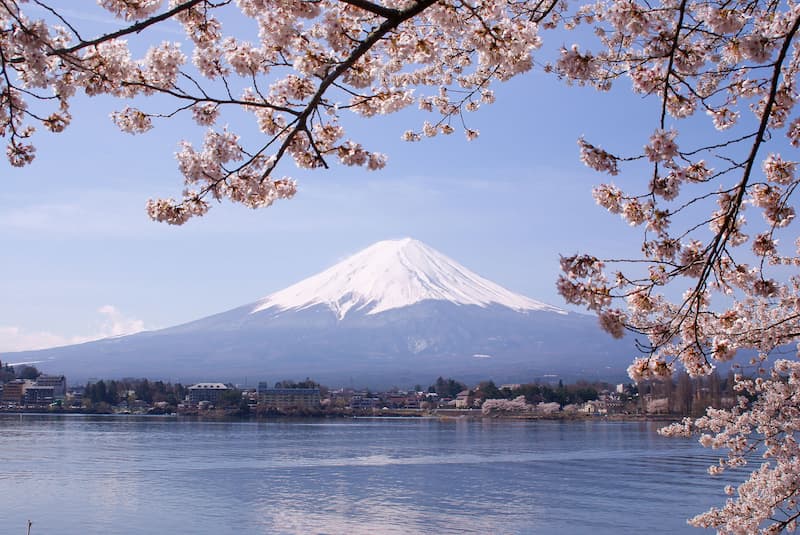
Fujisan, Sacred Place and Source of Artistic Inspiration is an iconic cultural landscape in JAPAN that encompasses the majestic Mount Fuji and its surrounding historical sites. Standing at 3,776 meters, it is Japan’s highest peak and a symbol recognized globally for its near-perfect volcanic symmetry.
The UNESCO designation is not for the mountain alone, but for a collection of 25 sites that represent its deep historical and spiritual significance. These include the summit itself, various Sengen-jinja shrines at its foothills, “Oshi” lodging houses that historically accommodated pilgrims, lava tree molds, and the scenic Fuji Five Lakes.
Attraction
- Cultural Iconography: Generations of artists, including Katsushika Hokusai and Utagawa Hiroshige, immortalized the mountain in woodblock prints. These works profoundly influenced Western art, making the mountain an instantly recognizable global icon.
- Spiritual Legacy: For centuries, it has served as an object of worship for both Shinto and Buddhist practitioners, drawing those interested in traditional Japanese spirituality and history.
- Recreational Beauty: Beyond the mountain’s summit, visitors are drawn to the Fuji Five Lakes (Fujigoko) region for hiking, hot springs, and the breathtaking seasonal contrast of snow-capped peaks against cherry blossoms or autumn foliage.

World Heritage
Inscribed in 2013, the site was recognized for its “Outstanding Universal Value” based on two key pillars:
- Object of Faith: It has been a sacred mountain for centuries, serving as a center for religious asceticism and pilgrimage.
- Source of Artistic Inspiration: It has been a muse for poets, painters, and writers since the 8th century, profoundly shaping the Japanese aesthetic and perception of nature.
Gateway
Tokyo is the primary international gateway.
- Commercial Airport: Narita International Airport (NRT) and Haneda Airport (HND) both provide seamless access to the region.
- Logistics: From Tokyo (Shinjuku Station), travelers can take the Fuji Excursion train directly to Kawaguchiko Station, or choose from various highway buses that run from Shinjuku Expressway Bus Terminal to the Fuji Five Lakes area. These hubs offer abundant lodging, from luxury resorts to traditional inns.
When
- For Views: December and January offer the clearest, most unobstructed views of the peak as the air is dry and crisp.
- For Climbing: The official climbing season is strictly early July to early September. During this time, weather is most favorable, and mountain huts are open.
- For Scenery: Spring (late March to early April) provides iconic views of cherry blossoms, while autumn (October to November) offers vibrant foliage.
Consideration
- Weather Variability: Visibility is not guaranteed; the mountain is frequently obscured by clouds. Plan for multiple days in the area to increase your chances of a clear view.
- Climbing Safety: Mount Fuji is a high-altitude peak. If you plan to climb, you must prepare for sudden weather changes, extreme wind, and cold temperatures. Advanced registration and fees may apply for certain trails.
- Etiquette: The mountain is a sacred site. Respect designated paths, do not remove volcanic rock, and follow local “leave no trace” policies.

Resources
- Fujisan Climbing (Official) – The mandatory source for trail conditions, safety alerts, and climbing registration.
- UNESCO World Heritage – Fujisan – Official documentation of its UNESCO status.
- JNTO: Mount Fuji Guide – Comprehensive travel advice from the Japan National Tourism Organization.
- Fujisan World Cultural Heritage Council – Deep dives into the history, art, and faith associated with the site.
- Booking.com – Mount Fuji Accommodations – Use this platform to compare and book stays near the Five Lakes.
Featured Image
Mount Fuji, with Lake Kawaguchiko at the foreground (Midori, Wikimedia/CC BY 3.0).
News Feed
Advertisement


Comments:
4 responses to “Fujisan, sacred place and source of artistic inspiration”
-
Shiraito no Taki. It was quite easy to see why it’s on the UNESCO World Heritage list. It’s a truly beautiful work of natures art, very picturesque, inspiring and soothing for the soul. It was very nice also to see people going down and sitting on the rocks in the river Shibakawa beneath the waterfall and I did the same. I was quite taken in by the waterfall.
-
I managed to see some of the countryside around Mount Fuji, about an hour’s train ride from Tokyo. I climbed part way up Mount Fuji (you don’t have to go far to see scenery worth the effort); I visited the Itchiku Kubota Art Museum, which owns 80 beautiful tie-dyed silk kimonos that were Kubota’s lifelong passion.
Early one morning, I visited Shiraito Falls. A monsoon had blown in the day before my arrival so a dozen or more chutes gushed and roared into a small lake. I was the only one to witness this spectacle when I stumbled upon it. Eventually, a few people trickled in and had it not been for these interlopers I would have stayed longer. How often do you get to enjoy a World Heritage Site all by yourself?
After a long day of hiking, I arrived at my hotel, where my room came with a large private onsen – a plunge bath fed by hot springs – on the room’s terrace, from which there was a view of Mount Fuji. I was neck deep 60 seconds after the man who showed me to my room had left. I rushed back from dinner so I could marinate in it again in the moonlight. And I steeped in it again before breakfast the following morning. I couldn’t have asked for a simpler pleasure.
For a more pleasant landscape, I took a bike ride with an ecotour company through the farm country around Mount Fuji, along roads empty of people and vehicles, the only sounds provided by chirping birds and water rushing along irrigation canals and small streams. My friends and I encountered a very old woman wearing a quilted lavender kimono, shuffling along in the middle of the road. She greeted us by spontaneously singing some folk songs about the joys of the nature in these parts. Her impromptu concert finished, she smiled, bowed, and sent us off with a “domo domo” (which means different things depending on the context, such as “thanks” or “good day”, but each time I used the expression later in my trip people laughed; I’m still not sure why).
-
What would a trip to Japan be without a visit to Mount Fuji? A visit to Mount Fuji will be an instant highlight for any Japanese trip. For the complete experience, I recommend visitors check out the northern slopes of Mount Fuji and the Fuji Five Lakes (Fuji Goko). From east to west, you’ll see Lake Yamanaka, Lake Kawaguchi, Lake Sai, Lake Shōji, and Lake Motosu, which were all formed by the damming effects of lava flows.
-
“A wise man will climb Mt Fuji once; a fool will climb Mt Fuji twice.” If you are going to pay heed to this old Japanese saying, you had better time your ascent carefully. Climbing Mt Fuji overnight in order to watch the sunrise over the summit is one of the most popular ways to experience the mountain, but, as the saying would suggest, it’s not easy. If you would prefer not to rush, spreading the climb over a couple of days offers the opportunity to spend more time taking in the views and makes for a less challenging excursion. Booking a tour with a local guide ensures you’re in safe hands and that logistics, such as accommodation and meals, are taken care of. You can even reward yourself for your efforts by soaking tired legs in an onsen afterward.

Leave a Reply