The following are the heritage sites, grouped into recommended gateway cities. This may help in planning on the logistics (travel and accommodation) of your journey.
DJERBA (DJE)
Djerba, Tunisia’s “Island of Dreams,” is a Mediterranean crossroads where Berber, Arab, and Jewish cultures have coexisted for centuries. Recently inscribed as a UNESCO World Heritage site, the island is famed for its whitewashed villages and the ancient El Ghriba Synagogue, one of the oldest in Africa. Visitors can explore the vibrant murals of Djerbahood in Erriadh, wander the spice-scented souks of Houmt Souk, or visit the pottery workshops of Guellala. With its palm-fringed beaches and unique “menzel” architecture, Djerba serves as both a tranquil seaside retreat and a gateway to the Saharan adventures of Southern Tunisia.

TUNIS (TUN)
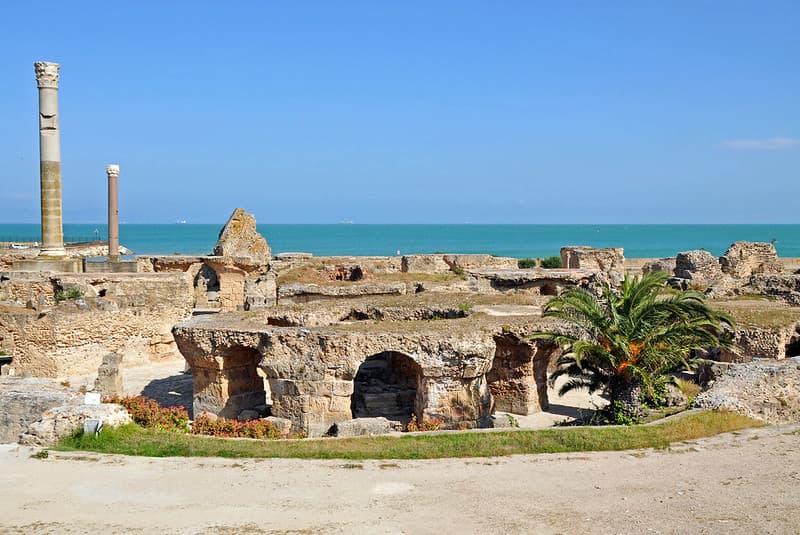
Tunis, the sprawling capital of Tunisia, is a captivating intersection of Mediterranean flair and deep African roots. At its heart lies the UNESCO-listed Medina, a dense labyrinth of 7th-century alleys, ornate doorways, and the historic Zaytuna Mosque. To the east, the sun-bleached ruins of Carthage offer a window into a legendary Punic and Roman past, while the nearby clifftop village of Sidi Bou Said charms with its iconic blue-and-white architecture. Travelers can explore the world’s finest Roman mosaics at the Bardo National Museum or enjoy the cosmopolitan energy of the French-influenced Ville Nouvelle, making Tunis a premier cultural gateway.


Comments:
Leave a Reply