The Colonial City of Santo Domingo, commonly known as the Zona Colonial, is the historic heart of the Dominican Republic’s capital. Founded in 1498 by Bartholomew Columbus, it holds the distinction of being the first permanent European settlement in the “New World” and served as the blueprint for almost all subsequent Spanish colonial urban planning in the Americas.
The site is a compact, 11-block district located on the western bank of the Ozama River. It is defined by its rigorous “checkerboard” grid layout—a Renaissance ideal that was first implemented here before spreading across the continent.
The architecture is a fascinating blend of Late Gothic, Mudéjar, and Renaissance styles. Key landmarks include:
- Alcázar de Colón: The fortified palace of Diego Columbus (son of Christopher).
- Cathedral of Santa María la Menor: The first cathedral in the Americas, featuring a stunning golden-tinted coral limestone facade.
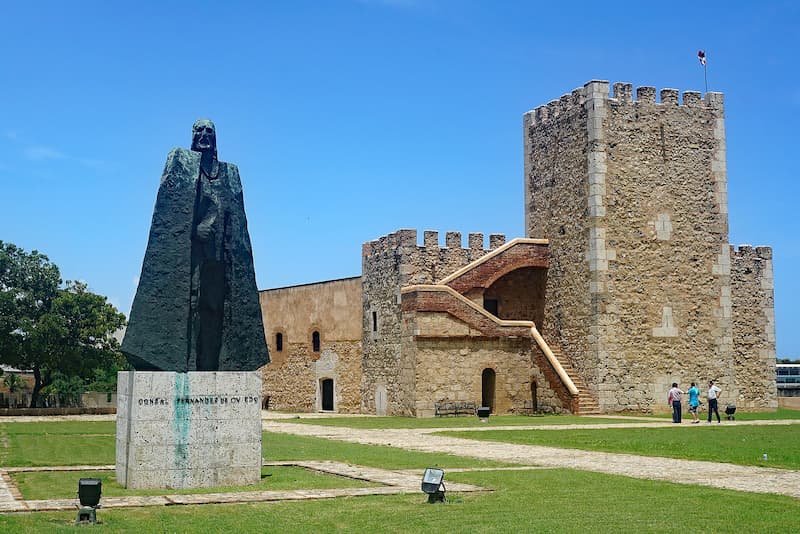
- Fortaleza Ozama: The oldest military construction of European origin in the Americas, designed to protect the city from pirates and rival empires.
- Calle Las Damas: The first paved street in the New World, once the preferred promenade for the ladies of the Spanish court.
Attraction
Santo Domingo isn’t just a collection of old buildings; it’s a portal to the “Age of Discovery.” Tourists flock here to experience:
- The “Firsts”: There is a unique thrill in visiting the first university, the first hospital, and the first court of law in the Western Hemisphere.
- Vibrant Nightlife: At night, the historic plazas transform. The Plaza de España is lined with terrace restaurants where you can dine on traditional Sancocho (a hearty stew) while watching live Merengue performances.
- Atmospheric Charm: The narrow cobblestone streets, hidden courtyards, and vine-covered ruins provide a romantic backdrop that feels worlds away from the all-inclusive resorts of Punta Cana.

Heritage
UNESCO inscribed the Colonial City in 1990 based on its role as the “Cradle of European Culture” in the Americas. It met three primary criteria:
- Criterion (ii): The city’s grid pattern and its monumental buildings served as the architectural and urban model for the rest of the New World.
- Criterion (iv): It is an outstanding ensemble of 16th-century buildings that illustrate the transition from the Middle Ages to the Renaissance in a colonial context.
- Criterion (vi): The site is directly associated with events of global significance—the arrival of Europeans in the Americas and the subsequent exchange of cultures, plants, and ideas (and the tragic start of the transatlantic slave trade in the region).
Gateway
Since the site is located within the capital, Santo Domingo itself is your gateway.
- Commercial Airport: Las Américas International Airport (SDQ) is the primary hub, located about 30 minutes from the Zona Colonial. It handles major international flights from North America, Europe, and neighboring Caribbean islands.
- Lodging: You’ll find a high density of lodging options right within the historic district. This ranges from the ultra-luxurious Casas del XVI (a collection of restored 16th-century homes) to charming boutique hotels and budget-friendly guesthouses.
When
- Peak Season (December to April): This is the dry season. The weather is spectacular—warm, breezy, and low in humidity.
- February: This is arguably the best month, as it coincides with the Dominican Carnival. The Zona Colonial becomes a riot of color, masks, and music.
- Avoid (August to October): This is the peak of the Atlantic hurricane season. While you can get great deals, the humidity is high and the risk of heavy tropical storms can disrupt travel plans.

Consideration
- The Cobblestones: Your footwear choice is vital. The original stones are uneven and can be slippery when wet. Leave the heels at home.
- The Heat: Even in the “cool” season, the Caribbean sun is intense. Plan your heavy walking for the early morning or late afternoon, and retreat to a shaded café or air-conditioned museum during the midday peak.
- Language: While English is spoken in high-end hotels and major tourist spots, a basic grasp of Spanish will go a long way in the local markets and smaller colmados (neighborhood shops).
- Safety: The Zona Colonial is generally safe and heavily patrolled by the Tourist Police (Politur). However, like any major city, stay aware of your surroundings, especially at night when venturing into the less-lit side streets on the district’s edges.

Resources
- UNESCO World Heritage Centre – The official source for maps, history, and the technical justification for its protected status.
- Go Dominican Republic (Official) – The national tourism board’s guide, perfect for checking current events and museum hours.
- Britannica: Santo Domingo – An excellent academic overview of the city’s complex colonial history.
- Colonial Zone DR – A niche, highly detailed site run by locals that covers everything from “firsts” to current restaurant reviews.
- GetYourGuide – A major booking platform where you can arrange guided walking tours and day trips.


Comments:
Leave a Reply