The following are the heritage sites, grouped into recommended gateway cities. This may help in planning on the logistics (travel and accommodation) of your journey.
GDANSK (GDN)
Situated on the Baltic coast, Gdańsk is a breathtaking maritime city that has served as a pivotal stage for European history. As the birthplace of the Solidarity movement and the site where World War II began, it blends resilience with architectural splendor. The Royal Route showcases ornate merchant houses leading to the iconic Neptune’s Fountain and the massive St. Mary’s Basilica. Along the Motława River, the medieval Gdańsk Crane stands as a testament to its Hanseatic trading past. Known as the world’s amber capital, the city’s charming Mariacka Street offers exquisite jewelry tucked between picturesque gargoyles.
KRAKOW (KRK)
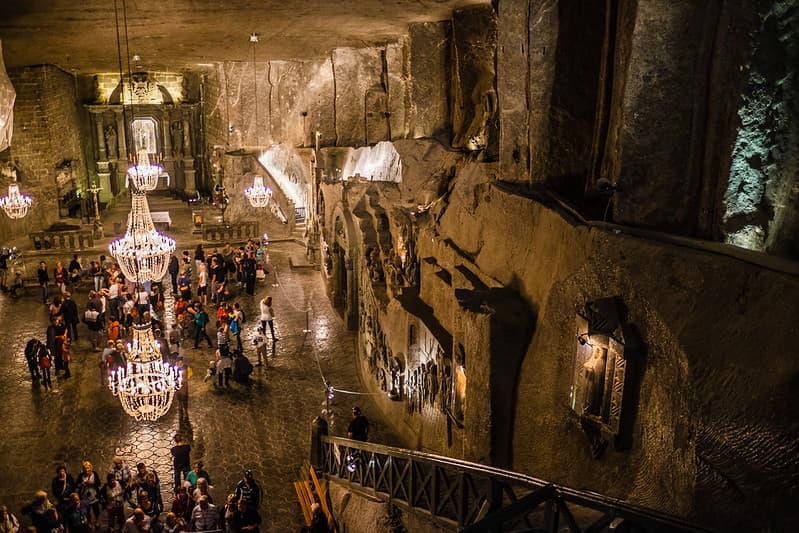
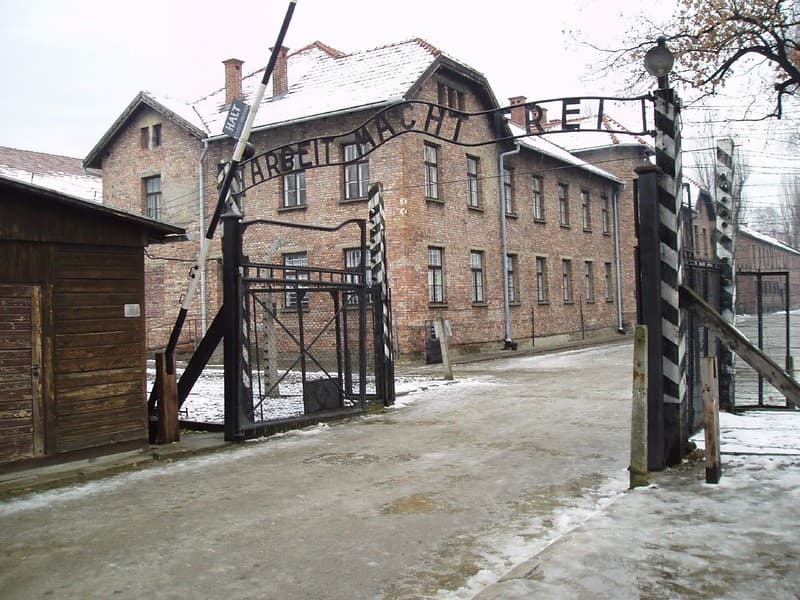
Kraków, Poland’s former royal capital, is a medieval masterpiece that escaped World War II largely intact. The city centers on Rynek Główny, Europe’s largest medieval square, featuring the iconic Cloth Hall and the bugle call of St. Mary’s Basilica. High above the Vistula River, Wawel Royal Castle stands as a symbol of national identity. The vibrant Kazimierz district remains a cultural heart, blending Jewish heritage with a bohemian café scene. A culinary hub, Kraków is famous for pierogi and obwarzanek (pretzels). With its major international airport, the city serves as the vital base for exploring the Wieliczka Salt Mine and Auschwitz-Birkenau.
RZESZOW (RZE)
Rzeszów is a rapidly growing city that balances its historical roots with its status as Poland’s “Aviation Valley.” It serves as the vital logistical hub for the southeast. Visitors enjoy the charming Old Town Market Square with its underground tourist route—a labyrinth of medieval cellars—and the impressive Lubomirski Summer Palace. As the starting point for any Bieszczady adventure, Rzeszów offers a high quality of life, excellent Podkarpackie cuisine (like Proziaki flatbreads), and a welcoming, less-crowded alternative to Kraków.
WARSAW (WAW)
Warsaw, the resilient capital of Poland, is a dynamic metropolis where poignant history meets modern energy. Almost entirely rebuilt after World War II, its meticulously reconstructed Old Town is a UNESCO World Heritage site, centered around the vibrant Market Square and the Royal Castle. Visitors can stroll the Royal Route, explore the interactive Warsaw Uprising Museum, or enjoy panoramic city views from the iconic Palace of Culture and Science. Beyond its historical core, Warsaw offers thriving culinary scenes, bustling Vistula River boulevards, and extensive green spaces like Łazienki Park, making it a captivating blend of past and present.
Featured Image
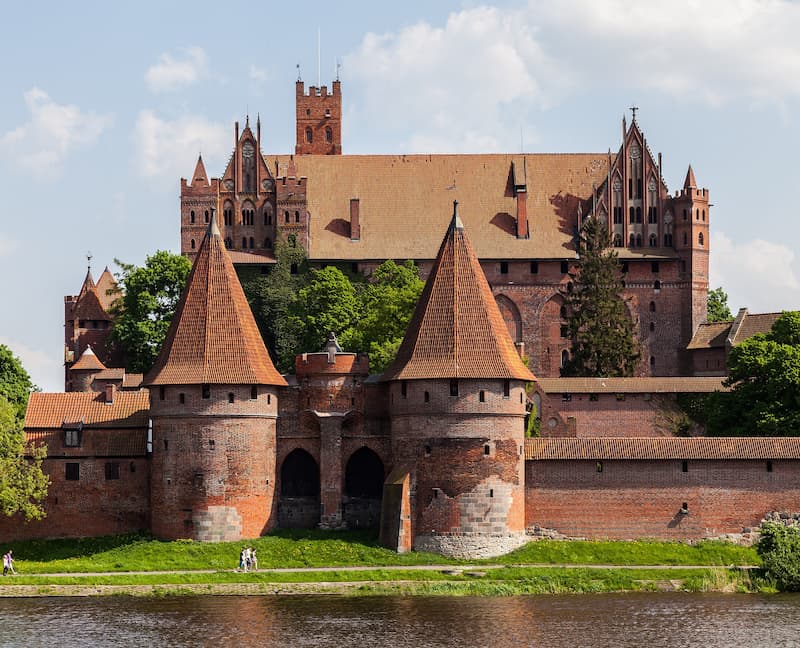
Malbork Castle (Diego Delso, Wikipedia/CC BY-SA 3.0).
In The News
-
Auschwitz | Definition, Concentration Camp, Facts, Location, & History | Britannica
-
Wieliczka Salt Mine: Boosting Poland’s Heritage Tourism in 2025
-
Bialowieza Forest at Risk Due to Poland-Belarus Military Conflict
-
Visiting Malbork: The Castle That’s Twice the Size of Buckingham Palace
-
UNESCO Adds Bieszczady Beech Forests to World Heritage List
Advertisement


Comments:
 All About World Heritage Sites (...and more)

Leave a comment