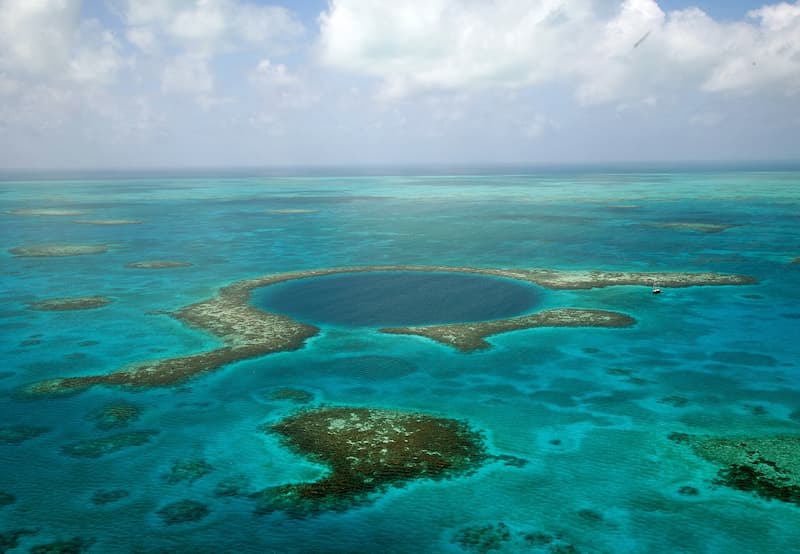
The Belize Barrier Reef Reserve System (BBRRS) is a spectacular natural masterpiece stretching along the coast of Belize in the Caribbean Sea. It is the largest barrier reef in the Northern and Western Hemispheres and the second largest in the world, surpassed only by Australia’s Great Barrier Reef.
The site is a “serial nomination,” meaning it is composed of seven distinct protected areas that represent the most pristine portions of the reef. These include Bacalar Chico National Park, Blue Hole Natural Monument, Half Moon Caye Natural Monument, South Water Caye Marine Reserve, Glover’s Reef Marine Reserve, Laughing Bird Caye National Park, and the Sapodilla Cayes Marine Reserve.
The system encompasses a diverse array of reef types—fringing, barrier, and atoll—alongside over 450 sand and mangrove cayes (islands). One of its most iconic features is the Great Blue Hole, a massive underwater sinkhole that appears as a dark blue circle in a sea of turquoise, visible even from space.
Attraction
The reef is a “bucket list” destination for travelers, primarily due to its unparalleled marine experiences:
- The Great Blue Hole: Made famous by Jacques Cousteau, it is considered one of the top ten scuba diving sites globally, offering divers a chance to see giant stalactites and reef sharks at depths of over 40 meters.
- Extreme Biodiversity: With over 500 species of fish, 65 stony corals, and 350 mollusks, it provides an “underwater safari” experience.
- The “Big Three” of the Sea: It is one of the few places where you can reliably see West Indian manatees, American crocodiles, and three species of sea turtles (Green, Hawksbill, and Loggerhead) in their natural habitats.
- Water Sports: Beyond diving, the reef is a premier spot for sea kayaking, windsurfing, and world-class “flats fishing” for bonefish and tarpon.
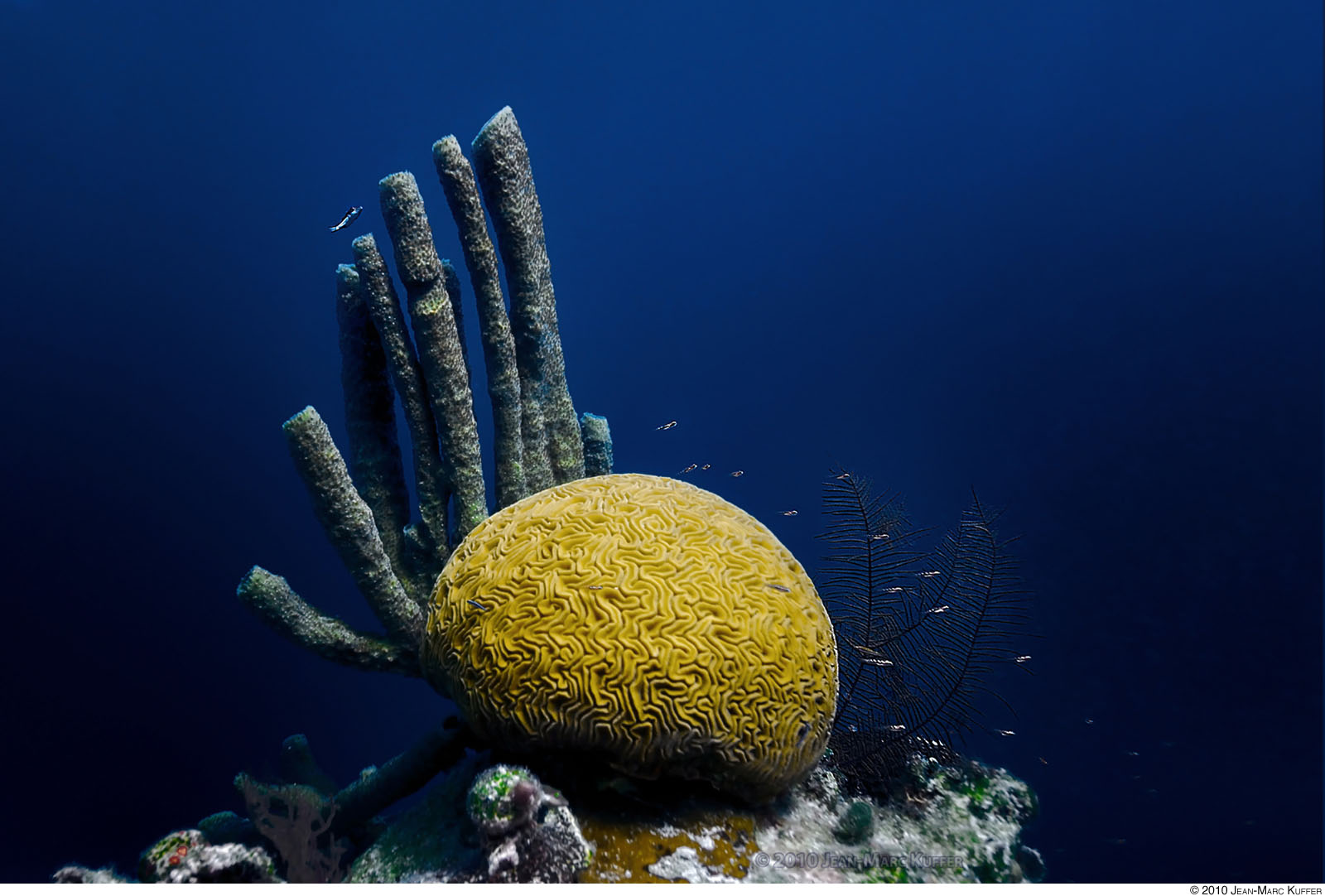
(Jean-Marc Kuffer, Flickr/CC BY-SA 2.0).
Heritage
Inscribed in 1996, the BBRRS met three distinct UNESCO criteria:
- Criterion (vii): It contains superlative natural phenomena. The contrast between the verdant mangrove islands, the white sand cayes, and the deep blue of the open ocean is of exceptional aesthetic importance.
- Criterion (ix): It is an outstanding example of ongoing ecological and biological processes. The reef illustrates the evolutionary history of reef development better than almost anywhere else in the Atlantic-Caribbean region.
- Criterion (x): It contains the most significant natural habitats for the conservation of biological diversity, particularly for the survival of globally threatened species like the manatee and various marine turtles.
Gateway
- Town: San Pedro is the primary tourism gateway to the reef. While Belize City is the mainland hub, San Pedro sits directly on the barrier reef.
- Airport: John Greif II Airport (SPR) is a busy commercial airport served by domestic carriers like Tropic Air and Maya Island Air, with frequent 15-minute shuttle flights from the international airport (BZE).
- Lodging: San Pedro is the most developed tourist area in Belize, offering everything from luxury overwater bungalows and boutique resorts to mid-range beach hotels and backpacker hostels.
When
- Dry Season (Late November to May): This is the ideal window. The water is at its calmest and clearest, providing the high visibility (25 m to 30 m) required for the best diving and snorkeling.
- March and April: These are considered the “golden months” for weather. For those interested in Whale Sharks, visits should be timed around the full moons of April and May near the Gladden Spit.
- June to October: This is hurricane season. While prices are lower, outdoor activities are frequently disrupted by tropical storms.

(Kimon Berlin, Flickr/CC BY-SA 2.0).
Consideration
- Environmental Protection: Belize has strict laws protecting the reef. Reef-safe sunscreen (non-nano zinc oxide) is highly recommended and often mandatory for tours to prevent coral bleaching.
- Cost: Belize is one of the more expensive destinations in Central America. Be prepared for high tour prices, especially for the Great Blue Hole, which can cost $300–$500 per person.
- Footwear: If visiting the cayes, bring sturdy water shoes. Some areas have sharp coral or sea urchins near the shore.
- Conservation Fee: Visitors to protected marine reserves must pay a daily entrance fee (usually around $10 USD), which goes toward reef management.
- PADI Certification: If you plan to dive the Blue Hole, most operators require an Advanced Open Water certification or a significant number of logged deep dives.

(Ivan Garcia, Flickr/CC BY 2.0).
Resources
- UNESCO World Heritage Centre – BBRRS: The primary source for official boundaries, conservation reports, and historical data.
- Travel Belize – The Barrier Reef: The official national tourism website with updated 2026 event calendars and travel requirements.
- Smithsonian Ocean – Belize Reef: A deep dive into the science and biology of the reef system.
- Snappy Happy Travel – Belize Guide: A comprehensive blog offering practical budget tips and affiliate links for booking local lodging and transport.
- GetYourGuide – Belize Reef Tours: A reliable platform to book snorkeling and diving excursions from San Pedro or Caye Caulker.
Featured Image
(TerraMar Project, Wikimedia/CC BY 2.0).
In The News
Advertisement

Comment:
2 responses to “Belize Barrier Reef Reserve System”
-
I still remember the day that I went out there. It took my breath away. You go into this sort of turquoise atoll expanse with all these patch reefs studded in front of you. It really is a spectacularly beautiful place.
LikeLike
-
Awesome part of the world.. spent the millennium New Year, Laughing Bird awesome.
Avoided Caye Ambergris, Caye Caulker still had a laid back Caribbean vibe. The diving and fish life was incredible, especially around the outer reefs, like St George Caye & the Blue Hole. Hope they can maintain it! Great memories.LikeLike

 All About World Heritage Sites (...and more)
Leave a reply to jscourge Cancel reply