The following are the heritage sites, grouped into recommended gateway cities. This may help in planning on the logistics (travel and accommodation) of your journey.
IPOH (IPH)
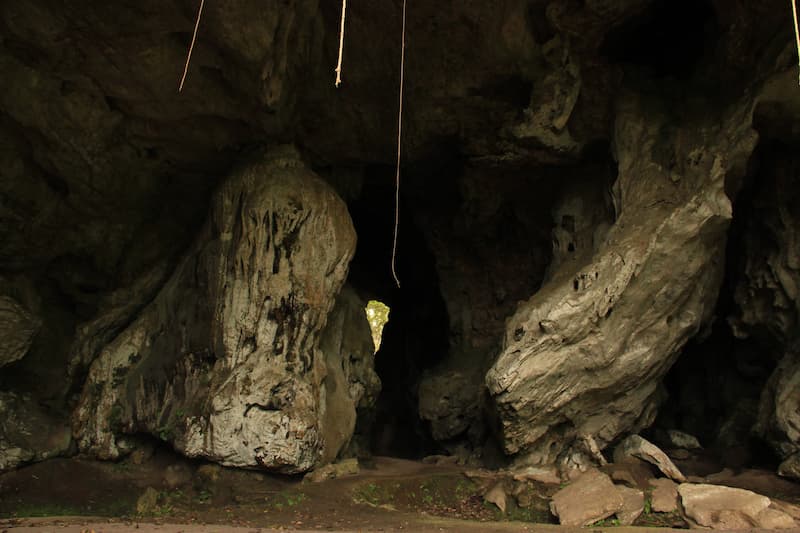
Ipoh, the capital of Perak, is a former tin-mining powerhouse that has evolved into one of Malaysia’s most stylish heritage destinations. Nestled within a valley of dramatic limestone karsts, it serves as the essential gateway to the Lenggong Valley. The city’s “Old Town” is a maze of British colonial landmarks, vibrant street murals, and the nostalgic Concubine Lane. Ipoh is a culinary titan, legendary for its signature White Coffee, succulent bean sprout chicken, and flaky egg tarts. Beyond the streets, serene cave temples like Kek Lok Tong and the “hidden” Mirror Lake offer a tranquil escape.
KOTA KINABALU (BKI)
Kota Kinabalu, affectionately known as “KK,” is the vibrant coastal capital of Sabah and the ultimate gateway to Malaysian Borneo. This modern city is famously framed by the South China Sea and the majestic silhouette of Mount Kinabalu. Visitors flock to the Tunku Abdul Rahman Marine Park for island-hopping and diving, while the city offers world-class sunsets at Tanjung Aru Beach. Cultural highlights include the “floating” City Mosque and the bustling Gaya Street Sunday Market. Blending urban convenience with wild adventure, KK serves as the starting point for trekking, white-water rafting, and exploring ancient rainforests.

KUALA LUMPUR (KUL)
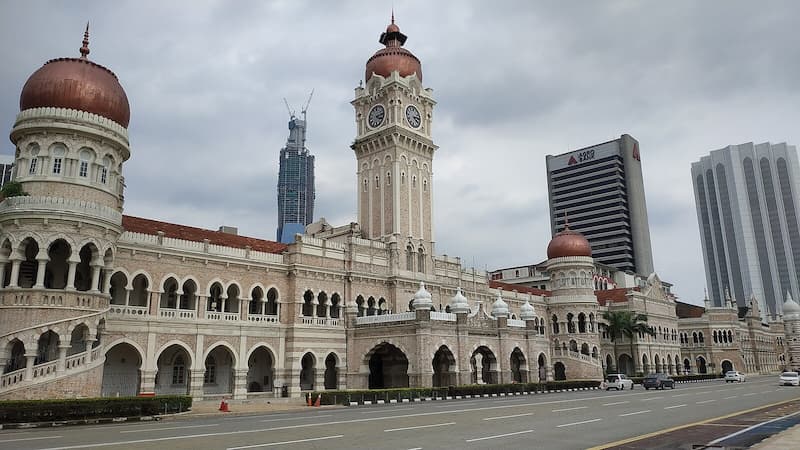
Kuala Lumpur, Malaysia’s high-energy capital, is a spectacular fusion of colonial history and futuristic ambition. Its skyline is dominated by the shimmering Petronas Twin Towers and the newly completed Merdeka 118, currently the world’s second-tallest building. As a cultural crossroads, the city offers vibrant experiences, from the colorful Hindu shrines of Batu Caves to the Moorish heritage architecture surrounding Merdeka Square. Food enthusiasts flock to Jalan Alor for legendary street food, while shoppers navigate the luxury mega-malls of Bukit Bintang. Balancing lush tropical parks with a relentless cosmopolitan pulse, “KL” serves as Malaysia’s premier international gateway.

MALACCA (MKZ)
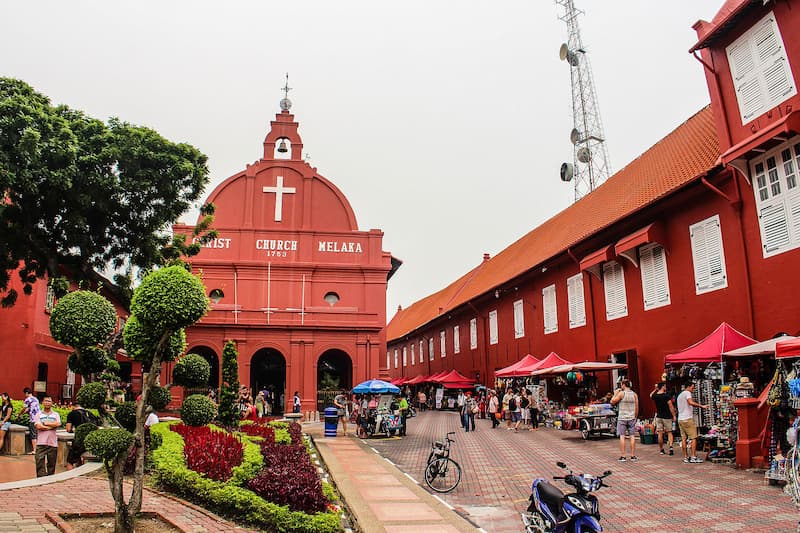
Malacca (Melaka) is a historic coastal city and UNESCO World Heritage site that serves as the soul of Malaysia’s colonial past. Once a powerful 15th-century Sultanate, it later became a strategic maritime prize for Portuguese, Dutch, and British empires. Visitors can explore the iconic crimson buildings of the Red Square, the ruins of St. Paul’s Hill, and the bustling Jonker Street Night Market. Renowned for its unique Peranakan (Nyonya) heritage and world-class street food, the city is best experienced via a scenic river cruise or a flamboyant trishaw ride through its ancient, mural-lined lanes.
MIRI (MYY)
Miri is the vibrant coastal gateway of northern Sarawak and the primary hub for exploring Borneo’s natural wonders. Known as Malaysia’s “Oil Town,” it is the essential jumping-off point for reaching Gunung Mulu, Niah, and Lambir Hills National Parks. Within the city, visitors enjoy panoramic sunsets from Canada Hill, home to the “Grand Old Lady” (the nation’s first oil well), and the iconic seahorse lighthouse at Coco Cabana. Beyond its urban comforts and diverse seafood scene, Miri offers world-class diving at the Miri-Sibuti Coral Reefs. It perfectly blends cosmopolitan charm with rugged adventure.
MULU (MZV)
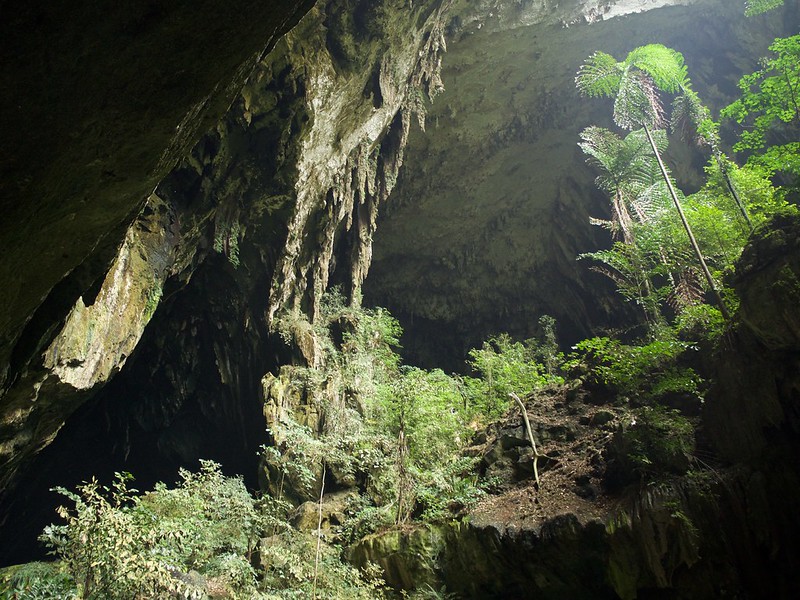
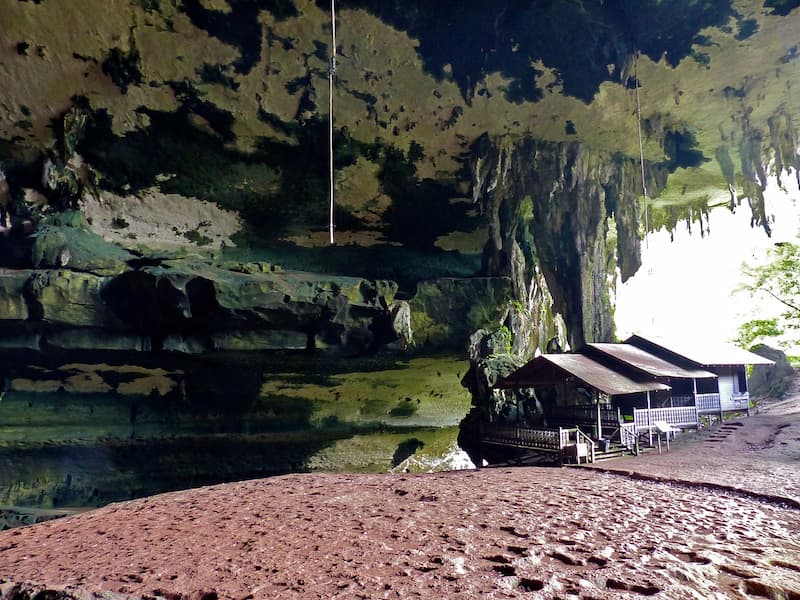
Mulu is not a traditional city, but rather a remote rainforest settlement in Sarawak, serving as the gateway to the legendary Gunung Mulu National Park. Accessible primarily by light aircraft from Miri, this UNESCO World Heritage site is a frontier for geological superlatives. It houses the Sarawak Chamber (the world’s largest cave chamber) and the Deer Cave, famous for its nightly exodus of millions of bats. Beyond the subterranean wonders, adventurers challenge themselves on the razor-sharp limestone Pinnacles or the lush Canopy Skywalk. It is a place where nature reigns, offering a profound, “off-grid” eco-adventure.
PENANG (PEN)
Penang, often called the “Pearl of the Orient,” is a captivating island-state where centuries of heritage meet a modern culinary obsession. Its heart, George Town, is a UNESCO World Heritage site celebrated for its intricate street art, colonial architecture, and the historic Clan Jetties. Beyond the city, visitors ascend Penang Hill via a funicular for panoramic views or explore the ornate Kek Lok Si Temple, Southeast Asia’s largest Buddhist temple. With a world-famous street food scene and the golden sands of Batu Ferringhi, Penang offers a rich, multicultural experience that remains Malaysia’s undisputed food capital.
Featured Image
Sultan Abdul Samad Building, Kuala Lumpur (Renek78/Wikimedia, CC BY-SA 4.0).
In The News
-
Discover Borneo’s Danum Valley and Niah Cave
-
Budget 2026: Investment in Mulu National Park Tourism
-
Explore Mount Kinabalu and UNESCO Sites Virtually
-
FRIM: A Leader in Sustainable Practices in Malaysia
-
Top Hotels to Stay in Melaka for Every Budget
-
Lenggong Valley: Discover Malaysia’s Archaeological Marvel
Advertisement


Comment:
 All About World Heritage Sites (...and more)

Leave a comment