Visiting Auschwitz-Birkenau is not a typical tourist excursion; it is a profound confrontation with the darkest chapter of human history. As a site of genocide and a symbol of the Holocaust, it requires a mindset of somber reflection rather than leisure.
Located in the town of Oświęcim, Poland, the site is a vast complex consisting of two primary areas:
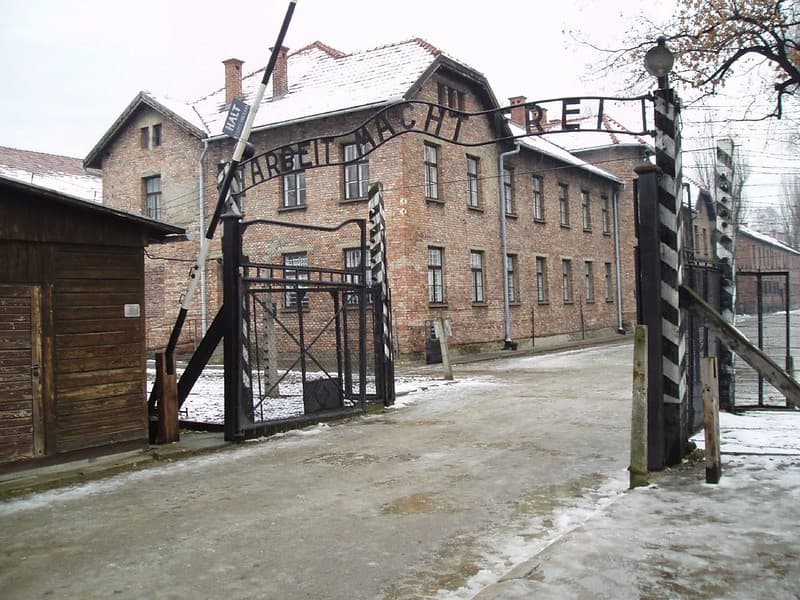
- Auschwitz I (The Main Camp): This was the original concentration camp, characterized by its red-brick barracks and the infamous iron gate bearing the cynical slogan “Arbeit Macht Frei” (Work Sets You Free). It now houses the museum’s primary exhibitions, including chilling displays of victims’ personal belongings, such as glasses, shoes, and hair.
- Auschwitz II-Birkenau: Located about 3 km away, this was the primary extermination center. It is defined by its staggering scale—sprawling over 400 acres—and the iconic railway tracks that led directly to the ruins of the gas chambers and crematoria, which were blown up by the retreating SS in 1945 to hide their crimes.
Attraction
While “attraction” is a heavy word for such a place, it draws over 2 million visitors annually for several key reasons:
- Education and Remembrance: It serves as a physical classroom for the “Final Solution,” ensuring the world never forgets the 1.1 million lives lost here.
- The Power of Authenticity: Unlike a recreated museum, the site preserves the original ruins and structures, providing an undeniable, physical witness to the Holocaust.
- Global Pilgrimage: For many, particularly the Jewish and Polish communities, it is a site of personal and ancestral pilgrimage to honor the victims.

Heritage
Inscribed by UNESCO in 1979, the site is unique among World Heritage entries. It was listed under Criterion (vi) as a site associated with events of universal significance.
- Universal Warning: It serves as a “monument to the strength of the human spirit” in the face of absolute evil and a warning of the consequences of extreme racism and hatred.
- Integrity of Memory: It is the only concentration camp on the UNESCO list, intended to represent all such sites of genocide while maintaining the highest level of historical authenticity.
Gateway
The historic city of Kraków serves as the primary gateway.
- Transport: John Paul II International Airport (KRK) is located approximately 15 km from Kraków’s center and 60 km from the camp. It is well-connected to major European and international hubs.
- Lodging: Kraków is one of Poland’s premier travel destinations, offering everything from 5-star heritage hotels in the Old Town (Stare Miasto) to modern apartments in the vibrant Kazimierz (Jewish Quarter).
When
- Spring (April–June) and Autumn (September–October): These months offer the most temperate weather for the extensive walking required (at least 3.5 hours).
- Winter (January–February): If you visit during the winter season, you will experience the camp in a haunting, snowy silence. January 27 is International Holocaust Remembrance Day, which often includes high-profile memorial ceremonies.
- Note on 2026 Booking: Starting March 1, 2026, the museum has implemented a strict online-only ticket policy. You can no longer purchase tickets on-site.

Consideration
- Psychological Impact: The experience is emotionally taxing. It is highly recommended to give yourself several hours of quiet time afterward rather than jumping into other social activities.
- Booking in Advance: Demand is extreme. Individual entry passes often sell out weeks or months in advance.
- Bag Size Restrictions: Security is tight. Bags larger than 35x25x15 cm (roughly the size of an A4 sheet of paper) are not allowed and must be left in lockers or your vehicle.
- Age Recommendation: The Museum does not recommend the visit for children under 14 years old due to the graphic nature of the history.
- Dress Code: Visitors are expected to dress respectfully (avoid beachwear or overly casual attire) as the grounds are effectively a massive cemetery.

Resources
- Auschwitz-Birkenau State Museum (Official): The essential site for booking personalized entry passes and guided tours.
- UNESCO World Heritage List: For the official history and geographical boundaries of the site.
- Yad Vashem: An invaluable resource for context on the Holocaust and those who were imprisoned at Auschwitz.
- Kraków Tourism Portal: For logistical information on transport and staying in the gateway city.
- TripAdvisor – Auschwitz-Birkenau: Useful for booking organized group tours with transport from Kraków if the official site is sold out.
Featured Image
Auschwitz Main Camp (Tulio Bertorini, Flickr/CC BY-SA 2.0).
In The News
Advertisement

Comment:
 All About World Heritage Sites (...and more)
Leave a comment