The following are the heritage sites, grouped into recommended gateway cities. This may help in planning on the logistics (travel and accommodation) of your journey.
BORDEAUX (BOD)
Bordeaux, the “Port of the Moon,” is a breathtaking French metropolis where 18th-century neoclassical grandeur meets a vibrant, modern soul. It remains a premier destination, featuring the futuristic Cité du Vin and the immersive Bassins des Lumières, the world’s largest digital art center. Visitors can wander through the UNESCO-listed historic center, admire the iconic Place de la Bourse reflected in the Miroir d’Eau, or shop along the bustling Rue Sainte-Catherine. From its legendary vineyards and world-class gastronomy to the revitalized Garonne riverfront, Bordeaux offers an intoxicating blend of history, culture, and elegance.

CLERMONT-FERRAND (CFE)
Dominating the Auvergne region, Clermont-Ferrand is a city forged from fire and history. It is world-renowned for its unique “black” architecture, most strikingly seen in the Gothic Notre-Dame-de-l’Assomption Cathedral, built entirely from dark Volvic lava stone. The city sits at the foot of the Chaîne des Puys, a UNESCO-listed tectonic hotspot of 80 dormant volcanoes, with the iconic Puy de Dôme accessible via a scenic rack railway. Beyond its volcanic soul, Clermont-Ferrand is the historic birthplace of Michelin, celebrated at the interactive L’Aventure Michelin museum, and home to the stunning Romanesque Basilica of Notre-Dame du Port.

DIJON (DIJ)
The historic capital of the Dukes of Burgundy, Dijon is a refined masterpiece of medieval and Renaissance architecture. Its heart is a UNESCO World Heritage site, part of the Climats of Burgundy wine region, featuring the grand Palais des Ducs and the elegant Place de la Libération. Visitors follow the bronze Owl’s Trail to discover half-timbered houses and the gothic Church of Notre-Dame. As a global culinary beacon, the city celebrates its namesake mustard, gingerbread, and the new Cité Internationale de la Gastronomie et du Vin, all while serving as the gateway to the prestigious Route des Grands Crus.

LE HAVRE (LEH)
Situated at the mouth of the Seine in Normandy, Le Havre is a unique UNESCO World Heritage city celebrated for its avant-garde post-war architecture. After being nearly leveled in World War II, its center was visionary-rebuilt by architect Auguste Perret using reinforced concrete in a “structural classical” style. The skyline is anchored by the lighthouse-like St. Joseph’s Church, a 107-meter concrete masterpiece filled with vibrant stained glass. Visitors can tour the Appartement Témoin to see 1950s modernist living, visit the MuMa for a world-class Impressionist collection, or relax on the expansive city beach.

LYON (LYS)
Nestled at the confluence of the Rhône and Saône rivers, Lyon is a French masterpiece spanning 2,000 years of continuous history. Its urban core is a vast UNESCO World Heritage site, featuring the ancient Roman theaters on Fourvière Hill, known as “the hill that prays.” Below, the Renaissance district of Vieux Lyon reveals a labyrinth of traboules—hidden passageways once used by silk merchants. As the “World Capital of Gastronomy,” the city is defined by its traditional bouchons and the legendary Les Halles de Lyon Paul Bocuse. From the vibrant silk-weaving heritage of Croix-Rousse to the grand boulevards of Presqu’île, Lyon seamlessly blends architectural legacy with a modern, innovative soul.
MARSEILLE (MRS)
Marseille, France’s oldest city and a bustling Mediterranean port, offers a vibrant blend of history, culture, and coastal beauty. Centered around the historic Vieux Port (Old Port), visitors can explore the narrow, artistic streets of the Le Panier district, visit the impressive Notre-Dame de la Garde basilica for panoramic views, or enjoy the nearby Calanques National Park for stunning limestone cliffs and turquoise waters. As a major commercial hub, it offers diverse cuisine, particularly bouillabaisse. Travelers should explore the city’s highlights while remaining mindful of their surroundings and security in certain urban areas.

NIMES (FNI)
Nîmes, situated in southern France, is a city steeped in Roman history, offering a spectacular journey through time. Its most famous landmark is the remarkably preserved Arena of Nîmes, a Roman amphitheater still used today for concerts and bullfights. Visitors can also explore the Maison Carrée, one of the best-preserved Roman temples in the world, and stroll through the serene Jardins de la Fontaine. With its charming historic center, vibrant local markets, and proximity to the Pont du Gard aqueduct, Nîmes is a captivating destination for history enthusiasts and culture lovers alike.
PARIS (BVA/CDG)
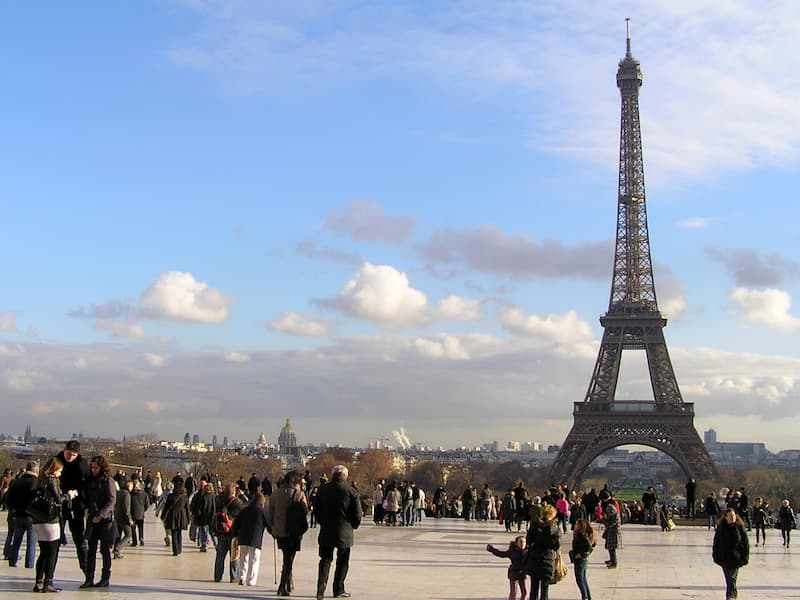
Paris, the “City of Light,” remains an unparalleled global capital of culture, gastronomy, and romance. The city is revitalized, featuring a fully restored Notre-Dame Cathedral alongside timeless icons like the Eiffel Tower and the Louvre. Beyond the grand boulevards of the Champs-Élysées, visitors explore the artistic soul of Montmartre and the trendy boutiques of Le Marais. Whether indulging in a buttery croissant at a sidewalk café or cruising the Seine at sunset, Paris masterfully blends its imperial history with a modern, eco-conscious energy, making every cobblestone street feel like a living museum.


POITIERS (PIS)
Poitiers, the ancient “City of 100 Steeples,” is a hilltop treasure in western France where medieval history meets futuristic thrills. The city remains defined by its Romanesque heritage, from the 4th-century Saint-Jean Baptistery to the legendary Palace of the Counts of Poitou, seat of Eleanor of Aquitaine. While the famous Notre-Dame-la-Grande remains under facade restoration, its vibrant interior stays open to the curious. Just north, the high-tech Futuroscope theme park provides a stark, modern contrast. With its student-driven energy and proximity to the Loire Valley, Poitiers offers a quintessentially French blend of academia, art, and adventure.

REIMS (RHE)
Poitiers, the ancient “City of 100 Steeples,” is a hilltop treasure in western France where medieval history meets futuristic thrills. The city remains defined by its Romanesque heritage, from the 4th-century Saint-Jean Baptistery to the legendary Palace of the Counts of Poitou, seat of Eleanor of Aquitaine. While the famous Notre-Dame-la-Grande remains under facade restoration, its vibrant interior stays open to the curious. Just north, the high-tech Futuroscope theme park provides a stark, modern contrast. With its student-driven energy and proximity to the Loire Valley, Poitiers offers a quintessentially French blend of academia, art, and adventure.
RENNES (RNS)
As the vibrant capital of Brittany, Rennes is a captivating blend of medieval heritage and youthful energy. Despite a devastating fire in 1720, the city retains nearly 300 colorful, leaning half-timbered houses, particularly around the bustling Place Sainte-Anne. The stately Parlement de Bretagne stands as a masterpiece of 17th-century architecture, while the Parc du Thabor offers ten hectares of exquisite French and English gardens. Visitors shouldn’t miss the Marché des Lices, France’s second-largest market, to savor a traditional galette-saucisse (sausage crepe) paired with local Breton cider amidst a lively, historic atmosphere.

TOULOUSE (TLS)
Nicknamed La Ville Rose for its terracotta brick architecture, Toulouse is a vibrant hub in southwestern France where medieval history meets aerospace innovation. The city’s heart is the Place du Capitole, a grand square housing the historic city hall and opera. Nearby, the Basilica of Saint-Sernin, a UNESCO-listed Romanesque masterpiece, and the palm-vaulted Jacobins Convent offer stunning architectural heritage. As Europe’s aviation capital, Toulouse invites exploration of the Cité de l’espace and the Airbus factories. Visitors shouldn’t miss the scenic Canal du Midi or a hearty cassoulet, perfectly embodying the city’s warm, Occitan spirit.


Featured Image
Eiffel Tower, Paris (MMO75, Wikimedia/CC BY-SA 4.0).
.jpg)
In The News
-
Exploring Mont-Saint-Michel: A Monument in Need of Repair
-
Top 15 Beautiful Towns in the Pyrenees
-
Boating Restrictions in Southern France Due to Drought
-
Exploring a Medieval Village with a UNESCO Heritage Abbey
-
How Champagne Became a UNESCO World Heritage Site
-
Exploring Arles: History, Culture, and Charm
-
Discover Estuary Crossings in Le Havre
-
Discover Reims: Unusual Ways to Enjoy this French City
-
Top Tips for Bordeaux River Cruises You’ll Love
-
Top Reasons to Watch the Tour de France in 2025
-
Exploring Vichy: A UNESCO Heritage Destination
-
Discover Burgundy: Top 12 Must-See Attractions
Advertisement


Comments:
Leave a Reply