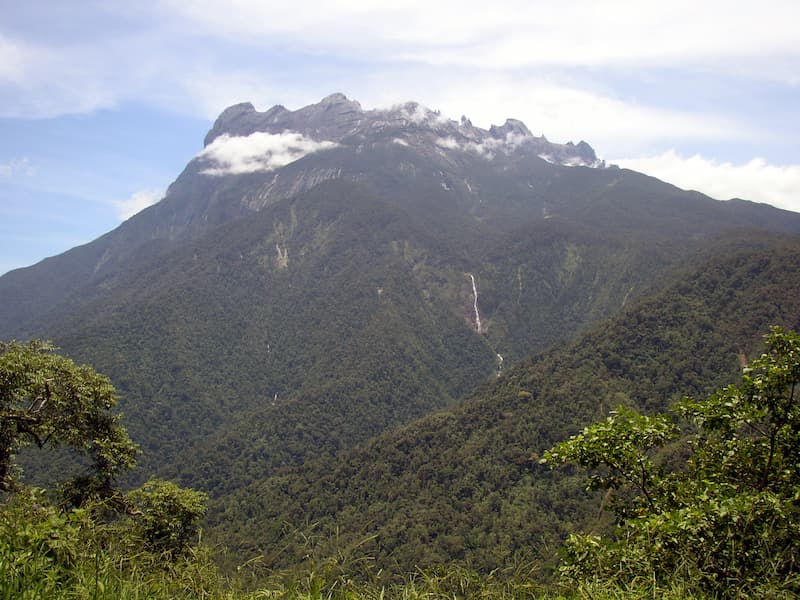
Kinabalu Park, established in 1964, is one of Malaysia’s most iconic natural landmarks and was the country’s first UNESCO World Heritage Site (inscribed in 2000). Located in the state of Sabah on the northern end of Borneo, the park covers 754 square kilometers and is dominated by the majestic Mount Kinabalu.
At 4,095 meters above sea level, Mount Kinabalu is the highest peak between the Himalayas and New Guinea. The park is renowned not just for its height, but for its staggering range of habitats—from rich tropical lowland rainforests to subalpine meadows and stunted forests near the summit. It is often described as a “living museum” because it hosts a concentration of biodiversity that is almost unparalleled anywhere else on Earth.
Attraction
Kinabalu Park attracts a diverse range of visitors, from adrenaline-seeking mountaineers to specialized scientists:
- The Summit Climb: The two-day trek to Low’s Peak (the summit) is a “bucket list” item for hikers globally. Unlike many Himalayan peaks, it does not require technical climbing skills, making it accessible to fit trekkers who want to experience high-altitude views and a sunrise above the clouds.
- A Botanist’s Paradise: The park is world-famous for its plant life. It is home to half of all Borneo’s plant species. Tourists flock to see the giant Rafflesia (the world’s largest flower), carnivorous Pitcher Plants (Nepenthes), and over 1,000 species of orchids.
- Birdwatching: With over 300 bird species, including many endemics found only on Mount Kinabalu, it is a premier destination for ornithologists.
- Cool Climate Escape: For those not looking to climb, the park headquarters sits at about 1,500 meters, offering a refreshing, cool climate that provides a stark and welcome contrast to the humid heat of the Malaysian coast.

Heritage
UNESCO recognized Kinabalu Park for its Outstanding Universal Value based on two primary natural criteria:
- Criterion (ix) – Ongoing Ecological and Biological Processes: The park presents a complete “altitudinal zonation” of vegetation. As you move from the tropical lowlands to the alpine summit, the rapid change in climate and soil creates a vertical laboratory of evolution. It demonstrates how plants and animals have adapted to diverse ecological niches over millions of years.
- Criterion (x) – Significant Biological Diversity: Kinabalu Park is one of the most important biological sites in the world. It contains a high percentage of endemic species (species found nowhere else). For example, it hosts about 50% of all Borneo’s birds, mammals, and amphibians, and nearly 2/3 of all Borneo’s ferns. It is a critical “refuge” for biodiversity in Southeast Asia.
Gateway
The best gateway to the park is Kota Kinabalu, the capital of Sabah.
- Commercial Airport: Kota Kinabalu International Airport (BKI). It is the second busiest airport in Malaysia, offering direct international flights from hubs like Singapore, Hong Kong, Seoul, and Taipei, as well as frequent domestic flights from Kuala Lumpur.
- Lodging Options: KK is a major tourist city with excellent lodging availability. You can find everything from 5-star luxury resorts (like the Shangri-La) to boutique city hotels and budget-friendly hostels.
- Proximity: The park entrance is approximately 2 hours (about 90 km) by road from the city center. Most travelers stay in KK for a night before or after their trip to the park.
When
The best time to visit, especially if you intend to climb the mountain, is during the dry season:
- Peak Months: February to April are generally the driest months. This period offers the clearest views and the lowest risk of “summit closures” (the park authorities may close the final ascent if rain makes the granite surfaces too slippery).
- Secondary Window: September to October can also be good, though weather in Borneo is tropical and can be unpredictable year-round.
- Avoid: November to January is the peak of the northeast monsoon, which often brings heavy rain and higher chances of cancelled climbs.

Consideration
- Book Months in Advance: Only a limited number of climbing permits (usually around 163) are issued per day. These often sell out 3 to 6 months in advance. You cannot show up and climb on the same day.
- Physical Fitness and Altitude: While non-technical, the climb is physically demanding. Furthermore, Altitude Sickness (AMS) is a real risk. It is recommended to spend a night at the park headquarters (1,500m) to acclimatize before heading to the mid-way Panalaban base camp (3,272m).
- Mandatory Guides: You are legally required to hire a licensed mountain guide to climb Mount Kinabalu.
- Temperature Extremes: While the base is warm, temperatures at the summit can drop to near freezing (0°C to 3°C). You must pack high-quality thermal layers, a windbreaker, and gloves.
- Park Fees: Be prepared to pay conservation fees, insurance, and guide fees, which are separate from your transport and lodging.

Information
- UNESCO World Heritage Centre: The official page detailing the park’s global significance and conservation status.
- Sabah Parks: The official government body that manages the park. Crucial for official rules and permit information.
- Sabah Tourism Board: The official state tourism site for travel tips, Rafflesia blooming alerts, and local news.
- Amazing Borneo: A prominent local tour operator. Their site provides highly detailed climbing itineraries, packing lists, and live permit availability.
- MountKinabalu.com: A comprehensive resource dedicated specifically to the mountain, including weather updates and booking portals.
Featured Image
Mount Kinabalu (NepGrower, Wikimedia/CC BY-SA 3.0).
In The News
Advertisement


Comment:
 All About World Heritage Sites (...and more)
_-_Flickr_-_a.canvas.of.light.jpg)


Leave a comment