Located in the traditional country of the Gunditjmara people in southwest Victoria, Australia, the Budj Bim Cultural Landscape is one of the world’s oldest and most extensive aquaculture systems. It is a place where the landscape itself—formed by the eruption of the Budj Bim volcano roughly 30,000 years ago—was engineered by Indigenous people over 6,000 years ago to create a sophisticated permanent settlement.
The landscape consists of three main components: Budj Bim National Park, Kurtonitj, and Tyrendarra.
- The Aquaculture System: Using the natural basalt lava flows, the Gunditjmara people constructed a complex network of channels, weirs, and dams to trap, store, and harvest kooyang (short-finned eel).
- Stone Dwellings: The site contains remains of over 70 semi-permanent circular stone huts, debunking the historical myth that all Aboriginal Australians were strictly nomadic.
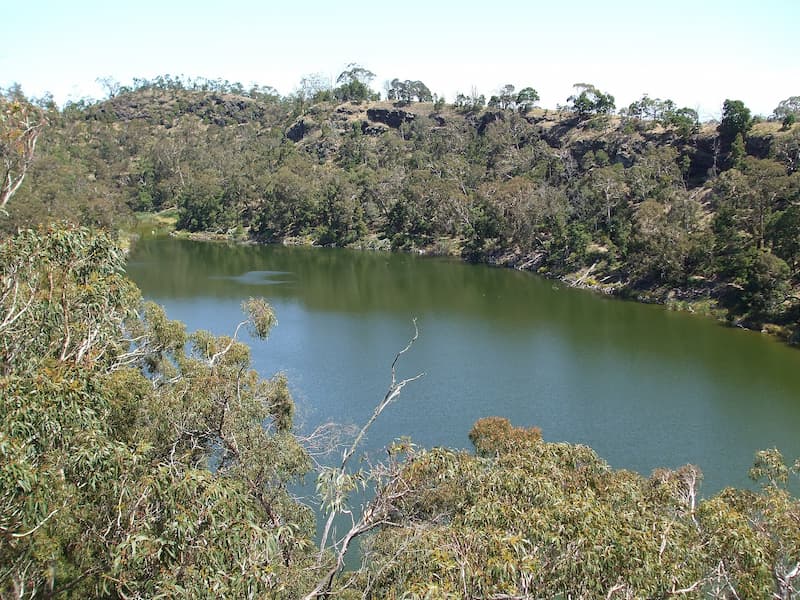
- Lava Features: The area is dotted with volcanic craters, lava tubes, and “scoria” cones, creating a rugged and unique terrain.
Attraction
Budj Bim attracts international visitors for its “deep time” history and unique eco-tourism:
- Ancient Engineering: It is a marvel of Neolithic hydraulic engineering that predates the Egyptian Pyramids and Stonehenge.
- Cultural Immersion: Visitors can take guided tours with Gunditjmara rangers to learn about the “Dreamtime” stories of the volcano’s eruption and the sophisticated eel-smoking techniques still honored today.
- Wildlife: The Manna Gum woodlands are a haven for koalas, kangaroos, and rare bird species.

Heritage
Inscribed in 2019, Budj Bim is the first Australian site to be listed solely for its Aboriginal cultural values.
- Criterion (iii): It bears exceptional testimony to the cultural traditions and ingenuity of the Gunditjmara people.
- Criterion (v): It is an outstanding example of human interaction with the environment, specifically through the large-scale manipulation of water and volcanic rock for sustainable food production over six millennia.
Gateway
While situated in a remote part of Victoria, the site is accessible via several regional hubs:
- Mount Gambier (South Australia): The most convenient commercial gateway. Mount Gambier Airport (MGB) offers regular flights from Adelaide and Melbourne. It has extensive lodging, from boutique hotels to the unique The Barn Accommodation.
- Portland (Victoria): A closer coastal town (45 minutes away). While its airport primarily serves charter flights, it offers significant lodging and serves as a great base for exploring the “Shipwreck Coast.”
- Warrnambool: A larger regional city about 1 hour and 15 minutes away, providing the most diverse overnight stay options.
When
- Spring (September–November): Ideally, visit when the wetlands are full and the wildflowers are in bloom. The weather is cool (14°C to 22°C), perfect for walking the rocky trails.
- Summer (December–February): Best for seeing the kooyang (eels) and butterflies, though midday heat can be intense.
- Autumn (March–May): Offers crisp mornings and the best light for photography of the lava flows.

Consideration
- Guided Tours are Essential: Much of the engineering is subtle or located on private Indigenous Protected Areas (IPAs). You cannot see the most significant eel traps without a Gunditjmara-led tour.
- Total Fire Bans: In summer, sites may close on days of extreme fire danger for safety.
- Footwear: The volcanic terrain is extremely uneven and sharp. Ankle-supporting hiking boots are a must.
- Connectivity: Mobile reception is spotty. Download offline maps and booking confirmations before leaving the gateway cities.

Resources
- Budj Bim Cultural Landscape (Official): The primary portal for booking Gunditjmara-led tours and visiting the Tae Rak Aquaculture Centre.
- UNESCO – Budj Bim: The official World Heritage documentation and technical maps.
- Parks Victoria – Budj Bim National Park: Information on camping, hiking trails, and the Lake Surprise crater.
- Visit Victoria – Regional Spotlight: Travel logistics and nearby Great Ocean Road attractions.
- Headout – Budj Bim Tours: A convenient platform to book combined full-day cultural tours and lunch packages.
Featured Image
Lake Surprise (Dxh1, Wikimedia/CC0 1.0).
In The News
Advertisement


Comment:
 All About World Heritage Sites (...and more)
Leave a comment