The Canadian Rocky Mountain Parks is a vast, interconnected network of protected wilderness that straddles the Continental Divide between Alberta and British Columbia. It is arguably North America’s most iconic mountain landscape, where nature is expressed on a truly colossal scale.
The site is a massive 2.3-million-hectare property composed of seven contiguous parks: four National Parks (Banff, Jasper, Kootenay, and Yoho) and three British Columbia Provincial Parks (Mount Robson, Mount Assiniboine, and Hamber). This rugged alpine environment is characterized by soaring granite peaks, massive icefields (including the famous Columbia Icefield), and turquoise glacial lakes like Lake Louise and Moraine Lake. Beneath the surface, the parks house extensive karst cave systems and thermal springs that have drawn visitors for over a century.
Attraction
The Canadian Rockies are a premier destination for “bucket list” nature experiences:
- The Icefields Parkway: Frequently cited as the most beautiful drive in the world, this 230 km highway winds past ancient glaciers and sheer rock faces.
- Iconic Lakes: The vivid, almost surreal turquoise color of the lakes—caused by light reflecting off “rock flour” (glacier-ground silt)—is a global visual icon.
- Wildlife Viewing: The parks are one of the best places in the world to see grizzly bears, black bears, elk, moose, bighorn sheep, and mountain goats in their natural habitat.
- Year-Round Adventure: From world-class skiing and ice-climbing in the winter to hiking, kayaking, and white-water rafting in the summer, the parks cater to every level of adventurer.

Heritage
The Canadian Rocky Mountain Parks were inscribed as a UNESCO World Heritage Site in 1984 (and expanded in 1990).
- Natural Beauty (Criterion vii): They exemplify exceptional natural beauty, from the waterfalls of Yoho to the dramatic peaks of Mount Robson.
- Earth’s History (Criterion viii): The site includes the Burgess Shale, one of the most significant fossil sites in the world. It contains the 500-million-year-old remains of soft-bodied marine animals from the “Cambrian Explosion,” providing a unique window into the early evolution of life.
- Glacial Processes: The parks are a classic representation of ongoing glacial processes, featuring icefields and valley glaciers that continue to shape the land.
Gateway
- Commercial Airport: Calgary International Airport (YYC) is the primary gateway, located approximately 140 km (1.5 to 2 hours) east of Banff.
- Lodging: Calgary is a major metropolis with thousands of hotel options. However, most travelers choose to stay overnight in the mountain towns of Banff, Canmore, or Jasper, which offer everything from the castle-like Fairmont Banff Springs to cozy alpine hostels.
When
- Summer (July to August): The most popular time. All hiking trails are open, and the glacial lakes have fully thawed into their famous turquoise color.
- Shoulder Season (September to early October): Ideal for smaller crowds and the stunning yellow “Larch season” as the trees change color.
- Winter (December to March): A wonderland for snow sports, frozen waterfalls, and the chance to see the Northern Lights.
- Note: Many high-altitude lakes, like Moraine Lake, remain frozen and inaccessible by car until late May or early June.

Consideration
- Park Passes: You must purchase a Parks Canada Discovery Pass to drive or stop in the National Parks. Fines for non-compliance are steep.
- Wildlife Safety: You are in bear country. Never feed wildlife, stay 100 meters away from bears/wolves, and carry bear spray if you plan on hiking.
- Booking Moraine Lake: Personal vehicles are no longer allowed at Moraine Lake. You must book a Parks Canada shuttle or a commercial tour months in advance.
- Weather Fluctuations: Even in July, temperatures can drop to near freezing at night or during a mountain storm. Pack layers and a waterproof shell.

Resources
- Parks Canada – National Parks: The official government source for trail conditions, safety alerts, and park pass purchases.
- UNESCO – Canadian Rocky Mountain Parks: Detailed background on the Burgess Shale and World Heritage criteria.
- Travel Alberta: Comprehensive guides for trip planning, from the Icefields Parkway to hidden gems in Kananaskis.
- Banff & Lake Louise Tourism: The local board’s guide for dining, lodging, and seasonal events.
- Expedia: A reliable platform for comparing rates for mountain lodges and car rentals from Calgary.
Featured Image
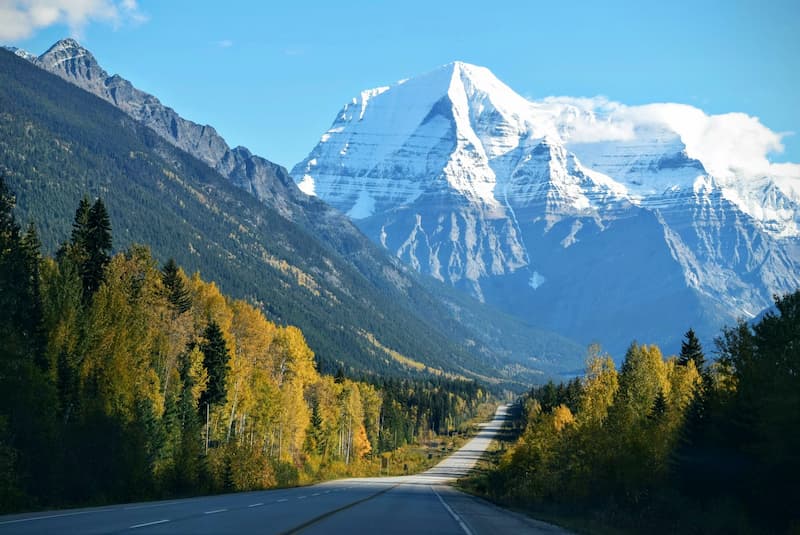
Mount Robson (Tim Gouw, Pexels/Free To Use).
In The News
Advertisement


Comment:
13 responses to “Canadian Rocky Mountain Parks”
-
These mountains are breathtaking…The cold ice crashes down tremendous cliffs to the very edge of deep, somber forests. No dust here—all is snow, ice, clean black rock and mossy earth covered with thick vegetation—all cool and calm and very strong in the primal aspect. These are the great mountains we dream about.
LikeLike
-
Lake Louise and Banff are wonderful places to visit. I especially loved seeing the Bighorn mountain sheep everywhere. Have traveled all over Canada. Always enjoy the majestic scenery, the history, and of course our good neighbors, the Canadians! (Head north, eh?)
LikeLike
-
Banff is considered one of the finest hiking locations in the world. The spectacular unique beauty of the glacial lakes makes every step worthwhile. The unusual light green hue of the lake water seems to change several times each day as the sun rises and falls with occasional fog adding to the mysterious atmosphere.
Bears are mentioned in almost all information regarding Banff National Park. Many trails are closed to hiking groups of less than four people. Single hikers or smaller groups are encouraged to hike with others since bears are less likely to approach people in larger groups. Some trails are temporarily closed if the park rangers observe a bear regularly inhabiting a hiking area. We did see a black bear but, luckily, it was not while we were hiking on a trail. The bear crossed the street between our cars as we drove from Moraine Lake. We were kindly admonished by the ranger to “keep moving please” as we snapped photos.
The logistics of parking near many of the trail heads requires an early starting time. Banff, the third oldest national park in the world, is popular due to the accessibility of the major sites within the park. Lake Louise, Moraine Lake, the Bow River, and Lake Minnewanka can all be visited and enjoyed by car thus parking is an issue.
LikeLike
-
When you pull into the train station in Banff, you’re just steps from plenty of great shopping, outdoor activities and natural beauty. Surrounded by Banff National Park, Canada’s first National Park, there are plenty of easily accessible hiking trails and river experiences. Take the Banff Gondola to the summit of Sulphur Mountain for unforgettable views of the town and the surrounding six mountain ranges. Wander into the charming boutiques, adventure outfitters and restaurants along Banff Avenue and snap a photo of the dramatic Cascade Mountain, which appears to rise directly up out of downtown. Get your blood flowing with an easy 1.86-mile hike to see the Hoodoos, spooky-looking rock formations with arresting views.
LikeLike
-
There is so much to see, like some of the most turquoise water you’ll ever see at Lake Louise, which is a glacier-fed lake.
LikeLike
-
I see the beautiful, bright turquoise blue lakes of the park, fed by rushing streams and rivers which are in turn fed by glacial melt water. Banff national park is a real jewel in the crown of Canada and I highly recommend a visit!
LikeLike
-
Banff National Park hiking is pretty special. There are trails to suit your energy levels, whether it be multi-day backcountry backpacking trips or gentler, more easily accessible Banff camping. Banff’s glowing-turquoise lakes and tumbling rivers will capture your heart. They did mine… and I’m always keen to return. A great place to start out learning about Rocky Mountain wildlife is by visiting the amazing, heritage collection of taxidermy wildlife at Banff Park Museum National Historic Site of Canada in the Village of Banff. Here you can examine a grizzly “up close and personal,” check out identification books in the library or watch videos in its Discovery Room.
LikeLike
-
We spent every day of our stay meandering in beautiful serendipity. Stunning Lake Louise and baby blue Peyto Lake are a good hour’s drive north from Banff, and the Icefields Parkway, where you can walk directly up to limitless tons of pristine glacial ice, is a lot farther away. But we motored there along the jagged spine of the Canadian Rockies, seeing imposing mountain vistas that rewarded us tenfold. It was so scenic and filled with caribou that I would have been happy if we had crossed the route by dog sled.
LikeLike
-
Icefields Parkway is one of the best places to experience the Canadian Rockies along a highway. The Icefields Parkway stretches 232 kilometers and connects Banff and Jasper National Parks. It is one of the world’s most spectacular driving tours, as people can’t help but pull over frequently and explore the many pristine lakes, glaciers, wildlife sightings, and valleys along the way. Recommended stops include Peyto Lake and Athabasca Falls.
LikeLike
-
I took the Icefield Parkway trip once in April and the weather was miserable. But yet, it was glorious scenery all the way. I ponder how great it would be under more ideal condition.
LikeLike
-
Banff’s more involved mountain trails boast clear alpine lakes, wildflowers, and unobstructed views of the Canadian Rockies—plus they tend to attract fewer tourists. “In-the-know” hikers hit the trail to Lake Agnes, where a walk through an old-growth forest culminates at a historic teahouse perched on the lake’s shores. A trail known as “Big Beehive” leads hikers past the lake and up a series of switchbacks toward unmatched views of the Bow Valley and Lake Louise.
LikeLike
-
I did a 10 day trip to Canadian Rockies last September, and it’s up there with one of the best vacations I’ve ever gone on. I would highly recommend to anyone. We did a couple big hikes but there also scenic options for people of all abilities. I highly recommend Yoho National Park. The sights were stunning and much less crowded than Banff and Jasper.
LikeLike
-
A great thing to do in Jasper in the winter is to check out Athabasca Falls. Located about 20 miles south of Jasper town – with a drop of about 75 feet – Athabasca Falls isn’t a giant by waterfall standards, but that doesn’t mean it isn’t dramatic and majestic in its own right.
LikeLike

 All About World Heritage Sites (...and more)

Leave a comment