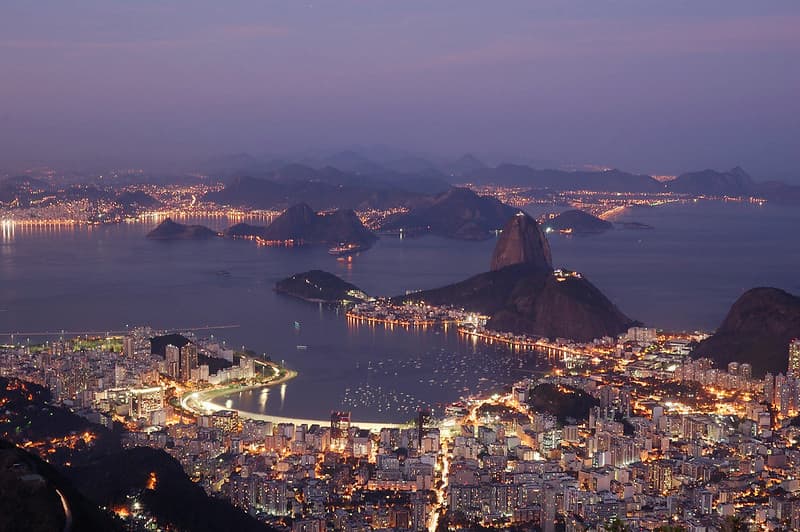
The Rio de Janeiro: Carioca Landscapes between the Mountain and the Sea is a UNESCO World Heritage site that celebrates the extraordinary fusion of a major metropolitan area with a dramatic, rugged natural environment. Unlike many sites that focus on a single building, this “cultural landscape” encompasses the entire geographical setting that has shaped the city’s identity.
The site is a serial nomination that includes the key natural and structural elements that define Rio de Janeiro. It stretches from the highest peaks of the Tijuca National Park mountains down to the Atlantic coast. Key components include the Botanical Gardens (founded in 1808), Corcovado Mountain with its iconic Christ the Redeemer statue, and the granite monolith of Sugarloaf Mountain (Pão de Açúcar). It also encompasses the extensive designed landscapes along Copacabana Bay, including the famous mosaic sidewalks designed by Roberto Burle Marx, and the historic fortifications that guard Guanabara Bay.
Attraction
Rio is a magnet for international travelers due to its unique “outdoor living” culture and breathtaking vistas.
- Iconic Landmarks: The statue of Christ the Redeemer is one of the New Seven Wonders of the World, offering 360-degree views of the city.
- The Beach Culture: Copacabana and Ipanema are not just beaches; they are social hubs where the city’s vibrant energy—from samba to beach volleyball—is most palpable.
- Urban Nature: Tijuca National Park is one of the world’s largest urban forests, allowing tourists to hike through tropical rainforests and discover waterfalls just minutes from the city center.
- Festivals: Rio is home to the world’s largest Carnival, a spectacular display of music, dance, and Carioca creativity.

Heritage
Inscribed in 2012, the site met UNESCO’s criteria for its “Outstanding Universal Value” as a cultural landscape:
- Criterion (v): It represents a creative fusion between nature and culture. The city’s development was not a result of traditional processes but of innovative design and environmental ideas that integrated a massive urban population into a challenging mountainous terrain.
- Criterion (vi): The landscape has provided profound inspiration for art, literature, and music (such as Bossa Nova). The image of the bay, Sugarloaf, and the Christ statue has achieved global recognition as a symbol of staggering natural beauty.
Gateway
The city of Rio de Janeiro is its own gateway.
- Commercial Airport: The city is served by two main airports: Galeão International Airport (GIG) for international arrivals and Santos Dumont Airport (SDU) for domestic flights, the latter being located right in the heart of the city with spectacular views of the site upon landing.
- Lodging: Rio offers a world-class hospitality infrastructure. Travelers can stay in legendary palace hotels like the Belmond Copacabana Palace, boutique guesthouses in the hilltop neighborhood of Santa Teresa, or modern high-rises in Barra da Tijuca.
When
- Best Weather (May to October): This is the dry season. Temperatures are mild (20°C to 26°C), humidity is lower, and the skies are often clear—perfect for hiking and visiting viewpoints like Sugarloaf.
- Carnival & Summer (December to March): This is the peak season. While the energy is unmatched, it is also the hottest time of year (30°C and high humidity) and the most expensive.
- Shoulder Season (April and September): These months offer a great balance of pleasant weather and fewer crowds.

Consideration
- Safety: While Rio is a major tourist hub, it has areas of significant social inequality. Stick to well-traveled tourist areas, avoid showing expensive jewelry or electronics in public, and use official ride-sharing apps at night.
- Altitude and Sun: Even on cloudy days, the tropical sun is intense. Use high-SPF sunscreen.
- Advance Booking: Tickets for Christ the Redeemer (the cog train or van) and the Sugarloaf Cable Car should be booked online in advance to avoid long queues, especially during peak months.
- Acclimatization: If you plan on hiking the trails in Tijuca or to the top of Pedra da Gávea, ensure you are physically prepared for the humidity and steep terrain.

Resources
- UNESCO World Heritage Centre – Rio de Janeiro: The official source for the technical maps and the Statement of Outstanding Universal Value.
- Visit.Rio: The official tourism portal for the city, providing updated information on attractions and events.
- Tijuca National Park Official Site: Essential for checking trail maps, opening hours, and safety guidelines for the forest sectors.
- Rio de Janeiro – Visit Brasil: The national tourism board’s guide to the city’s culture and heritage.
- GetYourGuide – Rio de Janeiro Tours: A popular platform for booking guided tours to Christ the Redeemer, Sugarloaf, and favela walking tours.
Featured Image
Rio de Janeiro at night (Rosino, Flickr/CC BY-SA 2.0).
In The News
Advertisement

Comment:
 All About World Heritage Sites (...and more)


Leave a comment