The Antequera Dolmens Site, located in the heart of Andalusia, Spain, is one of the most remarkable archaeological and ceremonial landscapes in Europe. Inscribed as a UNESCO World Heritage site in 2016, it represents a unique fusion of colossal megalithic architecture and dramatic natural monuments.
The site is a “serial property” consisting of three megalithic monuments and two natural mountain landmarks:
- The Menga and Viera Dolmens: These are classic “portal” tombs built during the Neolithic period (3500–3000 BCE). Menga is famous for its sheer scale and internal stone pillars, while Viera is a smaller, precisely aligned corridor tomb.
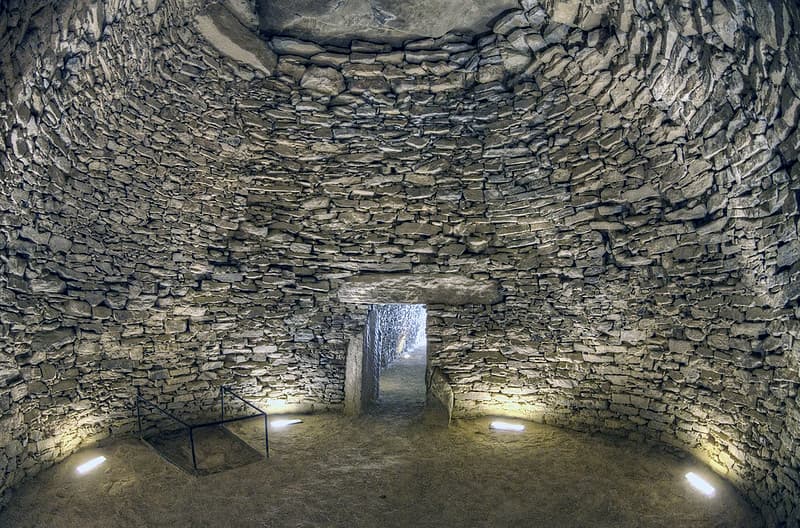
- Tholos of El Romeral: Built later (1800 BCE), this “beehive” tomb features a false cupola (dome) ceiling and reflects a shift toward more complex architectural techniques.
- Natural Landmarks: The site includes La Peña de los Enamorados (a mountain resembling a sleeping giant’s face) and El Torcal, an otherworldly karst limestone landscape.
Attraction
Travelers are drawn to Antequera for its monumental engineering and archaeoastronomy:
- The Giant Slabs: The capstone of the Menga Dolmen weighs approximately 180 tons. How prehistoric people transported and placed these stones remains a source of global fascination.
- Landscape Monumentalization: Unlike most European dolmens that align with the sunrise, Menga is uniquely oriented toward the Peña de los Enamorados mountain, reflecting a profound spiritual connection between man-made structures and the earth.
- El Torcal Hiking: Just south of the dolmens, tourists can hike through limestone “sculptures” that look like stacks of pancakes, created by 150 million years of erosion.

Heritage
The site was inscribed in 2016 under Criteria (i), (iii), and (iv):
- Criterion (i): It represents a masterpiece of human creative genius through its unprecedented use of internal pillars (Menga) and the sheer weight of the stones handled.
- Criterion (iii): It provides exceptional insight into the funerary and ritual practices of prehistoric societies in the Iberian Peninsula.
- Criterion (iv): It is an outstanding example of a megalithic ensemble illustrating a significant stage in human history—the birth of monumental ceremonial architecture.
Gateway
- The City: Málaga is the primary gateway, located just 45 km (40 minutes) south of Antequera.
- Airport: Málaga–Costa del Sol Airport (AGP) is a major international hub with flights across Europe and beyond.
- Lodging: While many stay in Málaga, for an immersive experience, stay at the Parador de Antequera, which offers views of the Peña de los Enamorados.
- Transit: High-speed AVE trains run from Málaga to the Antequera-Santa Ana station in just 25 minutes.
When
- Spring (March to May): Ideal for clear skies and comfortable temperatures (18–24°C). This is also when the Spring Equinox illuminates the interior of the Viera Dolmen.
- Autumn (September to October): Pleasant weather for exploring both the dolmens and the hiking trails of El Torcal.
- Summer Solstice (June 21): A popular time to witness the sun rising over the Peña mountain and shining directly into the Menga Dolmen.

(Sergey Ashmarin, Wikimedia/CC BY-SA 3.0).
Consideration
- Free Admission: Entrance to the Dolmens is currently free for all visitors (both EU and non-EU), but you must obtain a ticket at the modern Visitor Center on-site.
- The “Third Dolmen” Logistics: Menga and Viera are together, but El Romeral is located about 4 km away in an industrial area. You will likely need a car or a taxi to reach it.
- Footwear: If you plan to visit El Torcal (which you should!), wear sturdy hiking shoes. The limestone can be slippery even when dry.
- Closed Days: The monuments are typically closed on Mondays and major holidays (Dec 25, Jan 1).

Resources
- UNESCO World Heritage – Antequera: The official dossier and detailed maps of the site.
- Andalusia Tourism – The Dolmens: Official regional guide with updated opening hours.
- Museos de Andalucía: The local government site for the Archaeological Ensemble of Antequera.
- Antequera Town Council (Turismo): A great resource for exploring the city’s other 30+ churches and the Alcazaba fortress.
- Booking.com – Spain Accommodations: For booking the Parador or boutique hotels in the old town.
Featured Image
Tholos of El Romeral (Angel M Felicisimo, Flickr/CC BY 2.0).
In The News
Advertisement

Advertisements
Advertisements
Advertisements
Advertisements
Comment:
Advertisements
 All About World Heritage Sites (...and more)

Leave a comment