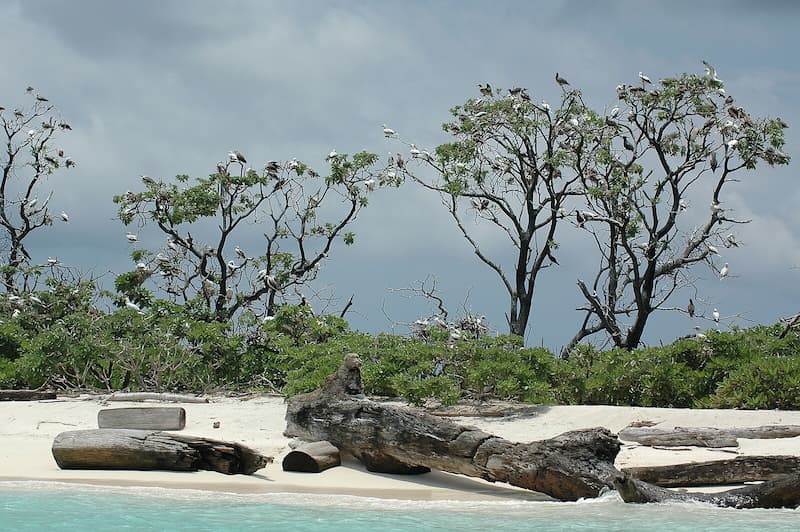
The Tubbataha Reefs Natural Park is a protected marine sanctuary in the heart of the Sulu Sea, Philippines. It is a crown jewel of global marine conservation, representing one of the last remaining examples of a pristine coral atoll system.
The park encompasses nearly 100,000 hectares of high-quality marine habitat. It consists of two massive coral atolls—the North and South Atolls—and the smaller Jessie Beazley Reef. Because of its remote location, far from any permanent human settlement, the park remains an exceptionally healthy ecosystem. It features vertical walls that drop over 100 meters into the deep sea, extensive lagoons, and two small uninhabited coral islands that serve as vital nesting grounds for birds and sea turtles.
Attraction
Tubbataha is a “bucket list” destination for scuba divers and underwater photographers.
- Epic Marine Life: It is famous for its density of “mega-fauna.” Divers frequently encounter whale sharks, manta rays, hammerheads, and massive schools of barracuda and jacks.
- Coral Density: The park hosts 360 species of coral—about 80% of all coral species found in the Philippines—creating a kaleidoscopic underwater landscape.
- The Liveaboard Experience: Since there are no hotels on the reefs, the only way to visit is via liveaboard dive boats. This multi-day journey creates an immersive, community-focused adventure that appeals to serious explorers.

Heritage
Inscribed as a UNESCO World Heritage Site in 1993, Tubbataha is recognized for its “Outstanding Universal Value”:
- Criterion (vii): It contains superlative natural phenomena and areas of exceptional natural beauty, characterized by its pristine reefs and spectacular perpendicular walls.
- Criterion (ix): It serves as a natural laboratory for studying coral reef formation and is a “seed bank” for the rest of the Sulu Sea, providing larvae to support fisheries across the region.
- Criterion (x): It protects internationally threatened species, including the critically endangered Hawksbill sea turtle and the Christmas Island Frigatebird.
Gateway
Puerto Princesa City, the capital of Palawan province, is the mandatory gateway.
- Commercial Airport: Puerto Princesa International Airport (PPS) handles frequent flights from Manila, Cebu, and other domestic hubs.
- Lodging: The city has extensive options, from high-end resorts like Princesa Garden Island Resort to boutique stays like Hotel Centro. Most travelers arrive a day early to stay overnight before embarking on their boat.
- Access: All dive vessels depart from the Puerto Princesa pier. The journey to the reefs takes about 10 to 12 hours by sea, usually traveling overnight.
When
The park is only accessible during a very narrow three-month window (mid-March to mid-June).
- Weather: During this time, the “Amihan” (northeast monsoon) has subsided, resulting in “glass-flat” seas and clear skies.
- Visibility: Underwater visibility is at its peak, often exceeding 30–40 meters.
- Closure: The park is strictly closed to tourists for the remaining nine months of the year due to rough seas and the need for ecological recovery.

Consideration
- Advanced Booking: Because the season is so short, liveaboards often sell out one to two years in advance.
- Experience Level: Due to strong currents and deep wall dives, most operators require divers to have at least an Advanced Open Water certification and a minimum of 30–50 logged dives.
- Strict Environmental Rules: Single-use plastics are strictly banned. Divers must use “reef-safe” sunscreen and are forbidden from touching the coral or marine life.
- Health: There are no medical facilities at the reef. Ensure you have specialized dive insurance (like DAN) and bring seasickness medication for the long crossing.

Resources
- Tubbataha Reefs Official Website: The primary source for park regulations, conservation news, and official permits.
- UNESCO World Heritage Centre – Tubbataha: For detailed scientific data and the official heritage map.
- Dive Happy – Tubbataha Guide: A practical, independent guide for divers planning their first trip.
- Liveaboard.com – Tubbataha Vessels: A leading platform to compare different dive boats and check real-time availability.
- Guide to the Philippines – Tubbataha: A comprehensive travel portal covering logistics, history, and local tips.
Featured Image
Tubbataha Reefs Natural Park (Ron Van Oers, Wikipedia/CC BY-SA 3.0 IGO).
In The News
Advertisement

Comment
One response to “Tubbataha Reefs Natural Park”
-
There’s truly something for everyone at Tubbataha Reef from shallow waters to the deep sea. Beginners to advanced divers are all welcomed.
LikeLike

 All About World Heritage Sites (...and more)

Leave a comment