The following are the heritage sites, grouped into recommended gateway cities. This may help in planning on the logistics (travel and accommodation) of your journey.
CHENGDU (CTU/TFU)
Known as the “Land of Abundance,” Chengdu is a vibrant metropolis where ancient Taoist traditions meet a world-class culinary scene. It is the spiritual home of the Giant Panda, with the renowned Chengdu Research Base offering a sanctuary for these global icons. As Asia’s first UNESCO City of Gastronomy, Chengdu is the cradle of spicy Sichuan cuisine, famous for its numbing peppercorns and lively teahouse culture. Beyond the city, travelers can explore the ancient Dujiangyan Irrigation System or the serene peaks of Mount Qingcheng, both UNESCO World Heritage sites. From the rhythmic art of Sichuan Opera to its laid-back urban parks, Chengdu is a masterpiece of leisure and heritage.
DATONG (DAT)
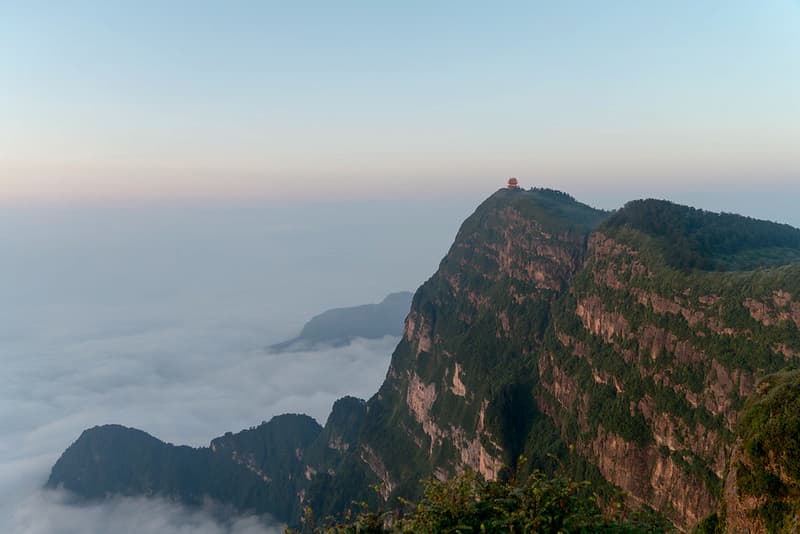
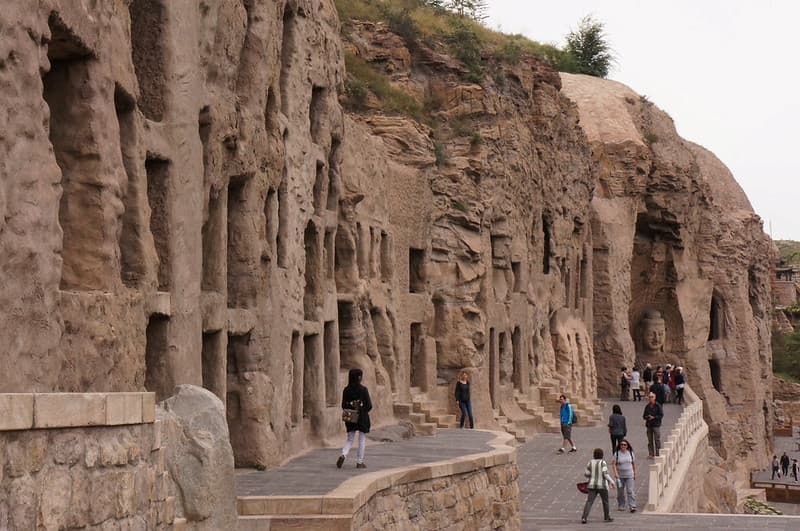
A historic powerhouse in northern Shanxi, Datong is a city of dramatic transformations, evolving from a Northern Wei capital to China’s “Coal Capital” and now a premier cultural hub. Its crown jewel is the UNESCO-listed Yungang Grottoes, where over 51,000 Buddhist statues are carved into sandstone cliffs. Nearby, the gravity-defying Hanging Temple clings to the precipice of Mount Heng, uniquely honoring Buddhism, Taoism, and Confucianism. Within the city, travelers can explore the vibrant Nine-Dragon Wall, the Liao-dynasty Huayan Temple, and the massive, reconstructed Ancient City Walls that offer breathtaking sunset vistas.
DUNHUANG (DNH)
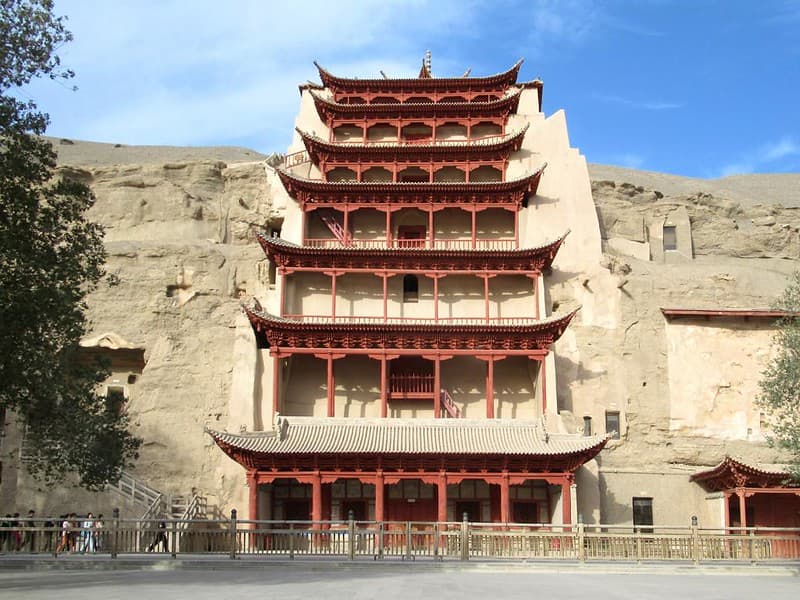
Dunhuang, an ancient Silk Road oasis in Gansu Province, is where the Gobi Desert’s golden sands meet unparalleled Buddhist history. It remains a vital pilgrimage for those seeking the Mogao Caves, a UNESCO-listed treasure trove of thousand-year-old murals and sculptures. Just outside the city, the “singing” dunes of Mingsha Shan embrace the miraculous, crescent-shaped Crescent Lake. Visitors can ride camels across the desert at sunset or explore the bustling Shazhou Night Market. From tasting legendary yellow noodles with donkey meat to witnessing the “Flying Apsaras” come to life in modern theater, Dunhuang captures the enduring romance of the Silk Road.
HANGZHOU (HGH)
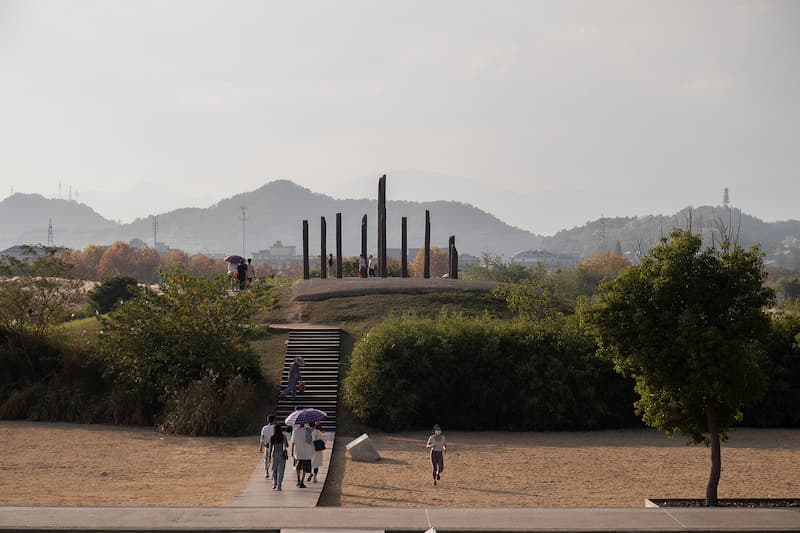
Hangzhou, the capital of Zhejiang Province, is a masterpiece of natural beauty and imperial history, famously described by Marco Polo as “Heaven on Earth.” Arriving at Hangzhou Xiaoshan International Airport, visitors are immediately drawn to the iconic West Lake, a UNESCO World Heritage site perfect for boat rides past ancient pagodas. The city seamlessly blends tradition with modernity, offering serene escapes at Lingyin Temple alongside bustling tea culture in the Longjing plantations. Visitors can savor local delicacies like Dongpo Pork and West Lake Fish before exploring the historic Grand Canal.
HUANGSHAN (TXN)
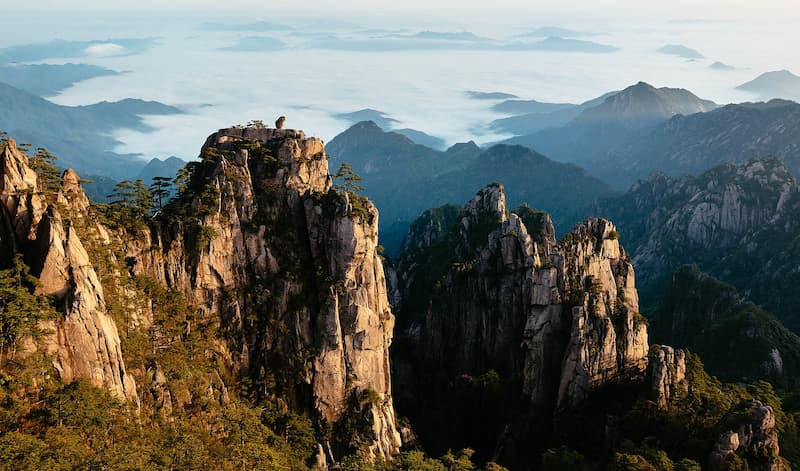
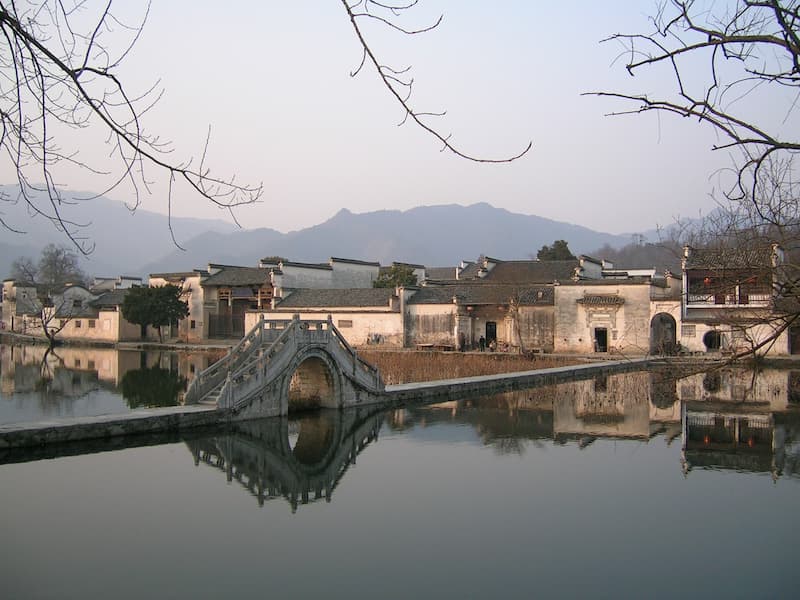
Huangshan City, formerly known as Tunxi, is the vibrant soul of Anhui Province and the essential base for exploring the legendary Yellow Mountain. The city is a masterpiece of Huizhou culture, where the thousand-year-old Tunxi Old Street showcases exquisite Ming and Qing dynasty architecture with its signature white walls and grey tiles. Beyond its role as a transit hub, Huangshan captivates foodies with its “stinky” mandarin fish and “hairy” tofu, while art lovers flock to the Hu Kaiwen Ink Factory. Seamlessly blending ancient mercantile heritage with misty mountain grandeur, it remains China’s ultimate gateway to ethereal landscapes.
SHANGHAI (PVG/SHA)
Shanghai, China’s pulsating “Pearl of the Orient,” is a breathtaking fusion of futuristic ambition and colonial heritage. The iconic Bund promenade showcases grand neoclassical architecture, directly facing the sci-fi skyline of Lujiazui, home to the soaring Shanghai Tower. Visitors can experience the adrenaline of the Formula 1 Chinese Grand Prix, the cultural depth of the Shanghai International Film Festival, or the classical charm of Yu Garden. From high-speed Maglev trains to the hidden boutiques of the French Concession, Shanghai offers an unparalleled urban adventure where traditional tea houses meet the world’s most advanced metropolitan living.
SHAOGUAN (HSC)
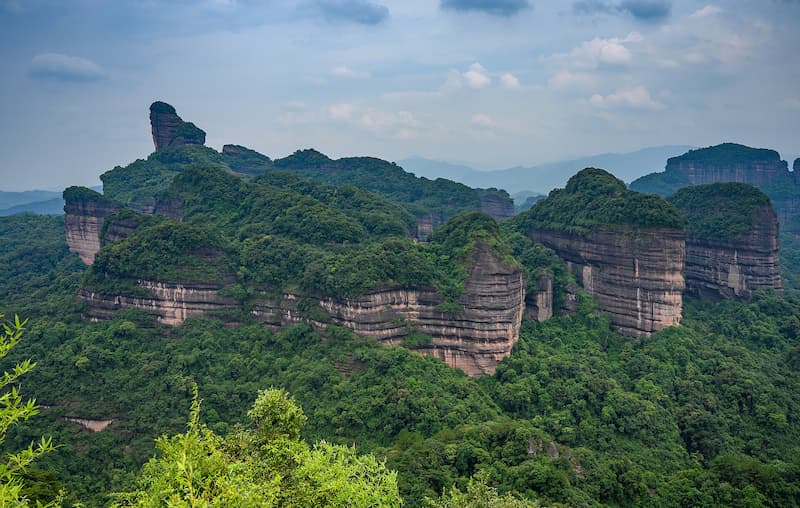
Known as the “Northern Gateway of Guangdong,” Shaoguan is a historic crossroads where stunning geological wonders meet deep spiritual heritage. The city is world-renowned for Mount Danxia, a UNESCO World Heritage site featuring dramatic red sandstone cliffs and the iconic, phallic-shaped Yangyuan Stone. Spirtually, it is anchored by the 1,500-year-old Nanhua Temple, the birthplace of the Southern School of Zen Buddhism and home to the mummified body of the Sixth Patriarch, Huineng. Travelers can also explore the dizzying heights of the Guangdong Grand Canyon or wander the ancient, cobblestoned lanes of Zhuji Ancient Alley, a vital ancestral site for the Cantonese diaspora.
SHIYAN (WDS)
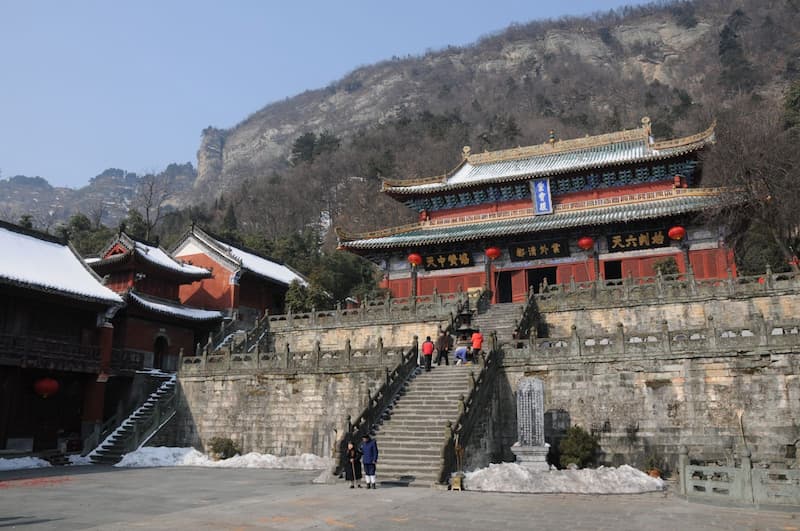
Shiyan is a unique hybrid of “Motor City” and “Taoist Gateway.” Known as the birthplace of China’s heavy truck industry, it has evolved into a green, mountain-hugged city. Visitors often spend a day at the Wudang Museum to understand the mountain’s history before ascending. The city’s culinary scene is a highlight, featuring Hubei “hot-dry noodles” and medicinal Taoist vegetarian cuisine. With the recent high-speed rail expansion, Shiyan is now a seamless stop between the ancient capital of Xi’an and the megacity of Wuhan.
TAIYUAN (TYN)
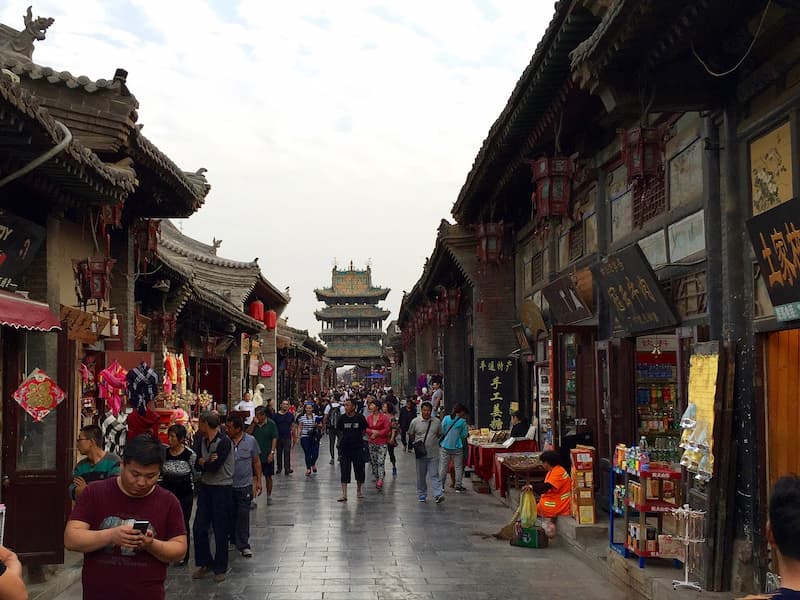
Taiyuan, the 2,500-year-old capital of Shanxi Province, serves as a grand portal to Northern China’s imperial past. It thrives as a sophisticated industrial and cultural hub, highlighted by the Metro Line 1 connecting the historic center to the high-speed rail network. Visitors are drawn to the Jinci Temple, a masterpiece of ancient Chinese sacrificial gardening, and the iconic Twin Pagoda Temple, which offers a panoramic view of the evolving skyline. Renowned for its culinary obsession with aged vinegar and hand-cut noodles, Taiyuan provides an authentic, high-tech, yet deeply traditional starting point for any Shanxi adventure.
TONGHUA (TNH)
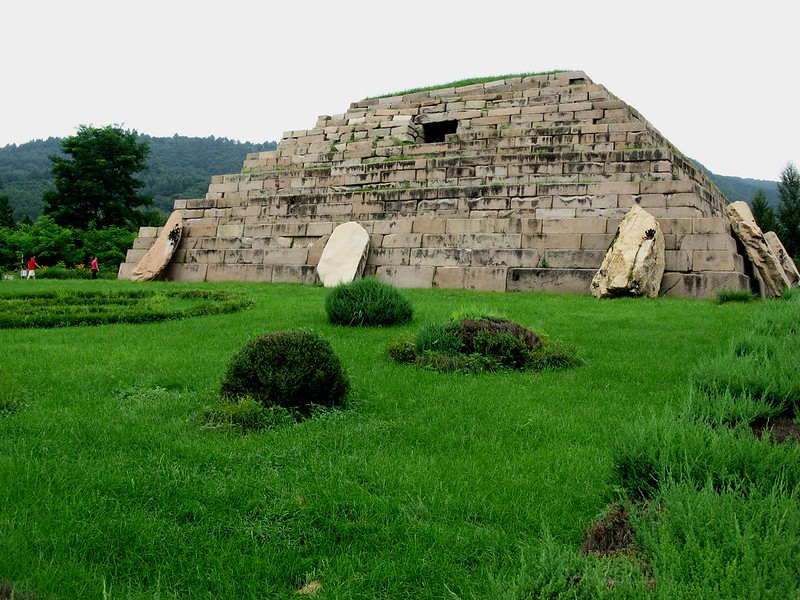
Nestled in the lush Changbai Mountains of Jilin Province, Tonghua is a unique border city celebrated as the “Bordeaux of the East.” Known for its deep-rooted mountain grape wine culture, it houses one of China’s oldest wineries and the world’s largest underground oak barrel cellar. As the historic birthplace of Chinese skiing, it offers premier winter sports at Jinchang Ski Resort. Beyond the slopes, visitors can explore the UNESCO-listed Koguryo tombs in nearby Ji’an—often called the “Oriental Pyramids”—or enjoy the volcanic wonders of Longwan National Forest Park, where crater lakes mirror the pristine sky.
TONGREN (TEN)
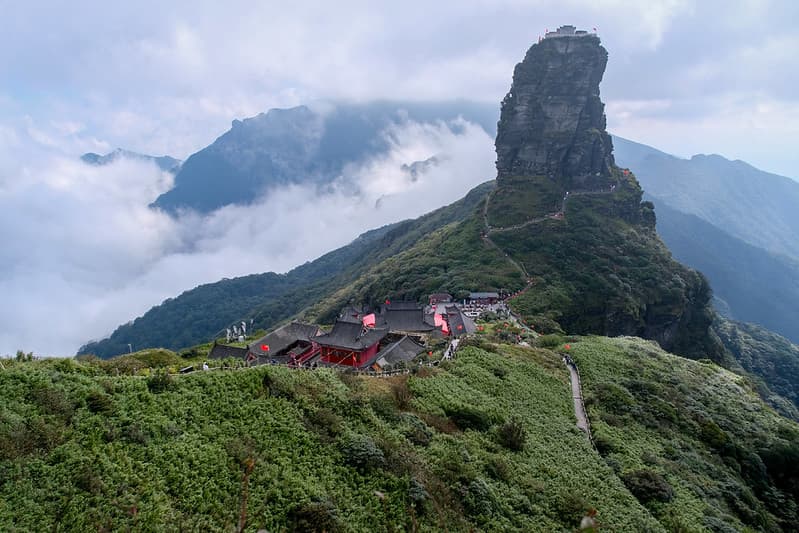
Located in the northeast of Guizhou Province, Tongren is a mystical destination where sacred Buddhist traditions meet dramatic karst landscapes. The city is the primary gateway to Mount Fanjingshan, a UNESCO World Heritage site famous for the “Red Clouds Golden Summit,” two temples perched precariously atop a narrow stone pillar. Beyond the peaks, visitors can explore the crystalline waters of the Tongren Grand Canyon or the ancient, mercury-mining heritage of Zhusha Ancient Town. Rich in ethnic diversity, Tongren also offers a window into Miao and Tujia cultures through vibrant festivals, traditional Nuo opera, and distinct, spicy local cuisine.
Featured Image
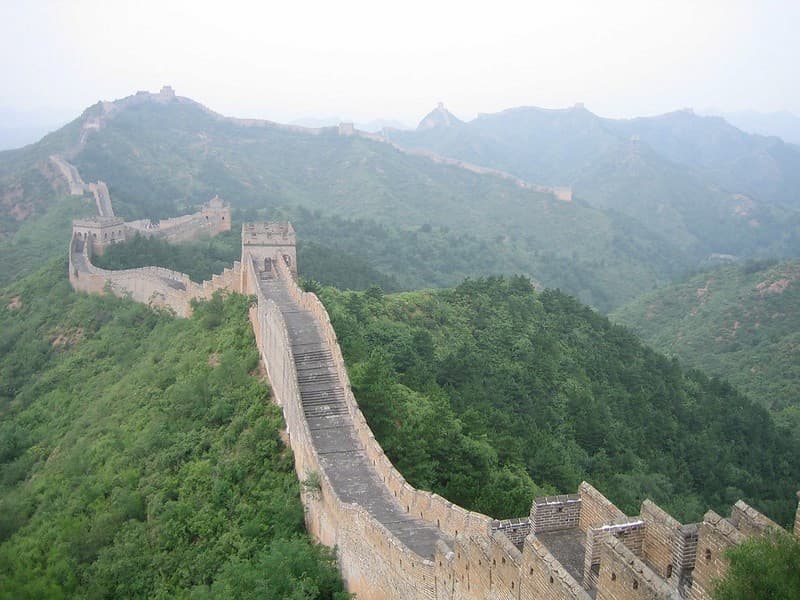
Great Wall of China (Romain Pontida, Flickr/CC BY-SA 2.0).
In The News
-
Why Yungang Grottoes Should Be on Your Travel List
-
Discover Wudang Mountain: China’s Spiritual Adventure
-
Breathtaking Rime Ice Scenery of Huangshan Mountain
-
Winter Wonderland at Mount Fanjing: UNESCO Heritage Site
-
Ancient Murals and Modern Technology: The Mogao Caves Case
-
Ancient Wisdom in China’s Living Masterpiece
-
Fall Escape: Four Seasons Suzhou Island Experience
-
Leshan’s Path to Global Tourism Success
-
8 Unique UNESCO World Heritage Sites to Explore
-
Liangzhu’s 5,000-Year History: Lessons in Cultural Appreciation
-
Pingyao Ancient City: A 2,800-Year Journey Through History
-
Koguryo Kingdom: A Journey Through Ancient Capitals and Tombs
Advertisement




Comments:
 All About World Heritage Sites (...and more)
Leave a comment