The following are the heritage sites, grouped into recommended gateway cities. This may help in planning on the logistics (travel and accommodation) of your journey.
ALULA (ULH)
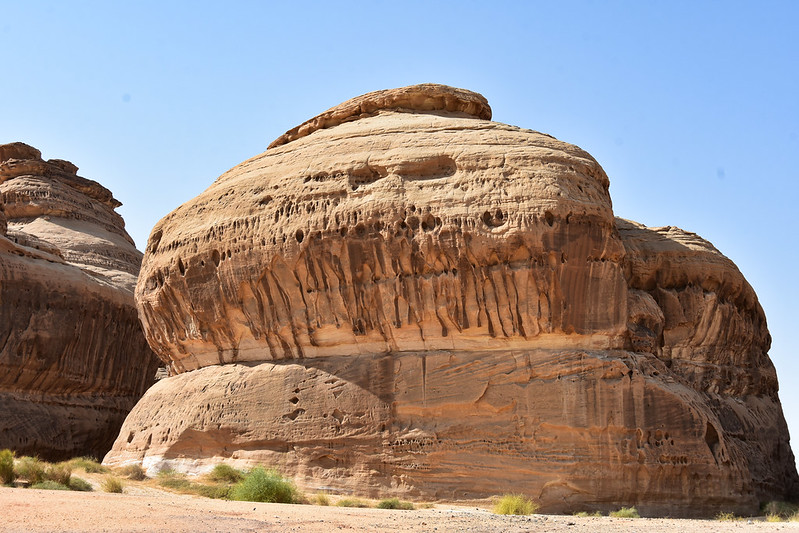
AlUla, an ancient oasis in Saudi Arabia’s Medina Province, is a living museum where millennia of history meet modern luxury. It serves as the gateway to Hegra, the Nabataean kingdom’s southern capital and the country’s first UNESCO World Heritage site. Visitors can explore the labyrinthine mud-brick AlUla Old Town, marvel at the colossal Elephant Rock, and witness the contemporary brilliance of Maraya, the world’s largest mirrored building. With its lush palm groves, dramatic sandstone canyons, and burgeoning arts scene, AlUla has transformed into a premier cultural destination, blending rugged desert adventure with sophisticated, eco-conscious hospitality.

DAMMAM (DMM)
Dammam, the dynamic capital of Saudi Arabia’s Eastern Province, serves as a vital coastal hub on the Arabian Gulf. It remains a premier destination for those seeking a blend of industrial power and seaside leisure. The city is anchored by the scenic Dammam Corniche, a lush waterfront promenade perfect for evening strolls, and the man-made Marjan Island, which offers panoramic gulf views. Culture enthusiasts frequent the Heritage Village for a deep dive into Saudi customs and cuisine, while the nearby crescent-shaped Half Moon Bay provides a sanctuary for divers and beachgoers.

HOFUF (HOF)
Al-Hofuf, the historic heart of the Al-Ahsa Oasis, is a captivating city where ancient trade routes meet lush greenery. It remains an essential stop for travelers exploring the world’s largest self-contained oasis. The city is defined by the magnificent Ibrahim Palace, an Ottoman-era fortress, and the labyrinthine Qaisariya Souq, famous for its hand-carved brass coffee pots and textiles. Visitors are drawn to the nearby Al-Qarah Mountain, where cool limestone caves provide a natural refuge from the desert heat. Surrounded by 2.5 million date palms, Hofuf offers an authentic, timeless glimpse into Saudi Arabia’s rich agricultural and commercial heritage.
NAJRAN (EAM)
Tucked away in the fertile southwestern corner of Saudi Arabia, Najran is a captivating blend of deep-rooted history and distinct tribal culture. The city is famous for its unique Najdi-style mud-brick architecture, best exemplified by the soaring, multi-story Al-Aan Palace overlooking the palm-filled Najran Valley. History buffs are drawn to the ancient Al-Ukhdud Archaeological Site, while the UNESCO-listed Hima Cultural Area offers a world-class outdoor gallery of thousands of years of rock art and inscriptions. From the vibrant energy of its traditional date markets to the verdant beauty of King Fahd Park, Najran remains a hidden gem of Arabian hospitality.

RIYADH (RUH)
Riyadh, Saudi Arabia’s high-octane capital, is a desert metropolis where ancient mud-brick roots meet shimmering glass spires. The city stands transformed by Vision 2030, boasting a seamless Riyadh Metro and the lush “Green Riyadh” parklands. Travelers can ascend the iconic Kingdom Centre Sky Bridge for panoramic vistas, explore the historic Masmak Fortress, or dive into the global spectacle of Boulevard World. From the Michelin-starred dining at Bujairi Terrace to the traditional scents of Souq Al Zel, Riyadh offers an electrifying, sophisticated blend of conservative Najdi heritage and unapologetic, ultra-modern ambition.

WADI AL DAWASER (WAE)
Strategically positioned where the Tuwayq Mountains meet the vast Rub’ al Khali (Empty Quarter), Wadi al Dawaser is a historic desert crossroads and a thriving agricultural oasis. The city’s heritage is anchored by the mud-brick King Abdulaziz Palace, a masterpiece of Najdi architecture. However, its most profound treasure is the nearby Al-Faw Archaeological Area, a newly inscribed UNESCO World Heritage site known as the “Atlantis of the Sands.” This ancient capital of the Kindah Kingdom reveals a rich pre-Islamic history of trade and art. From its legendary black camel beauty pageants to the nearby Uruq Bani Ma’arid wildlife sanctuary, the region offers a unique blend of archaeological mystery and raw desert beauty.


Comments:
Leave a Reply