Once the largest metropolis in the world and the “Gate of the Gods,” Babylon is an archaeological treasure that captures the imagination like few other places on Earth. Situated in the heart of Mesopotamia, it represents the cradle of urban civilization.
Located approximately 85 km south of Baghdad near the modern city of Hillah, Babylon is a sprawling complex of mud-brick ruins and reconstructions. The site as it stands today is primarily a reflection of the Neo-Babylonian Empire (626–539 BCE) under King Nebuchadnezzar II.
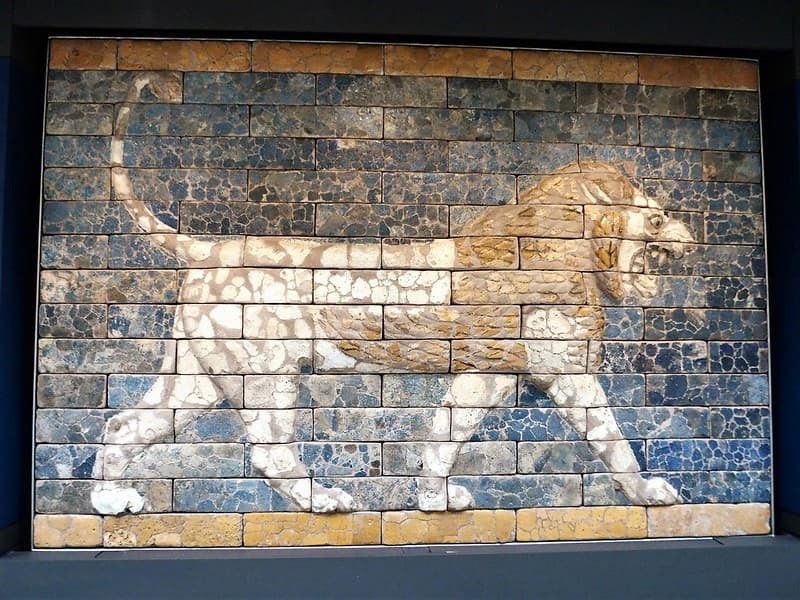
- The Ishtar Gate: While the original blue-glazed brick gate is in Berlin, a majestic full-scale reconstruction stands at the entrance, adorned with reliefs of dragons (Mushkhushshu) and bulls.
- The Processional Way: A long, brick-paved corridor once used for religious parades, flanked by walls that lead into the heart of the city.
- The Lion of Babylon: An ancient, basalt statue of a lion trampling a man, symbolizing the city’s power and a rare remnant from the earlier Babylonian periods.
- The Southern Palace: A maze of courtyards and throne rooms where Alexander the Great is said to have died in 323 BCE.
Attraction
Babylon is a site of “mythical reality.” It attracts visitors who wish to stand where history and legend converge:
- The Hanging Gardens: Although their exact location remains a mystery, the site’s association with this “Ancient Wonder” is a powerful draw.
- The Tower of Babel: The remains of the Etemenanki ziggurat provide a tangible link to the biblical story that has shaped global culture.
- Legal History: This was the seat of King Hammurabi, whose famous Code of Laws is one of the oldest deciphered writings of significant length in the world.
- Saddam’s Palace: A modern layer of history exists in the form of Saddam Hussein’s massive summer palace, perched on a man-made hill overlooking the ruins, offering a stark contrast between ancient and modern tyranny.

Heritage
Inscribed in 2019, Babylon is recognized for its unique contribution to human history under Criteria (iii) and (vi):
- Unique Testimony (iii): It is the most exceptional testimony to the Neo-Babylonian civilization, showcasing advanced urbanism and architectural creativity that influenced the entire Near East.
- Symbolic Association (vi): The city is directly associated with beliefs and stories of universal significance, figuring prominently in the sacred texts of the three Abrahamic faiths (Judaism, Christianity, and Islam).
Gateway
The vibrant and historic city of Baghdad serves as the primary gateway.
- Transport: Baghdad International Airport (BGW) is the main hub, with frequent flights from Istanbul, Dubai, and Doha. The drive to Babylon takes roughly 1.5 to 2 hours.
- Lodging: Baghdad has seen a significant hospitality boom. The Babylon Rotana (which mirrors the site’s architecture) and the Royal Tulip Al Rasheed offer high-end security and international standards. For a more central experience, the Coral Baghdad Hotel in the Jadriya district is a popular choice.
When
- Spring (March–April) and Autumn (October–November): These are the only seasons recommended for sightseeing. Temperatures are pleasant, ranging from 20°C to 30°C (68°F–86°F).
- The Babylon International Festival: Typically held in the spring (often April), this festival brings music, dance, and theater back to the ancient amphitheater, offering a rare chance to see the ruins come to life.
- Current Context: February and March are particularly beautiful as the surrounding date palm groves are lush and the desert heat has not yet reached its peak.

Consideration
- Visa on Arrival: Iraq has extended its visa-on-arrival policy for citizens of over 30 countries (including the US, UK, and EU) at major airports.
- Guided Tours: While you can visit independently, hiring a local licensed guide is highly recommended to navigate checkpoints and to interpret the complex layers of unexcavated ruins.
- Dress Code: Iraq is conservative. Men should avoid shorts, and women should wear loose-fitting clothing that covers arms and legs. A headscarf is not required in Babylon, but it is useful to have for nearby religious sites like Karbala or Najaf.
- Photography: Avoid taking photos of military personnel, checkpoints, or government buildings. Security at the entrance of Babylon is strict.

Resources
- UNESCO – Babylon: The official dossier on the site’s historical significance and preservation status.
- World Monuments Fund – Babylon: Information on the “Future of Babylon” project and ongoing conservation efforts.
- Visit Iraq Official: The government portal for travel requirements, including current visa information.
- Koryo Tours – Iraq Guide: A detailed logistical guide for travelers looking to join organized expeditions.
- Expedia: A reliable platform to book stays in Baghdad and find reputable local tour operators.
Featured Image
Brick wall panel of Babylon (Haluk Ermis, Flickr/CC BY 2.0).
In The News
Advertisement



Comments:
 All About World Heritage Sites (...and more)
Leave a comment