The Al-Ahsa Oasis, located in the Eastern Province of Saudi Arabia, is a lush emerald jewel set against the stark golden sands of the Arabian Peninsula. Inscribed on the UNESCO World Heritage list in 2018, it is officially the largest self-contained oasis in the world, boasting a complex ecosystem that has sustained human life for over 6,000 years.
Al-Ahsa is a “serial property” consisting of 12 distinct components that form an evolving cultural landscape. Rather than a single monument, it is a vast network of over 2.5 million date palm trees, ancient gardens, natural springs, and drainage lakes. The site features:
- Ancient Engineering: Sophisticated water management systems, including canals and traditional wells, that distribute spring water across the desert.
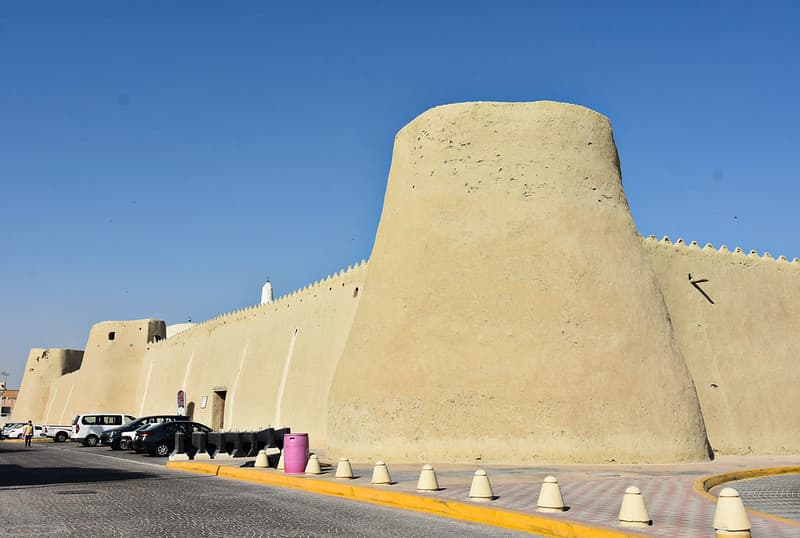
- Historic Architecture: The site includes the Jawatha Mosque (one of the oldest in the world), the Ottoman-era Ibrahim Palace, and the narrow, fragrant alleys of the Qaisariya Souq.
- Natural Wonders: The limestone Al-Qarah Mountain features wind-carved caves that stay naturally cool year-round.
Attraction
Travelers are drawn to Al-Ahsa for its incredible sensory contrast—the transition from the dry Empty Quarter to a “sea” of palm trees is breathtaking. It is a premier destination for eco-tourism and heritage seekers. Visitors can hike through the caves of Al-Qarah, go birdwatching at the massive Asfar Lake (Yellow Lake), or participate in the annual date harvest, tasting the region’s world-renowned “Khalasah” dates directly from the source.

Heritage
The site was recognized for its “Outstanding Universal Value” under three criteria:
- Criterion (iii): It bears unique testimony to the ancient sedentary human occupation in the Gulf region.
- Criterion (iv): It is an outstanding example of a technological ensemble (irrigation and urban fabric) that illustrates a significant stage in human history.
- Criterion (v): It represents a traditional human settlement that has successfully adapted to a vulnerable desert environment through sustainable water use.
Gateway
- The City: Al-Hofuf is the main urban hub of the Al-Ahsa region and serves as the primary gateway.
- Airport: Al-Ahsa International Airport (HOF) offers direct domestic and regional flights. Alternatively, many visitors fly into Dammam (DMM) and take a scenic 1.5-hour drive or train ride to Hofuf.
- Lodging: The city offers diverse options, from the luxury Al Ahsa InterContinental to the heritage-style Al Koot Heritage Hotel, which provides a traditional boutique experience.
When
- November to March: This is the peak season. Temperatures are mild (12^C to 25^C), making it perfect for exploring the outdoor gardens and mountains.
- September: A great time for those wanting to witness the date harvest, though the heat is still significant.

Consideration
- Transportation: The site components are scattered. It is highly recommended to rent a car or hire a private driver, as public transport within the oasis is limited.
- Dress Code: While Saudi Arabia has modernized, Al-Ahsa is a traditional region. Modest dress (shoulders and knees covered) is respected.
- Hydration: Even in winter, the desert air is dry. Carry water when hiking Al-Qarah or exploring the palm groves.
- Online Booking: Check if specific heritage sites like Ibrahim Palace require pre-booked tickets via the “Visit Saudi” app.

Resources
- UNESCO World Heritage – Al-Ahsa: The definitive source for history and maps.
- Visit Saudi – Al-Ahsa: The official tourism portal for itineraries and event calendars.
- Saudi Arabia Railways (SAR): For booking the high-speed train from Riyadh to Al-Hofuf.
- Al-Ahsa Municipality: Local updates on parks and public spaces.
- Viator: Use this to book guided day trips and professional drivers from Dammam or Riyadh.
Featured Image
Ibrahim Palace (Richard Mortel, Flickr/CC BY 2.0).
In The News
Advertisement



Comment:
One response to “Al-Ahsa Oasis, an Evolving Cultural Landscape”
-
The really spectacular attraction here is the ghostly cave complex inside al-Qarah Mountain. The natural caves, carved by wind and water erosion, take a bit of climbing to get into but are well worth the effort, especially as they are significantly cooler than the heat outside.
LikeLike

 All About World Heritage Sites


Leave a comment