
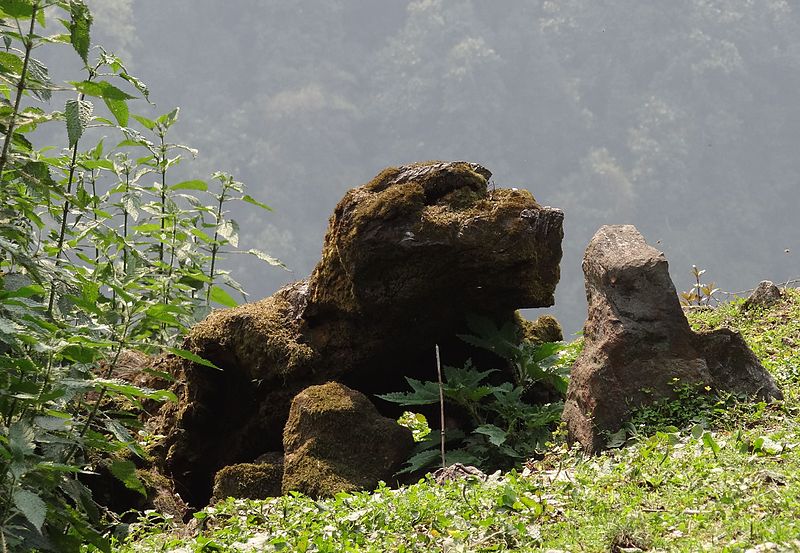
Located at the heart of the Himalayan range in northern India (State of Sikkim), the vast and totally breathtaking Khangchendzonga National Park includes an interesting mix of wildlife species and unique diversity of plains, plunging valleys, lakes, glaciers and dozens of spectacular, snow-capped mountains covered with ancient forests, including the world’s third highest peak, Mount Khangchendzonga (8,585 metres); and some unique flora and fauna. The park extends from cold deserts of Lhonak Valley and running along the international boundary between China and Nepal.
The park has 18 sub-forest types. It has a large diversity of species of higher plants, mammals and birds. It is also home to the red panda, snow leopard, great Tibetan sheep and musk deer. The birds include black-necked crane, grey peacock pheasant, Himalayan monal pheasant, Sikkim’s state bird blood pheasant, Tibetan snow cock and Himalayan snow cock.
What is also unique about its eco-system is that it has permanently snowcapped mountains, glaciers, waterfalls, high altitude lakes, grasslands, cold deserts and varied forest types. Consequently, the floral and fauna is also diverse and a delight for visitors. It has more than a dozen of lofty mountain peaks above 6,000 metres – 11 between 6,000 to 7,000 metres, eight between 7,000 to 8,000 metres and one above that.
Besides, the National Park is highly regarded by the local population because of several mythological stories that are associated with this mountain and with a great number of natural elements (caves, rivers, lakes, forest, etc.) that are the object of worship by the indigenous people of Sikkim. The sacred meanings of these stories and practices have been integrated with Buddhist beliefs and constitute the basis for Sikkimese identity. Sikkim is presented in Buddhism as a “hidden land” and as per scriptures, what now constitutes the park is the sanctum sanctorum, where religious masters have hidden religious texts and treatises marked for discovery in later times.
Officials explained that these hidden treasures, known as “ters”, are destined to be discovered by ter-tons, literally treasure revealers, from the sacred spots littered across the park. This has ensured that the sacred places are not defiled, thereby sustaining preservation.

Travelogue:
Khangchendzonga National Park – Official website
 All About World Heritage Sites


