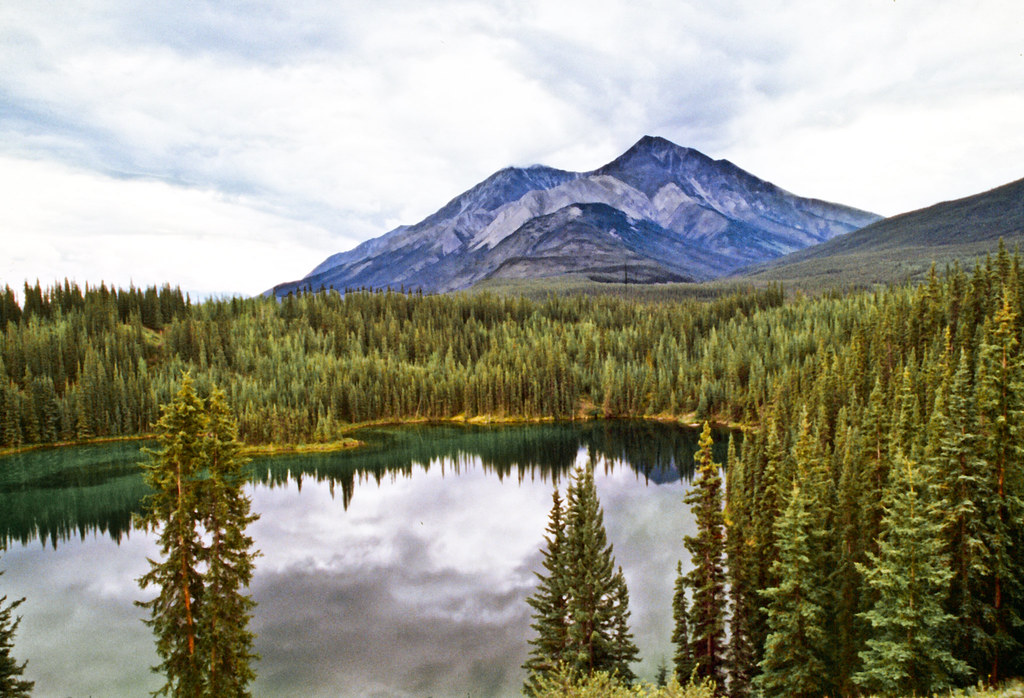
Photo by Matt Shalvatis (Flickr/CC BY-NC-SA 2.0).
Nahanni National Park, located in the Northwest Territories of Canada, is a UNESCO World Heritage Site renowned for its stunning natural beauty, unique geological formations, and diverse ecosystems. This vast wilderness area offers a truly unforgettable experience for visitors seeking adventure, tranquility, and a connection with the natural world.
One of the park’s most iconic features is the Nahanni River, a wild and scenic waterway that winds through the park. The river’s dramatic canyons, waterfalls, and rapids create a stunning landscape that is both awe-inspiring and challenging to navigate. The Virginia Falls, a massive waterfall that plunges over 96 meters (315 feet), is a particularly spectacular sight.
In addition to the Nahanni River, the park is home to a variety of other natural wonders. The Ramparts, a series of towering sandstone cliffs, offer breathtaking views of the surrounding landscape. The Headless Valley, a unique geological formation created by ancient glaciers, is a testament to the park’s geological history.
Nahanni National Park is also a haven for wildlife. The park supports a diverse range of species, including grizzly bears, black bears, wolves, caribou, and mountain goats. Birdwatchers will be delighted by the park’s abundance of feathered friends, including bald eagles, osprey, and various species of waterfowl.
The park’s cultural heritage is also significant. The Nahanni River has been used by Indigenous peoples for centuries as a transportation route and a source of sustenance. The park is home to several historic sites, including the abandoned mining town of Tungsten, which offers a glimpse into the region’s past.
Nahanni National Park is a testament to the power of nature and the importance of preserving wilderness areas. The park’s designation as a UNESCO World Heritage Site recognizes its exceptional value and the need to protect it for future generations. Visitors to Nahanni National Park can experience the beauty and grandeur of the Canadian wilderness and gain a deeper appreciation for the importance of conservation.
 All About World Heritage Sites